Latest Photos

Sunday, 7 June 2015

What is going on in South Africa...Emotionally?


Please check out my video's on my Youtube channel or like my Facebook Page for parenting support and information XX


In Brief, the situation is escalating:


I certainly don't claim to be a political expert here and I am far from all-knowing when it comes to the current economic, political and social climate that faces the country I have lived in for most of my life. We read all sorts of chilling reports of farmers being tortured and killed, xenophobic attacks, extreme poverty, family violence, homelessness, high crime rates, violence, HIV/AIDS, lack of services, an electricity crisis, a corrupt government, a corrupt justice system and the list sadly goes on and on. 

We start to blame. We want accountability. We need somewhere to place our growing fear, anger, powerlessness, disgust, sadness and pain. Many of us are in grief. Many of us carry layers of trauma. Many of us are suffering an unimaginable sense of loss. We cry for our beloved country and long for peace and stability. Some of us watch from afar, like myself, having fled from the trauma or threat of potential trauma in search of safety and a second chance. Others watch the chaos around them, finding the South African sense of humour to be wearing very thin. We all fight. We fight openly or on the inside, these battles that are full of frustration, angst and bitterness. We watch as our people suffer or create suffering. We start to turn on each other. The only question on my mind here is:

What is going on in SA...Emotionally?


We will all turn blue in the face trying to point fingers and fight for our own beliefs about change and what should be happening. This is not to say 'stop fighting for change'. I want to talk about change when it comes to people. I want to share my observations, experiences and knowledge with you all in a way that has no separateness. When it comes to emotions there is no room for race, class, gender or age. We ALL have them.Our reactions to emotions and the triggers for emotions may vary, but we ALL feel. No one is worse or better off when it comes to our feeling bodies. I feel this is the ONLY place to start. I am going to break down 5 of the 6 core emotions for you and give you my take on each of these in regards to the beautiful people of South Africa, past and present. This situation did not emerge from race, it is exacerbated by it. To heal one must look at the root cause and I believe this lies in the realm of emotions. Childhood trauma is fundamental in this...hear me out:

Fear:


I thought I would start with fear as this emotion is very prevalent currently and has been for as long as I can remember. Fear is an emotion that alerts us to perceived danger or harm. It's benefit is to warn us and keep us safe. Fear is very much associated with our sense of safety and stability in the world. This is not just our physical safety, which is an area most people will think about initially. I want to talk about emotional safety. In my work I talk a lot about emotional regulation which involves teaching children how to recognise and manage their emotions. If fear is not regulated and validated as a child or these emotional needs regarding fear are not met, this creates an internal instability and anxiety. This can occur when there is no physical trauma and parents indirectly teach their children to suppress their emotions and don't comfort and soothe children when they are scared and anxious. Think about this now in terms of trauma. How many children have been abused and neglected. How many children have fled their homes due to violence and are now living on the street. How many children live in extreme poverty where they have no warmth, food, medicine and basic hygiene. Most children are unable to attend school and are immersed in problems that are way beyond appropriate for their age groups and comprehension. Children in South Africa witness violence on a regular basis. They live within a culture rife with anxiety and fear. They model behaviours of caution and learn from the beginning that the world is dangerous and people cannot be trusted. No matter who you are, if you live in South Africa you have childhood emotional trauma regarding fear and stability. Your sense of safety in the world is often in question. Those children living in poverty or on the streets have a level of trauma that is unimaginable to most people. Most people live in a state of survival which is contradictory to inner peace and freedom.

Disgust:


There are 2 forms of disgust. One is innate and all people are born with this emotion. This form of disgust helps us to recognize and become repelled away from something that may potentially make us sick or cause us harm. Think of bodily excretions, illnesses, rotting food or flesh, bad smells etc. Disgust in this pure form gives us an in-built protection and is extremely important.

The second form of disgust is learnt through our upbringing, cultures and experiences. This form of disgust is very relevant to South Africa as it is linked to our sense of morality. This sense of morality is based on our perceptions of social justice and our own personal beliefs. This is where racism comes into play. Similarly to fear, disgust is linked to our perceptions of threats and potential harm. When we are taught that difference is something to fear or is harmful in some way, we often feel a sense of disgust (sick to the stomach) when coming into contact with a representation of that thing. If a certain race group is seen as dangerous, immoral or wrong we will begin to create a divide between ourselves and this race group. This is caused by a fear of difference and the perceived harm these differences may hold. Our reaction to this race group will then become one of disgust as we have trained our brains to see this group as something harmful and dangerous.

The details of why these race groups may be harmful are irrelevant. The fact is that we have created this divide and categorized ourselves racially for a number of reasons. No two people are the same, regardless of their commonalities and identification to a race group or way of life. Creating separateness is done to appease our own emotional needs of belonging, stability and safety.

Shame:


Shame is different to guilt. Guilt is an associated emotion of shame and involves the feeling of having done something wrong. Shame on the other hand occurs when we mistake having done something wrong for believing there is something fundamentally wrong with us. This happens in childhood when the emotion of guilt has not been regulated. A common occurrence is when parents do not make the distinction of a behaviour being naughty and call their children naughty without fully explaining the difference. Children do not have the brain development to make this distinction for themselves.They will blame themselves for things that go wrong, for their parent's unhappiness, for problems that occur and so forth. If children are not taught otherwise they will develop a belief that they are not good enough or they are unworthy or fundamentally flawed. This creates low-self esteem and the more shame they experience, the greater the problems they will experience later on. Shame is at the route of mental illness. Shame gets in the way of our ability to be in healthy relationships. Shame causes us to feel triggered and threatened in so many ways. We develop a world of coping mechanisms to attempt to hide ourselves from others but most importantly ourselves. 

This is where blame and judgement comes in. In order to make ourselves feel better we compare ourselves to others. The more we feel superior, the more a false sense of comfort, belonging and safety comes over us. This doesn't last, however, because these needs cannot be met externally. This is why serial killers continue to kill again and again. They are seeking the relief they are anticipating getting when feeling powerful. Shame is strongly associated with powerlessness. The more powerless people feel, the more desperate they become to gain power. Our morals and values determine our limitations to how far we will go to achieve this. If someone has not been taught the value of human life, have not been taught compassion, empathy, love and respect...these limitations may become fragile. I believe the power struggles in South Africa stem from a deep sense of powerlessness in our nation as a whole.

Anger:


Anger is a powerful emotion and is linked to our sense of fairness, justice and personal boundaries. Anger helps to keep us safe by allowing us to create these boundaries around what we want and don't want in our lives. Most of the population live with a sense of injustice due to lack of services, financial stress, rampant crime, violations etc. This emotion also ties into our own self respect and how much we value ourselves. People who have a great deal of shame often struggle with setting boundaries and with feeling anger appropriately in relation to injustice or lack of fairness and respect. Victims of childhood sexual abuse are often a good example of this and will often find themselves in abusive situations again and again. As anger doesn't evaporate if not expressed, we internalise it. Many people struggle to regulate their children's anger and punish children for expressing anger. Anger is very closely linked to fear and often behaviours that reflect anger stem from the emotion fear, especially in children. 

South Africa has a strong and deep set culture of punishment, especially when it comes to parenting and childcare. There are no laws that protect children from this and therefore very little movement in regards to questioning this form of discipline. Children are emotional beings as their brain development for thinking and cognition does not start to develop properly until after the first 6 years. This means that although they are able to start having thoughts, their thinking is very basic and they are unable to conceptualise and rationalise in the same ways as adults. They interpret the world through feelings and they need someone to help them identify what they are feeling and what that means. Children react to their feelings through their behaviour which is often seen as being bad or acting out. Punishment in the form of physical aggression and violence (hitting, slapping, punching, kicking, forcing children to eat something like soap or hot sauce etc) creates a sense of anger in children. It becomes a vicious cycle. Many children in South Africa are taught to deal with their fear and anger (and shame as punishment in this form creates shame/powerlessness) through violence and lashing out aggressively. When you add trauma and fear this emotion becomes heightened and the aggression will increase.  

Sadness:


Sadness stems from a sense of loss. Loss comes in many forms and is not specific to people and pets. We feel loss when we have had to part with or lose something or someone of value to us. This can even be a part of ourselves, for example we may yearn for our younger years or a time when we looked or felt a different way. Sadness is at the route of depression and is experienced as a withdrawal, lack of energy, heaviness and grief. Pain and sorrow are closely associated emotions with sadness

In terms of South Africa there is an enormous amount of loss. Many people are experiencing loss in the form of finances, property, employment, theft etc. The biggest one is that of grief and bereavement for loved ones. Violent crime, illnesses such as HIV/AIDS and TB, starvation, driving under the influence and many other national crises mean that there are many of us who have lost one or more loved ones too soon. Grief is in itself a trauma and the large amount of grief and lack of services to support grief mean that people will again be prone to heightened states of fear, anger, disgust, anguish, blame and many more emotions that come from unprocessed grief. There are so many pressures on the South African population and so much exposure to pain and heartache, we become almost de-sensitised. I say almost purposefully. It is not actually de-sensitisation in my belief, it is again a survival mechanism of creating separation. This creates further divide. If we were to embrace the countries pain and sorrow fully we would literally implode emotionally. We would all be breaking down due to the inundation of the trauma and instability.


So where does that leave us?


This is not something that can be changed over night and in terms of the solution...that is largely unknown. What I do know is that we all need a new way of looking at things where we can bridge this separation and the racial and economic divides. As with anything, the only thing you can control is yourself. If everyone spent some time on their own trauma and supported those people around them I believe we could start to chip away at this emotional warfare. Be mindful of what you say and how you portray that to your children. Look at others with compassion and concentrate on your own boundaries. Be kind to yourself when acknowledging that you may be in survival and are living with emotional stress and strain. Make decisions based on your own needs and support other people for doing the same. If you are fighting and advocating for this country, do not do this at the expense of your own health and well-being. When you look at things from an emotional perspective you are not looking at the behaviours or the differences between people. We are all connected and we all feel. Causing pain always comes from a place of being caused pain. No person is born evil. Are some people dangerous, absolutely. Compassion does not mean welcoming these people into your life. Compassion means empathy and allowing yourself to see people as humans, see the damage for what it is and release yourself from feelings of hate and anger. Allow yourself to feel, it's ok to be afraid, to feel loss and pain, to feel whatever it is you need to feel. Start within and start meeting your own needs!

Take care
XX
Paula


Saturday, 6 June 2015

The different faces of 'Disgust' and how to regulate this emotion

Please check out my video's on my Youtube channel or like my Facebook Page for parenting support and information XX 

There is more to Disgust than meets the eye!


I have recently explored the emotion 'disgust' in a much deeper way as I have realised this was an under regulated emotion for me in my childhood. We all have a pretty good idea of the general understanding of this emotion and will often use the phrase 'I feel disgusted' in many different contexts.

How many of us actually spare a thought for this emotion and what it means to us though? I know I have seldom spent much time reflecting on my own experiences of disgust. I spend a lot more time working on my fear and shame and even anger and pain. Disgust seems like a natural reaction to sickening things. Most people are aware of the feeling of disgust when coming into things like vomit, faeces, rotting food or flesh, symptoms of illnesses (boils, rashes, mucous etc.), pungent smells, weird textures and so forth. The benefit of disgust is actually to alert us to what may make us ill or harm us should we come into contact with it and is therefore a very valuable emotion we have for our inbuilt protection. It informs us very clearly what we should stay away from and all humans are equipped with this emotion (it is one of our core emotions). In fact I have read an interesting tit bit that has identified the 'scrunched up' face commonly associated with disgust is an innate reaction and not learned. It was previously believed babies learn this face from people who pull it when changing their smelly nappies. They have since found that people who have been blind since birth and who have never 'seen' this face will still pull it instinctively when smelling or feeling something 'disgusting'.
An example of a'scrunched up' face of disgust


I am, however, learning how much more complex this emotion is and wanted to share some thoughts around this with you all, particularly if you are parenting young children and teaching them about emotions.

Disgust is linked to our morality.

This is something you'll often read if you do a Google search on this emotion. What does it mean exactly, and more importantly, how do we regulate this emotion? Think about it, we often feel disgusted when hearing about certain social injustices such as rape, murder, torture, animal abuse, child abuse etc. It can make us feel sick to our stomachs. That is the physical reaction the emotion disgust often gives us. These social injustices feel pretty common and disgust seems to be a 'natural' reaction right? What about cultural 'injustices' or practices? I put 'injustices' in inverted comma's because these will be determined by our own individual beliefs. For some people the idea of homosexuality is considered 'disgusting'. Perhaps certain races provoke a feeling of disgust. We can feel disgust with certain diets and foods people choose to eat. We can find certain body shapes disgusting. You get the idea. Perhaps you feel disgusted when people hold the beliefs I have described above. 


The truth is that these forms of disgust are very much a product of learning, beliefs, culture and experiences. This is not an innate sense of disgust that you are born with like the reaction you would have to smelling faeces. When disgust is linked to our morality and sense of being 'sickened' at the thought of something, it can associate with other powerful emotions such as anger and fear. There is research showing links to the emotion disgust and Anxiety due to this association with fear.

What is the impact of disgust if not regulated?

The bottom line is that we will all have levels of disgust that influence our tolerance levels and behaviour. This is pretty much unavoidable because we are social beings and we are always learning from our environments and the people around us. We all come from many cultures. We come from a family culture, a social culture, an age group culture and many other cultures that we choose to associate with depending on our interests. We have many roles, we have one or more ethnicities, we have a sex and choose our gender, we join teams, choose professions and jobs and we make friends and identify with different groups.

When we choose something we are saying no to something else. This is life and life is full to the brim of decisions. So where does disgust fit in? What makes us feel such a powerful reaction to something where other people may not have the same reaction? We need to question this because at the end of the day the very things we feel are right or wrong are perceptions based on our beliefs and experiences. These all stem from our cultural upbringing. If we are taught that difference is something to be feared (many of us are taught this indirectly) then we perceive that difference to be harmful. If disgust is an inbuilt protection against something that could harm us if we come into contact with it...it makes sense that these acts of immorality will cause us a reaction of disgust. If this is a bit confusing I apologise. To sum it up, in order to regulate or manage the feeling of disgust, we need to remove the fear of difference. We don't, however, want to remove our empathy. There is nothing wrong with feeling disgust when learning of someone being harmed. In fact that is appropriate for the most part. We need to ask ourselves the question honestly 'Is this situation harmful to me or other people'? If we are living with disgust at the thought of people of the same sex finding love, we need to ask ourselves 'Why do I perceive this as harmful'? This will begin the process of unravelling our own beliefs and limitations.

              *Disgust and Fear both protect us from potential harm.

 * If we are taught that something is harmful based on a ‘fear’ we can feel ‘disgusted when we  come into contact with it.

 * If we are taught to fear differences instead of accepting them, they 'become' potentially harmful  to us and we react to this.


How do we teach our children about disgust?


When we hold a belief tightly out of fear to the point where an alternate belief causes us to feel disgust, we set ourselves up for a shame bomb (as I call them). What happens if you try something that you previously found disgusting and realise you like it? When this emotion is not regulated it can set you up to feel shame for liking that previously disgusting thing. Take the example of 'French kissing'. As a young child you may have found the idea of sticking your tongue in someone's mouth disgusting. Lo and Behold, try it and you realise it's pretty nice. If you are not used to this emotion and don't understand difference, changing opinions and trying out new things with an open mind you may think 'If I like this disgusting thing, I must be disgusting' (shame makes people feel as if there is something fundamentally wrong with them). This is how shame works and children are very prone to this way of thinking.

To regulate or manage the emotion disgust the lessons to be taught involve 2 areas. The first area is around the innate disgust where you will attend to this emotion, name the emotion and validate your child when they correctly identify a substance, sight, texture or smell that is something to be avoided. Praise them for this and encourage them to trust their gut. This will keep them safe. It is important to remember that this emotion only starts to really form after about 2 years old so you will need to monitor them and stop them putting things in their mouths (many kids like to eat pooh etc,).

In regards to moral disgust which is centred around social justice and the sense of right and wrong, the lesson is around empathy and being able to see things from other people's perspectives. As I've said, we all come from a number of cultures and share different beliefs. It is impossible to avoid socialising your child into certain cultures or influencing their beliefs. You will also need to teach them about safety and what is lawful and what behaviours are harmful. It is very tricky to navigate. The best way is to work on teaching children about compassion for other people, teaching children about tolerance and helping children to understand that 'people are all different and just because they are different does not mean they are wrong'.

Children learn from you, watch what you are saying:

To end off I wanted to highlight that children model their beliefs on yours for the most part. You have the most influence over how your child views the world. This is why it is so important to keep conversations with children at an age appropriate level. If you talk about things that are beyond their comprehension, they will have limited understanding and make assumptions. You may make a small comment about someone's race and the child may form a prejudice against the entire race group as they trust you and your view points. You may rant about 'women drivers' and will be directly passing that same belief onto your child. Children are like sponges, be mindful of what you say around them. Teach children how to care about others and nurture their openness to question and learn. Teach them about difference so that they do not fear it. This is how you regulate this form of disgust.

I hope that's been helpful
Take care
XX Paula
Teach your kids to tolerate and accept differences :)


Wednesday, 3 June 2015

What are the 6 Core Emotions and why are they important?

Please check out my video's on my Youtube channel or like my Facebook Page for parenting support and information XX 

What do CORE emotions mean?

Many of us have a bad relationship with certain emotions and will often experience them as negative or difficult. The truth is though, we all have them and each one of them is beneficial to us. Different theorists may argue on the exact labels and number of core emotions we humans have. What is seldom contested however, is the fact that there are certain emotions that ALL humans experience and have been experiencing throughout the ages and within all social, cultural and ethnic groups. I agree with the identification of there being 6 core emotions: Sadness, Joy, Anger, Disgust, Fear and Shame. Each of these emotions branch out into other associated emotions or feelings. We have many different ways of identifying with each emotion and the causes for each emotional reaction will differ between individuals and societies depending on beliefs and varying cultures. I know this all sounds a bit confusing. The bottom line is really quite straightforward, we are not so different underneath it all. We all FEEL. Our reactions are based on our emotions. Our thoughts and behaviours are very linked to our emotions. Behaviour is always a product of our thoughts and emotions.

As we grow up, our thoughts influence our emotions. We don't start out that way though. Our thinking or cognitions only start to develop after the first couple of years in childhood. Before we are able to think, we are driven by our emotions and sensory experiences of the world. This is why children are so genuine, innocent and straightforward. They are completely in touch with how they feel and react accordingly. Babies and toddlers all need similar things, regardless of their race, gender or environment. In fact, underneath it all, when it comes to emotions, adults also have similar needs. The problems lie within what experiences people have had in their childhood when attempting to get their emotional needs met.

Emotional Regulation:

This can be viewed as managing emotions. This is an extremely important part of parenting as it involves teaching children to identify and understand their own emotions. As mentioned above, children do not have the brain development to think about what they are feeling. They are unable to give it a name such as 'afraid' or 'angry'. They feel it in their body and react to these feelings instinctively. The role of the parent or primary caregiver is to help them understand what they are feeling and show them how to manage or cope with whatever they are experiencing. This is the same for all of the emotions, you are never expected to change how someone feels, especially not children.

It can be very difficult to accept that your child feels angry or sad or afraid. It can also be tempting to correct the child when YOU feel there are no justified reasons for the emotion. Emotional regulation is about validation. Teaching the child that it is ok to feel the way they feel and you will accept and love them through it. This displays unconditional love and teaches the child that they can trust themselves and how they feel. This will build up their self-esteem and confidence in the world. It will also enable them to value and love themselves. Having a healthy relationship with emotions will be the best gift you can give your children.

Every emotion is important and should be regulated and appreciated!

Anger:

Anger is a powerful emotion and is often felt when there is a sense of injustice towards yourself or someone else. Anger allows us to learn what our boundaries are and helps to keep us in check with how we expect to be treated. Anger helps us to defend ourselves and will alert us to our needs regarding fairness and respect. We often feel anger in our bodies in the form of tension and increased heart-rate. It is always good to pay attention to how you experience anger so that you may identify it early on, before it becomes overwhelming or harmful.


Some associated emotions and feelings for anger include:
Irritability
Frustration
Rage
Hatred
Tension 
Upset
Exasperated
Annoyed

Fear:

Fear is an incredibly important emotion as this alerts us to danger or threats to our safety. Safety does not always have to be physical, it can be emotional/mental too. We feel fear when we perceive something that has the potential to cause us harm. We feel fear in many different physical ways such as increased heart-rate, sweating, shaking, temperature fluctuations, tension, feeling sick or fluttery in our stomachs, tight chest or throat etc. People react to fear in many different ways.


Some associated emotions and feelings for fear include:
Worry
Stress
Insecurity
Instability
Nervousness
Jealousy
Cautious
Tentative
Anxious

Sadness:

Sadness is often a way of coping with loss of some kind. Loss can come in many forms and does not only involve a person or pet. When you lose something of value to you, this can bring about sadness. Sadness helps us to process this loss and grieve the change and pain this has caused so that it may be integrated into our world view or sense of selves. Sadness often involves withdrawal and internalising when experienced. Sadness can be felt in the body in many different ways such as a sense of feeling heavy, fatigued, tearful and emotional. 


Some associated emotions and feelings for sadness include:
Pain
Grief
Fragility
Upset
Lonely
Longing
Depressed
Anguish
Sorrow  

Disgust:


Disgust is an interesting emotion and lets us know what we don't like or can't bare to be around. Disgust can also occur when there is a sense of violation.  This emotion develops after the first 2 years. We often experience it in the forms of smells, certain tastes, textures and sights. Disgust repels us away from things that will often make us sick. We feel disgust predominantly in our gut in the form of sickness. People also pull a 'scrunched up' face that is very distinguishable for this emotion. Interestingly people who are blind also pull the same face despite never having seen it being pulled before (a natural reaction...). Some people literally are sick and may vomit if the disgust is intense. 


Some associated emotions and feelings for disgust include:
Repelled
Revolted
Violated
Repulsed
Nauseated
Horrified
'Grossed out'

Shame:

Shame is often confused with guilt. Shame occurs when a person feels there is something fundamentally wrong with them and who they are. Unlike the other emotions, shame does not have a positive purpose and itis important to teach your children the difference between 'doing' something wrong (guilt) and 'being' wrong (shame). Guilt can be beneficial as it alerts you to an action or reaction that has harmed or damaged someone or something. To feel shame is the opposite of self love and is the route of low self-esteem. Shame is created in childhood and is of caused by a lack of emotional regulation. Shame is often at the heart of mental illnesses. People often create many defences against this emotion on an unconscious level. The number one way it is experienced is when people hide who they really are for fear of 'exposure'. This can take many forms. Some people withdraw and hide, others lash out and become seemingly egocentric or angry. All people experience a great deal of internal strife with this emotion but it is not easy to recognise physically. 


Some associated emotions and feelings for shame include:
Humiliation
Embarrassment
Shyness
Guilt
Self-hatred
Loneliness
Emptiness
Powerlessness
Lacking

Joy:

Most people will understand this emotion to be 'happiness'. This is considered the most positive emotion and this is because it feels good. Happiness can come in many forms but it is identified by it's lack of internal strife and misery. This emotion denotes a sense of peace and calm, even if there is energy and excitement. The peace described is internal. Happiness is felt in the body in the form of energy, smiles, head held high, glowing/sparkling eyes, bouncing or having relaxed muscles. We feel the happiest when we are being our true selves and doing what we feel is right for us fundamentally. We can also find joy and happiness in relation to other people's joy. The catch: to feel happy is to have a healthy relationship with all the emotions so that you are not in resistance to them. Resistance to emotions prevents inner peace.


Some associated emotions and feelings for joy include:
Happiness
Excitement
Glee
Calmness
Peaceful
Tranquil
Euphoric
Blissful
Content
Uplifted

In a nutshell:

Many of us will have been under regulated in certain areas in terms of getting our own emotional needs met in childhood. This is not intended to create blame. This was not known in our parent's day and it is not common knowledge now. I am hoping to be a part of the solution to that and to inform you all about how important our emotions are and how vital it is to teach children how to manage them. Resistance to emotions is what causes the most suffering, not the emotions themselves. Somewhere along the way we have been taught that certain emotions are negative and that feeling pain or fear is wrong. So many motivational quotes will tell you not to feel your fear or anger. They will tell you to focus on the positive and ignore the past. The truth is, the past doesn't go anywhere and neither do these needs. We just develop ways of coping which often cause us more harm in the long run.

I will attach a video from my Youtube channel which gives you a great activity to teach emotions to your kids. Please feel free to ask questions or comment below. You can also email me personally at tacklethefeelings@gmail.com.

I hope this has been helpful!
XX
Paula


Tuesday, 2 June 2015

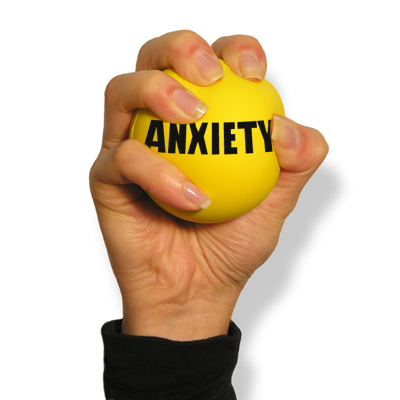
Anxiety! My experiences with healing my own Childhood Emotional Neglect.

Please check out my video's on my Youtube channel or like my Facebook Page for parenting support and information XX 


Anxiety is very common and nothing to be ashamed of!


Most people will experience a level of anxiety at some point. Most of us know this to be 'stress'. Whether you have an anxiety disorder or whether life has gotten the better of you and you are struggling with the feelings of stress and anxiety, it can be very hard to deal with.

I could come at this from a more clinical perspective and tell you that Anxiety is a fear based disorder classified as 'excessive worry' by the DSM-V (Diagnostic and statistical Manual used to categorize and label mental health illnesses). Instead I would like to talk about this in a more real, experiential way, sharing my experiences and how I have worked through and with my own anxiety. As with all illnesses, there are some common symptoms but every person is unique and will have their own experiences. I am no different. Hopefully this will help you to view anxiety a bit differently and approach your own stress in a slightly different frame of mind.


My Journey with Anxiety:


I have experienced 'stress' for as long as I can remember. I feel my anxiety in my body more than anything. Anxiety is a very physical disorder for many people due to the inability to relax and the high levels of worry that you may experience. Your body starts to react which I found increased my worry and made me feel trapped in this state of hypersensitivity. When I am anxious I tend to feel a great deal of pressure. The feelings of anxiety will latch on to relevant issues in my life that deserve a bit of stress but my reactions far outweigh the problem. Much of the time I manage this without people being aware. One of the worst mental pitfalls of anxiety that I experience is rumination. Thoughts that go round and round. Playing conversations in my head over and over. Having imaginary fights with people, even strangers, often based on me lashing out in defence to perceived threats or insults. None of this is warranted, none of it worthy of the amount of energy I expend. I end up mentally exhausted and angry. I become frustrated and angry with myself and often feel ashamed at my inability to control this. The negative, judgemental self talk starts. I feel defeated and want to escape, run away and start again. The light at the end of the anxiety attack seems very distant and at times I can't imagine it being there.

For me, mental exercises such as stopping thoughts and re-framing thoughts is difficult. Cognitive Behavioural Therapy works well for some people but for me, it added to my mental exhaustion and didn't fit. I never went to a CBT therapist, I did a group when in the UK and found the whole process to be a great learning opportunity (budding psychotherapist that I am) but in no way helpful or applicable. In fact one of the members was clearly grieving and had been lumped in this group without being fully assessed. The mental health system can be like this at times. We are so hell bent on finding a quick fix, evidence based solution that the government will fund that individual experiences and the acknowledgement of people having complex life experiences falls by the wayside.

The impact of Childhood Emotional Neglect:


Anxiety is often a product of emotional neglect in childhood. I have learnt a great deal in my own healing journey and would very much like to share this with you all. Emotional neglect is a bit different from emotional abuse, which we associate with emotionally manipulating people in order to control them or put them down. Childhood emotional neglect is a bit different and possibly one of the most damaging forms of abuse. It is often not deliberate at all and I hesitated calling it abuse. It occurs when parents or carers fail to effectively meet their child's emotional needs. Children are not attended to emotionally and they are not taught how to manage their emotions. Often this is because parents have not had their own emotional needs met. It is generational. Fear stems from instability and a lack of safety in the world. When needs are consistently not met in childhood this creates anxiety from an early age. Anxiety is a tough one to identify though as stress is such a common state. I remember being in a pharmacy looking for a vitamins and chose one that was good for stress. The pharmacist asked me if I was stressed and I replied 'Who isn't?' She said to me that she wasn't and looked taken aback by my response. I started to wonder if my stress was unusual.

The Key to my healing lay in my emotions:


I learn't in therapy and through my own personal growth and professional knowledge that instead of trying to change my thinking patterns, I needed to understand my emotions. I needed to understand what my child self went through on a feeling level. I had become so cut off from my felt sense, from how I experience things in my body. I was unable to connect to many of my feelings, I stayed in the realm of thinking and intellectualising. I inherently had to learn how to do this again. Meditation was key for me. I struggled a great deal at first. I find doing this whilst being open to exploring your true feelings and experiences in a safe and guided manner is the most helpful. I needed to work on some deep set beliefs I had been holding for most of my life. I have had a lot of shame and am still muddling through this aspect of myself.

People don't just develop Anxiety for no reason:


The release for me has been confronting my anxiety and the reasons for it head on. I do not believe some people 'just develop it'. This is a myth and centred around our denial and resistance to looking at how we have been parented. This is not a criticism at all. I know first hand how guilty you can feel seeing the people who gave you so much as being the people who hurt you emotionally. Let me tell you though, once I worked through my attachment issues with my mother, I realised one day that my memories of her had changed for the better. The very memories that induced so much pain have been re-framed in my mind and I was seeing them more fondly. I understood her, I saw her for who she was and loved her more deeply than I was ever able to. In working on my childhood pain with a therapist that I trusted I was able to release the intense emotions attached to my trauma. I learnt how to be the parent to myself and identify my own needs and meet them for myself. This process is tough and so much comes to the surface before it can be released. This means the intensity heightens and you have to be aware of the process or you may just want to retreat back into your shell (believe me, that's normal). Should you persist, you WILL overcome it and come out so much stronger. Each challenge becomes that little bit easier. You find strength to work on yourself in ways which you never thought possible. You look at patterns in your life that no longer serve you. You start feeling a sense of self love you never thought was possible. This takes time but something I always felt was that although there is pain, it's NEW pain. It sure beats the same old ruminations and stress.

Learning how to trust my true feelings:


Not all therapist's believe in this. Working on your childhood attachment trauma when suffering from anxiety or any mental illness is the key. It allows you to release and purge this unwanted baggage and change in a way that you can't possibly go backwards from. You learn HOW to work on yourself and WHY you are feeling the way you do. You learn how to feel and trust your feelings. You learn about who you are. I no longer struggle in the same way. I get triggered at times but I allow those triggers to surface and I observe them, my behaviour and work through my emotions. Like I said, you learn how to work on yourself, on your shadow self.

Don't lose hope!


Anxiety is not a life sentence and you don't need to stop your thoughts or change anything. On the contrary you need to observe them, accept them and reflect on them. Let them guide you. Focus on your feelings, really work hard at being in the present and with whatever you are experiencing. Be kind to yourself and hang in there!

Take care,
Paula X

Post Natal Depression is not the same as 'Baby Blues'

Please check out my video's on my Youtube channel or like my Facebook Page for parenting support and information XX


Today I thought I would create a bit of awareness around Post Natal Depression (PND) or Post Partum Depression. In a simple way, this is when a new mum becomes depressed for longer than 2 weeks after giving birth. This disorder has the same severe or prolonged symptoms of Clinical Depression that lasts more than a week or two and interferes with the ability to function on a daily basis. 

PND can interfere with the relationship between mum and baby in terms of bonding and attachment. It can put relationship strains on the parents and PND can be extremely distressing for the new mum.

Baby Blues:


Getting the 'Baby Blues' is very common. 50-80% of women have this experience and it usually lasts a week or two after giving birth. Symptoms include mood swings, tearfulness, anxiety and difficulty sleeping aside from the baby. Baby Blues are thought to be linked with the stresses of pregnancy and hormonal changes. The treatment for this is usually rest and support.


Post Natal Depression:


There are 2 types of recognised forms of PND - Melancholic and Non- Melancholic.

Melancholic is rarer and has a distinct genetic or biological basis, thus unfortunately you are predisposed to PND and will most likely require medication in your treatment plan. It is characterised by slowed cognitive processes (thinking), poor concentration and psychomotor disturbances (agitation or slowing of movements); on top of the depression symptoms.

Non - Melancholic is more common and is linked with certain risk factors in your social environment. The depression can still be severe but this form of PND responds to psychological and therapeutic treatment and approaches. This is the PND I would like to chat about today.

There is a focus on fears and the concerns are often about the well - being of the baby or feelings of inadequacy as a parent.

Symptoms of PND can include:
Loss of enjoyment in usual activities
Loss of self - esteem and confidence
Loss of appetite and weight
Broken sleep (irrespective of baby)
Sense of helplessness and of being a failure
Wish not to be alive
Suicidal ideation (thoughts of suicide)
Panic attacks
Loss of libido (sex drive)
Fears of baby or partners' well-being or safety

Risk factors for developing PND can include anxiety during pregnancy, stressful life events during pregnancy, low levels of social support, low socio-economic status or obstetric complications. Risk factors mean that there is an increased risk of developing PND; it is NB to note not everyone with these risk factors will go on to develop PND.

The negative effects of PND can be frightening for people suffering from this disorder as well as for their families. Often the mum will struggle to bond with her baby and may not feel any gratification for her role as a mother. Tasks in her life may be too hard to manage at this time, particularly to do with the baby. Thus the new mum may feel isolated, guilty, helpless and hopeless and these feelings are constantly being reinforced by her inability to tend for and love her baby.
The risk for substance abuse increases with PND as does the suicide risk. Some mums start to have intrusive thoughts of accidental or intentional harm towards the baby. NB it is very rare for a non psychotic woman to commit infanticide but these thoughts can be extremely distressing nevertheless.

Depression will effect a mothers's ability to interact appropriately with her child. She may not respond to her baby's cues or she may be negative, hostile or disengaged. The outcome will be a lower cognitive function and emotional development in the child. In lay-mans' terms a child needs to learn about feelings, behaviours and feel validated and supported in order to develop and grow with confidence and stability. If the child is not being responded to or is receiving mixed messages about how to feel, the child will not feel secure in their own reactions and will not learn to understand their own emotions easily. This is bound to create problems later in life. Perhaps some of you are thinking that your own needs may have not been met as a child....

Breast feeding can be difficult for women suffering from PND.

Medication is not a popular choice for PND, particularly because women are breastfeeding and do not want to taint their breast milk. Side effects are not yet known in this regard and the argument lies between the side effects of medication and the negative effects of PND on the child's development. Something to think about.

Treatment:


The common form of treatment is psychotherapy using psychological approaches. The two approaches that are proven to be effective are Interpersonal Therapy and Cognitive Behavioural Therapy. In my personal opinion, it is important to find a person, group or approach that feels right for you. If you would like to treat this asap and are time limited, money limited or a person who does not like talking about their problems, a more manualised approach like Cognitive Behavioural Therapy (CBT) or Interpersonal Therapy (IPT) may suit you. Both approaches go for a number of weeks (12 - 20 on average, CBT can be less) and the skills you learn can be incorporated into your life outside of therapy. Other forms of therapy are less structured and more open ended, often with a person - centred base. My best advice would be to take into account what you would feel comfortable, talk to your GP about options and shop around for a therapist that works for you.

It is always important to feel comfortable and trusting of your therapist. You should work with them to find the best treatment for you. Your unique problems and commitments should be taken into account and you should feel comfortable enough to say when things are not working for you. Sometimes bringing your baby with you to the sessions may be helpful and the therapist can gain an idea of your interaction styles with your baby. You should NOT feel judged, this is important. If you are suffering from PND you are doing enough judging for yourself, you do not need to add to this.

It is important to understand Post Natal Depression so that we can be understanding of ourselves and of others, should we come across this disorder. We are only human after all and no person is immune to life's hardships in one way or the other. Lets support one another!

Hope this isn't too wordy and academic, hard to casually give the facts as we know them :)

Take care
XXXX
Paula


Reference:
Treatment of postpartum depression: clinical, psychological and pharmacological options

http://www.ncbi.nlm.nih.gov/pmc/articles/PMC3039003/

A easier way to understand 'Childhood Development', 'Emotional Regulation' and 'Attachment' in Parenting

Please check out my video's on my Youtube channel or like my Facebook Page for parenting support and information XX


No child is born 'evil' or 'bad'. Despite many people out their believing otherwise, the very tough home truth is that children are a product of learning or circumstance. This is something I believe with my whole heart and if no other message goes through, let it be this one! If you were told something awful like that as a child...it is not true. Simple. What isn't simple, however, is understanding why children develop behavioural problems, or behave in ways that are associated with our idea's of 'bad'. I thought the best way to go about this would be to explain some of those fancy phrases or terms such as 'attachment', 'emotional regulation' and 'development' in a way that is easy to comprehend and apply to your own lives.

DEVELOPMENT

I will start with development as most people know about this to some degree - if for no other reason but because we have all progressed through early development ourselves and continue to develop throughout our lives. When development is mentioned in relation to children, it is about how a child is growing, learning and reaching milestones specific to a rough age group. Theorists such as Freud and Erikson (the 2 that spring to mind the most for me) and many others have attempted to create comprehensive 'stages of development'. I wont go into what their theories are in this forum but I will discuss this concept of developmental stages a bit as it can become a great source of stress for parents, particularly if your child is said to be 'delayed' or 'immature' for their age.

There are many theories but none of them are absolute and rigid. These milestones are meant to act as a guide. Children should start to teethe, walk, talk, make associations etc around certain ages. Some children advance in some areas and take longer to develop in others. This is normal. Your child is unique and special and should be assessed as an individual, the same as adults. Some areas require more effort and support than others on the part of parents and educators. Children are often put through assessments at school in their early years in order to assess for readiness to move up to the next grade or level. Ideally this is done in order to support the child, not to criticise and pass judgement. That said, many people do feel judged and finding out your child is behind can be quite confronting for parents. For the most part,delays in development are not an indicator of disability, slowness, lack of intelligence or underlying issues. Often it is about being flexible and understanding that your little nipper is constantly learning and their brains are still developing. Children are each exposed to different stimuli, experiences and learning opportunities and the rate at which this learning takes place is going to differ slightly for each child.

When to be concerned:

With everything, it is always good to consult with a professional if you notice areas of struggle or delay that are worrying or substantially different from other children their age. Keep talking to your Doctor and keep yourself informed about what milestones to expect from what ages so that you are able to align your expectations with your child's capability. When professionals assess a child for abuse, often these developmental stages act as a guide for abnormal behaviour. An example would be a child who is being abused may regress or halt development in certain areas like speech. Teachers should hopefully pay attention when children who are, for example, 3 years old and have not started forming words or sentences yet.

EMOTIONAL REGULATION

This is something that you may actually know about on a basic level. We need to teach children about emotions and appropriate ways of expressing them. This is something most parents do naturally. Emotions are learnt through modelling (children watching you and your emotions) as well as through validation, which is when you reinforce their emotional experiencing by acknowledging their feelings. If you try and hide emotions from children it can actually be more harmful than protective because young children are more in tune with their intuition and senses than with thoughts and reasoning. They will pick up on your emotions and react to them. Being appropriately transparent is a great way to teach your children about different emotions and take away the fear surrounding the more negative emotions such as anger and sadness, I want to stress that you do not need to be transparent about your problems and the reasons you are feeling a certain way, adult problems should not burden children. What you should do, however, is explain that you have an adult problem and it is making you feel sad or angry or frustrated. If you are crying, explain to the child that you are crying because you are feeling sad etc. It is a parents job to familiarise and support children through their emotional experiencing so that they can feel comfortable in their reactions and do not feel guilty or ashamed of 'how they feel'. I find it is easier to teach children about emotions like you would shapes, colours, the alphabet and other common lessons. Associate emotions with colour and ask children to match different emotions to the colours they think represent the emotion. There are many lovely activities to help you with this but the best way is to lead by example.

What happens when a child's emotions are not regulated?

Due to the sheer enormity of child abuse and mental illness, this is an area that is strongly backed up by research although the negative effects of insufficient emotional regulation have been known to many frameworks of psychotherapy and psychology for years. Within child abuse literature and laws, neglect has been proven to be just as harmful, if not more harmful in some cases, than physical abuse. The reason is due to this regulation of emotions and attachment (which I will chat about shortly). Neglect is not simply about not playing with your children or not giving your children constant attention. It is about failure to help them develop and learn, failure to build up their strengths, failure to validate them as human beings and failure to normalise their experiences and teach them that feeling emotions is normal and not to be ashamed of. Safety is not only about a physical environment. Children need to feel like they can make mistakes and will still be loved and accepted. They need to be able to have trust in the people caring for them and they need to be able to ask questions and learn how to manage their feelings appropriately so as not to harm themselves or others in any way.
Going back to my initial statement of children not being born bad or evil, this is a prime example. Children do not have the mental capacity and ability to process their feelings and articulate their needs like adults can. That does not mean they do not feel the same emotions, it means they often are unable to understand them. Children who behave in challenging ways are often acting out their emotions due to a lack of a better outlet or guidance. They are attempting to get their needs met. Discipline and structure are important here, not in terms of punishment, but in terms of safety and boundaries. When you punish a child for expressing their emotions inappropriately, it is important to spend some time teaching the child more appropriate and healthy ways to react without shunning the emotion itself. ALL EMOTIONS ARE IMPORTANT and serve a purpose.
If a child has never been taught how to understand their emotions they will struggle in life to various degrees. The child may go on to develop low self-esteem, mental illness such as anxiety, depression and in extreme cases, more serious mental illnesses such as Borderline Personality Disorder. They will most likely struggle to have healthy relationships and may struggle to handle stress in life. As they have not been taught that certain feelings are normal in certain situations, they will have to work all of this out for themselves along the way. This will mean that they will struggle to feel confident in their reactions and may feel out of control and easily overwhelmed. A good example of a child not having their emotions regulated is when the primary caregiver has mental illness, lets say depression, and struggle to feel their own positive emotions such as joy and excitement and thus are unable to model these to their child. The child may race home with a gold star only to be met with a half hearted smile. The child may become confused and mistake this reaction for a mistake in their own feelings 'this gold star is not something to be excited about'. That lesson will be learnt and the child will be left with confusion. Later in life the child may go on to find that they are unable to recognise joy and excitement.

ATTACHMENT


This ties into both development and emotional regulation and stems from 'Bowlby's Theory of Attachment'. It is about the relationships and emotional bonds
that are formed  between people. Children will form an attachment to their primary care giver, usually the mother figure. This is different to other relationships of friendship and romantic attraction/love. It is a deep relationship requiring trust and a sense of belonging where the person creates a bond that is extremely influential to their sense of being in the world. The earliest attachments in childhood are the most important and impact behaviour, self-esteem and self reliance and have a lasting impact throughout the child's life. To have a secure attachment, your child will learn that you love them unconditionally and will be dependable and reliable. Again, many parents do this naturally by meeting the infant's needs, accepting the child's mistakes, spending quality time with the child, creating structure and safety and routine in the child's life, teaching the child continuously, being patient, showing and expressing love and guiding the child through challenges.

When the attachment is not secure: 

This can happen for a number of reasons, namely, it happens when a primary care-giver is not consistent or does not create this bond effectively with the child. Inherently, it happens when the child's needs do not get met (physical, emotional and other). If the child continuously receives mixed messages, they will become confused and will not feel secure. This happens when a parent is abusive and the child is never sure how the parent will react. It can also happen when a child is neglected or left to fend for themselves in some way. It also happens when the child's emotions are not regulated. Not having this security can lead to a range of issues down the track for example they may be unable to form healthy relationships, either becoming too dependent or too avoidant, unable to feel secure in a range of areas within their life. Thus this impacts self-esteem and confidence. Some people may go on to suffer from various forms of mental illness, similar to a lack of emotional regulation.

Some final words:

As a parent it is your job to teach your child how to believe in their own ability and experiencing. It is important to take care of yourself so that you may take care of your child. The best way to teach a child is to lead by example. I hope this has not created fear in new parents, it is not meant to frighten and scare, rather to inform. Love your children, treat children like children and don't expect children to deal with adult issues. Children learn best through play and through modelling so remember, live by example and do not use your children to meet your needs, it should be the other way around. There are no rule books and formula's, you will mess up more than once and that's ok. It is how you handle the mistakes that count in the end. Dr Phil always says 'it takes a hundred atta boy's to make up for one criticism. Never call your child names like stupid, useless, bad, hopeless etc, they will believe you and take this on board. Always punish the behaviour not the person. Your behaviour is naughty not you are naughty. Take time to explain why you are angry or upset with them, let's get rid of the 'because I said so' and replace it with a solid response 'mummy wants to keep you safe and so the answer is no'. Encourage questioning and exploration and encourage tolerance and love!

Those are my thoughts and I encourage you all to keep learning about this and find ways that work for you and your family.

XXX
Paula


Monday, 1 June 2015

How to cope with difficult emotions as adults

Please check out my video's on my Youtube channel or like my Facebook Page for parenting support and information XX

To teach your children you need to understand yourself:


I have been wanting to put something I have recently discovered down for you all around coping with difficult emotions. I say recently because until recently, I have been a bit of an 'avoider'. Not deliberately and not completely. I have always been in touch with emotions in general. I have never been uncomfortable around other people's emotions (with the exception of anger at times). Today though, I am talking about those deep buried emotions that we try our best to avoid or ignore. Those emotions we deny because of the fear and negativity we experience when we feel them. The ones we think will swallow us up whole, never returning us to the light.

All emotions, including happiness, have the potential to be difficult:


The reason for this is because of the experiences associated with the emotions and what these emotions mean to us. Fear is one of the big and uncomfortable ones. Fear is also something we enjoy in certain contexts such as watching a horror movie or going on a ghost tour. There is a huge market for spooky things for Halloween due to our love of getting thrills and chills. Why is this? Why can we invoke fear on one hand and build up massive defences against it on the other?

It is not the emotion we are fearing:


It is not the emotion that gets us so to speak. As children, we are driven by emotions and our 'felt sense' or how we perceive the world outside of thoughts and logic. We have the strongest instincts when we are children because we are unable to understand other people's feelings outside of our own experience of them. We don't talk ourselves out of feelings. We don't anticipate what loss, anger, sadness etc. will feel like. We live in the present and take each experience as it comes. We don't fear emotions. What we are afraid of is the lack of understanding, the unknown.

This fear of emotions comes from childhood and feelings we have experienced that have not been made clear to us. We have not understood our emotions within a difficult experience and have had to find ways of making sense of them without the tools of logic, learning and reason. Many of us build up defences in order to cope with these tough emotional experiences. When we feel something that unconsciously (or consciously) reminds us of this difficult experience, we logically assume it is the emotion that makes us feel this way. That the unbearable nature of what we are feeling must be due to our anger or fear or pain or sadness etc. We build up walls against these particular emotions and feelings and attempt to move out of them as quickly as possible in various ways. I hope I am making sense?

Let me give you an example:


My father was not a part of my life. Fundamentally I felt abandoned and rejected. I felt sadness and hurt that he 'didn't want me'. My mother did her best to compensate for this by believing in me and expressing how much I was wanted by her. She tried to explain to me all the reason why he couldn't be a father to me. As much as she tried to help me to see that it wasn't because of me as an individual that he wasn't around, I still felt abandoned by him. I still felt loss and sadness at the fact that my father was not around and didn't want to be. This sadness was not attended to, by my mother and then later on by me. The reason was due to it being misunderstood and it was not something she was aware of in terms of my emotional needs. Sadness and emotional pain has always been quite difficult for me on a fundamental level. The deep sadness. Even in my grief, I struggled with truly experiencing this on a full level. I shoved it down and moved on from it as quickly as possible. I built up a world of defence mechanisms to cope with feelings of sadness, rejection and abandonment. One of my biggest defences is anger (an associated emotion I developed). For years the feelings I have felt towards my father have been anger. Anger has been a much easier emotion to bare, it has protected me and given me a false sense of security and justice. I have also developed the habit of trying to 'fix' other people when they feel sad. I have always felt sadness and pain is something that needs to be fixed or something I need to help people to avoid. As a therapist I have had to work extremely hard at allowing people to be in these emotions without trying to move them out of it and give them solutions. People will heal from discovering their own solutions.

The truth is though, in order for you to feel relief, you need to fully experience your feelings!


The pain comes in when we bury them or build these defences up against them. We take these defences on board and keep using them way beyond their necessity. In my case, the anger has been holding me back in so many ways. My lack of ability to experience sadness fully has also held me back from being who I really am. It made the significant loss I have experienced incredibly hard and drawn out. It effects my relationships (all of them). It prevents me from being true to my own needs and living in a way that is in alignment with who I really am and would like to be.

To overcome difficult emotions, you need to allow them to come up to the surface:


Think of something at the bottom of your tea cup, it is much harder to reach inside the cup and dig it out than it is to scoop it out when floating on the surface. You may just burn your fingers trying. Your buried emotions are the same. You need to have patience and understanding as each emotion starts to float. It won't all come at once although it can often feel like it does. To reassure you, your higher self or unconscious is in tune with your needs far more than your conscious self. In the same way as our dreams, we will never be given more than we can bare. If you are experiencing a difficult emotion, know that you are strong enough to cope with it. It wont feel good. That is to be expected.

The minute you let go of your expectations around how you should be feeling, you will accept and work through how you really feel. If you can allow the emotion to come through and have your full presence, your organic, natural and instinctual self will integrate and work through it. Once you have worked through it, it will be released. It will not only be released but you will be much better for it. You will learn from it and grow from it. You will feel relief and you will no longer have to bare the weight of the heaviness that comes with holding it in. This can take some work, especially if you are like me and have a lot of resistance to your difficult emotions. Start with trying to identify how you feel in your body.Get to know how you experience emotions and be gentle with yourself. Find time to be by yourself to think, feel and behave in the ways you need to. I personally like to be by myself to grieve and cry. I play sad music, light a candle and look at photos. When I am angry I like to vent, play heavy rock music or to sing or write. I am starting to honour the complex nature of my emotions and feelings and I have taken control back. I make it a point to understand all of the emotions and appreciate the importance they have in my life. In all our lives. The key to happiness and relief is in you, in being true to who you are and what you honestly feel.

There is no such thing as a bad emotion! Only bad experiences associated with emotions.

Love and light XX
Paula