Latest Photos

Showing posts with label coping skills. Show all posts

Saturday, 17 October 2015

With all Change comes Loss!

Please check out my video's on my Youtube channel or like my Facebook Page for parenting support and information XX 

Loss is a part of Change


Something that has been very prominent for me in my own healing journey has been the amount of loss I have experienced whilst making the necessary changes I have been making in my life. I have been reflecting on how change occurs in our lives and how painful this part of life can be. Most people know all about change and how it can turn your life upside down and make you feel unsure of yourself. What most people don’t bank on, however, is the grief that accompanies even the smallest change.
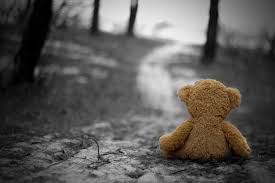

Grief and Change:


In order for new experiences to enter into your life, you need to make some space for them. The very nature of change means that the old ways you have grown accustomed to, are found to be no longer applicable to you anymore. Unfortunately, this can happen with people too. Similarly with decision making, in order to invite in something new or make a decision to change, you have to sever, let go or abandon something old. A quick example would be that you may decide to change your breakfast cereal to toast. In order to have toast in the morning instead, you must STOP having cereal.

This ‘letting go’ can bring about feelings of loss and grief, especially if the changes you have made have included people or places that have significant meaning in your life. You will need to go through a process, a grieving process, in order to accept these changes and make them a part of your current life. For some people, this can take time. The changes do not always have to be difficult changes, in fact they can be very exciting and joyful. So many people get caught in this trap, the ‘I should be feeling happy…’ trap. What isn’t taken into account, however, is how difficult the process of change is, regardless of how good or exciting the change is by nature.

With every new beginning comes an ending:


We are built to mourn the endings we face in order for us to process the changes in our lives, in how we see ourselves, our environment and the world in general. We feel loss at all the feelings of what could have been and the regrets we may hold. We feel loss at the ending of any future plans we may have held. We feel loss at the changes within us and how we used to think, used to feel or even how we used to react. We may not have liked the way we reacted or behaved but it was familiar. It was a part of us and for us to move forward, we need to create closures and endings and find a way to let certain things go.


Sadness and Loss:


The core emotion of loss is sadness. Sadness is a heavy emotion and can often make us feel as if we want to withdraw and wallow. It is a very low energy emotion and I look at it as if it deliberately slows you down in order to allow you to take time away from your everyday life and process what has happened. We may feel longing and sorrow, which can lead to feelings of remorse and regret. We may feel untrusting of ourselves and the decisions we have made. We may feel alone and unsure of ourselves. We may feel angry and frustrated. We may even feel anxious and panicked. Mostly we feel as if we are all over the place when we are going through change. It can all feel a bit ‘unknown’ and that can be very frightening for many people.

Sadness requires gentle self-soothing:


When working with sadness as an emotion you are experiencing (or your child may be experiencing), you want to aim for soothing and comforting forms of attending to yourself or loved one. Think of a child who is crying and sad, what would you want to do for that child? If you were emotionally regulating a child with their sadness, you would want to start by helping the child to understand what they are going through. You would want to help them feel ok with their feelings of sadness (validation) and help them to understand that everyone feels sad sometimes (normalising). You would do this by acknowledging how much they have gone through and how normal it is to feel sad when people go through something like this. You would use your voice to show the child you are there for them and a calm and comforting presence for them. You would use physical affection such as hugging or holding them, holding their hand, stroking hair, rubbing shoulders, sitting next to them etc. You would also allow them to cry and support them while they do. You would NOT call them names like ‘you are being an idiot’ or ‘what the hell is wrong with you!’ You would also try to resist cheering the child up and would allow your child to feel sadness and work through it with your help.

This is what your own inner child needs too. When you are going through a big change and find yourself struggling and feeling a bit down or overwhelmed with it all, think about the loss and grief that accompanies change. Think about how loss has a core emotion of sadness and attend to your inner child who may need some help with these feelings of sadness. Nurture yourself and question your feelings in a non-judgemental way. Comfort yourself, be gentle with yourself and stop placing unrealistic expectations on yourself. Change is tough!


The light at the end of the tunnel:


The dust will settle! Often we rebuild ourselves in bigger and better ways when we take the leap of faith and make changes in our lives. Sometimes the changes are imposed on us and we feel we have no choice. That does not mean we will not rebuild in better ways, it just means that we will likely experience more loss and difficulty as we may not have felt ready for the change.

Either way, loss is a part of change and change is a part of life. We are designed to cope with loss and grief for this very reason. What makes both change and loss hard and tricky is our aversion to painful experiences and emotions. We have it in our head that anything difficult is NOT meant to be happening to us. This is a false perception as there is not one person in this world who has an ‘easy’ life. We are aiming for the impossible if we are aiming for easy.


The freedom comes when we find acceptance. When we accept that we have everything we need inside us to get through anything that gets thrown our way. We may lose people along the way and people may decide that your changes are not suited to them and their lives. It can be tempting to live your life the way other people expect you too in order to avoid losing the people you love (I get that). The truth is though, you are the most important person in your life. You have to be. This is how you will find happiness and this is how you will find out who you really are. People may just surprise you or you may find that the people you lose have made way for people who will love you through your changes to enter your life. As long as you are following your heart and doing what is best for you, it will all start to fall into place!

All the best with those new beginnings

XX Paula

Saturday, 13 June 2015

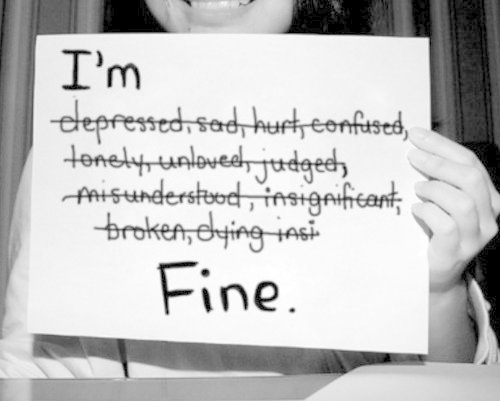
Depression! The core emotion 'Sadness' sits at the heart of it.

Please check out my video's on my Youtube channel or like my Facebook Page for parenting support and information XX 


The Experience of Depression:

Depression is one of the most known about mental health issues yet one of the least understood in my opinion. We have certainly grown in understanding in the Western world and have moved into acknowledging this as an illness that has serious consequences for people and their ability to function. The problem, however, is the ability for people to recognize it in both themselves and in other people. People suffering from Depression (whether it be a depressive disorder, situational Depression or a depressed mood or state) are often met with a lack of support and a pressure to 'cheer up' or rejoin society.

Every person is unique and will have a unique experience of Depression or any mental illness. The reason a blanket label such as 'Depression' is helpful is to enable people to separate the illness and it's symptoms from who they are as people. Depression, like many mental illnesses, is all consuming and seeps into the core of a person's being.
There are many websites and resources as well as research which outline common symptoms of Depression. Depression is assessed according to the duration of these symptoms and how frequently they occur. The Diagnostic and Statistical Manual (DSM) has been revised a number of times due to the growing research and knowledge that we continue to gain in the mental health industry. As it stands, Depression is characterized by symptoms such as:

  • Feelings of Guilt and Shame
  • Loss of motivation and energy 
  • Helplessness
  • Hopelessness
  • Loss of enjoyment in the things that were previously felt as enjoyable
  • Loss of self-worth and increased self-loathing
  • Suicidal ideation (thoughts of suicide)
  • Sleeping disturbances (either too much or too little)
  • Appetite changes (over or under eating)
  • Anger or irritability
  • Tasks become more difficult when once experienced as manageable
  • Inability to control negative thinking


It hits you physically in the form of lethargy, chronic fatigue, heaviness, headaches chronic pain, stomach issues...the list goes on and will vary from person to person. Depression often goes hand in hand with other disorders, both mental and physical. There are many different forms of Depression and they can all range from mild, moderate to severe. These symptoms are a guideline and the way I see it, they are only helpful if they are used as a tool to shed light on a very real and all consuming experience someone is facing.

What is really going on for a person?


Depression is an incredibly difficult condition to be faced with and unlike a physical illness, it all goes on within a person on a very personal and isolated level. Many people put on a big mask and battle their way through daily life, existing rather than living. As Depression saps energy and motivation, it makes tasks other people find easy seem like Mount Everest and very little energy is left for things that are not a priority for our survival in this world. The days may be experienced as dragging on, each one the same, each one exhausting and as uninspiring as the next. Watching other people enjoy themselves can heighten the feelings of hopelessness and shame as the contrast between how the person with Depression is living seems so out of touch with the rest of the world. This fuels self-loathing and low self worth. It creates a pressure that further exacerbates the lethargy and depleted energy. People suffering from Depression are often incredibly hard on themselves and seem to get caught in a negative spiral which can feel very difficult to pull themselves out of. Those with Chronic Depression often lean towards the idea of suicide as it is seen as a release from the pain and turmoil that they are living with every day. As there is no motivation to make changes, however badly they may want to,coupled with a severe lack of hope, suicide provides a way out, a ray of hope for many people living with this condition. There are many variations to this, as I said, each person is unique. It may also come in waves and in this case people often fear the next round of Depression creating Anxiety in the process. I believe it is very difficult for people to separate the illness of Depression from who they are outside of this condition. Depression becomes 'who you are' rather than something you can heal from. Depression seems to steal people's sense of self along with their hopes, dreams and joy.


What is the core emotion behind Depression?


This is not as easy to identify as something like Anxiety which has a core emotion of Fear. Anxiety is experienced as excessive worry and this makes Fear a more obvious core emotion to identify. Depression is not as straight forward, even for the person experiencing it. Even mental health professionals may struggle to identify it at times. A practitioner may be able to identify a 'flat affect' which is basically the absence of emotional expression and a very low and flat way of coming across. The eyes don't seem to connect to the words if that makes sense. Many people who are in a relationship with someone who suffers from Depression will often complain of an emotional disconnect or distancing (It's like they don't care about me or what I have to say). A flat affect will often help to highlight a lack of energy or motivation to a practitioner. The rest of the assessment will be determined in how much or little the person is willing to share with you. 

People can come across as angry and aggressive or just plain irritable and sceptical or cynical. They can come across as apathetic and unfeeling or even lacking empathy. Some people may be emotional and tearful. This all depends on the person, their experiences and their personality. The reason for these different expressions of Depression is due to layers of emotions we develop around the core emotion as a way to cope with this unprocessed core emotion. Think of it like an onion, with it's layers around a core. When looking at the core emotion you need to strip away the different expressions and behaviours shown outwardly and look at the fundamental symptoms and associated emotions as well as the physical experiences of Depression that are common in people. You also look at some of the causes and dual diagnoses that have been identified with Depression such as unprocessed Grief, Eating Disorders, Chronic pain and physical illness, life changes, genetics etc. They all have something in common...Loss. One could even argue that the genetic component may in fact be caused by the environment, where the child is affected by the lack of presence and emotional disconnection from their parent and thus go on to have increased risk of this themselves. Whatever the cause, I believe the core emotion most associated with Depression is 'sadness'.

A deeper look at Sadness and how it fits into the illness of Depression:

Sadness is a valuable emotion that helps us integrate loss and emotional pain from this loss. Grief is not limited to losing a person or pet or even item that you hold dear. We experience many internal losses throughout our lives. Sadness as a core emotion, or original emotion, will slow us down and force us to withdraw in some way in order for our whole beings to process this change and make sense of our lives without the thing we have lost. If this is not done and we repress our loss and the feelings of sadness, they don't go anywhere, we internalise them and they sit outside our awareness and way of viewing the world. We have not allowed ourselves to mourn our loss and the feelings and impact of this will not be released. Thus begins the internal struggle that we are not likely to be consciously aware of. It starts coming out in other ways. We develop other emotions around this core emotion of sadness in order to cope with the discomfort we are experiencing. Think of the onion again.

We may live in a society that does not embrace sadness for more than a short period of time (Most people in the Western cultures will be in this predicament, myself included). I don't know many people who are able to be around someone who is crying let alone sobbing from a painful loss. Most of us have been under regulated as children with this emotion and would have had well-meaning parents who attempted to cheer us up, dismiss our feelings or even reprimand us when we became sad and upset. Many parents will tell their children that they have nothing to cry about or attempt to cheer them up by distracting them. Very seldom do parents react by saying 'It's alright sweetheart, you cry for as long as you need to, let it all out' and then proceed to stay by their child's side, holding them and comforting them while they do indeed work through this sadness and 'let it all out'. Without meaning to, parents often shame their children for expressing sadness. Many families hold 'strength' and 'being tough' in high regard. I remember when Princess Diana died and watching her funeral on TV. All the news presenters and papers spoke about how brave Prince William and Harry were for NOT crying at their own mother's funeral! 


When we have no where to place our sadness and feel shame for feeling sadness, this creates a great deal of suffering and internal pain. This loss becomes separate to our sense of self and continues to grow. Life continues to go on and we collect loss after loss. The more trauma we experience in our lives and the less we form a relationship with sadness and other emotions, the more we split off from our emotional selves, our very spirit. I believe Depression is what occurs when this unprocessed loss and sadness becomes too much of a burden to bare. It takes over. You start to experience loss in many inner areas such as self-esteem, motivation, energy, enjoyment, appetite,sleep, relationships etc. You also feel a deep sense of shame and guilt around not being 'tough', not being able to separate from these inner feelings. You lose your connection to life in a way as you lose your connection to your emotions. This is when things become 'hopeless' and you feel 'helpless' and at the mercy of this darkness (unprocessed loss).

Where to from here?


This is a lot of information and could leave you with more questions than you have answers. That is a good thing! Depression is treatable and I would go on to say curable! There are many evidence based approaches such as Cognitive Behavioural Therapy (CBT) which help you retrain your brain via your negative thinking and beliefs and these approaches can be extremely successful. I am always a believer in giving you the power and choice to find something that works for you. That is the key ingredient.

I want to add my own suggestion to those who are still at a loss as to where to go from here. This is true for all depressed states and not just disorders and chronic Depression. You need to go back to basics. Your emotions. When you carry something as heavy and as painful as sadness and loss, you will often shut yourself off from other emotions too. Emotions become something to be feared. You may feel a sense of shame at your lack of control when you tap into these emotions such as sadness or fear and this gives you a sense of powerlessness. This state of being may feel incredibly overwhelming and you go back into your default coping mechanisms that you were likely taught in childhood. You may have even adopted some of your own such as anger (which gives people a sense of power, the opposite to the feeling of powerlessness). You may retreat into your own world and isolate yourself to avoid being triggered by things or people in the outside world. Your shame may make you feel embarrassed or 'lacking' around other people. Your negative thinking may make you believe your ARE worthless and unworthy of the same things other people have such as joy and security.

The good news (or difficult to hear news), these are perceptions. Your fear is a part of your outdated coping mechanism and is not serving you any more. Emotions are not the things to fear, they will not cause you harm. It is quite the opposite. It is the very act of repressing your emotions,especially your sadness, that is causing you harm. Your negative thinking around how you are coping in the world because of your Depression, not who you are, is what is doing you harm. We end up shaming ourselves, placing pressure and expectations on ourselves and beating ourselves up for something  that is actually a very normal reaction to unprocessed emotions such as sadness. The place to start is to learn about this and re-parent yourself around emotions and how to manage them. Seek support in this if you are able to and in a way that feels right to you. Often we become unaware of 'how' we experience our emotions, let alone why. Don't question the 'why' of your feelings until you are able to do this without judgement. Focus on the 'how'. Where do you feel this in your body? Look at the circumstances around your feelings. Learn as much as you can about each of the emotions and why they benefit us. Seek to identify what is Depression in your life and what isn't. Be kind to yourself, you are coming from a place of sadness, not deficiency. I love inner child work. I also love exploring memories and adapting them into my adult brain. It is painful but it brings about such awareness and relief once I have experienced the feelings and released them. Work at your own pace and seek to understand.

The decision for change is yours for the taking!


When starting out on a healing journey, especially within therapy, it often feels worse before it feels better. Go into your healing being aware of this. Your emotions are finally being given the green light to surface and they need to surface in order to be released. Make the decision to change. Not for anyone else, but for you. Take back the control and arm yourself with knowledge and resources that fit for you. You are the best expert in your life and you have everything you need inside you to turn this around. Every day is a struggle, change the struggle and do something different. You are 100% worth it!


Much Love and Healing
XX Paula


Monday, 1 June 2015

How to cope with difficult emotions as adults

Please check out my video's on my Youtube channel or like my Facebook Page for parenting support and information XX

To teach your children you need to understand yourself:


I have been wanting to put something I have recently discovered down for you all around coping with difficult emotions. I say recently because until recently, I have been a bit of an 'avoider'. Not deliberately and not completely. I have always been in touch with emotions in general. I have never been uncomfortable around other people's emotions (with the exception of anger at times). Today though, I am talking about those deep buried emotions that we try our best to avoid or ignore. Those emotions we deny because of the fear and negativity we experience when we feel them. The ones we think will swallow us up whole, never returning us to the light.

All emotions, including happiness, have the potential to be difficult:


The reason for this is because of the experiences associated with the emotions and what these emotions mean to us. Fear is one of the big and uncomfortable ones. Fear is also something we enjoy in certain contexts such as watching a horror movie or going on a ghost tour. There is a huge market for spooky things for Halloween due to our love of getting thrills and chills. Why is this? Why can we invoke fear on one hand and build up massive defences against it on the other?

It is not the emotion we are fearing:


It is not the emotion that gets us so to speak. As children, we are driven by emotions and our 'felt sense' or how we perceive the world outside of thoughts and logic. We have the strongest instincts when we are children because we are unable to understand other people's feelings outside of our own experience of them. We don't talk ourselves out of feelings. We don't anticipate what loss, anger, sadness etc. will feel like. We live in the present and take each experience as it comes. We don't fear emotions. What we are afraid of is the lack of understanding, the unknown.

This fear of emotions comes from childhood and feelings we have experienced that have not been made clear to us. We have not understood our emotions within a difficult experience and have had to find ways of making sense of them without the tools of logic, learning and reason. Many of us build up defences in order to cope with these tough emotional experiences. When we feel something that unconsciously (or consciously) reminds us of this difficult experience, we logically assume it is the emotion that makes us feel this way. That the unbearable nature of what we are feeling must be due to our anger or fear or pain or sadness etc. We build up walls against these particular emotions and feelings and attempt to move out of them as quickly as possible in various ways. I hope I am making sense?

Let me give you an example:


My father was not a part of my life. Fundamentally I felt abandoned and rejected. I felt sadness and hurt that he 'didn't want me'. My mother did her best to compensate for this by believing in me and expressing how much I was wanted by her. She tried to explain to me all the reason why he couldn't be a father to me. As much as she tried to help me to see that it wasn't because of me as an individual that he wasn't around, I still felt abandoned by him. I still felt loss and sadness at the fact that my father was not around and didn't want to be. This sadness was not attended to, by my mother and then later on by me. The reason was due to it being misunderstood and it was not something she was aware of in terms of my emotional needs. Sadness and emotional pain has always been quite difficult for me on a fundamental level. The deep sadness. Even in my grief, I struggled with truly experiencing this on a full level. I shoved it down and moved on from it as quickly as possible. I built up a world of defence mechanisms to cope with feelings of sadness, rejection and abandonment. One of my biggest defences is anger (an associated emotion I developed). For years the feelings I have felt towards my father have been anger. Anger has been a much easier emotion to bare, it has protected me and given me a false sense of security and justice. I have also developed the habit of trying to 'fix' other people when they feel sad. I have always felt sadness and pain is something that needs to be fixed or something I need to help people to avoid. As a therapist I have had to work extremely hard at allowing people to be in these emotions without trying to move them out of it and give them solutions. People will heal from discovering their own solutions.

The truth is though, in order for you to feel relief, you need to fully experience your feelings!


The pain comes in when we bury them or build these defences up against them. We take these defences on board and keep using them way beyond their necessity. In my case, the anger has been holding me back in so many ways. My lack of ability to experience sadness fully has also held me back from being who I really am. It made the significant loss I have experienced incredibly hard and drawn out. It effects my relationships (all of them). It prevents me from being true to my own needs and living in a way that is in alignment with who I really am and would like to be.

To overcome difficult emotions, you need to allow them to come up to the surface:


Think of something at the bottom of your tea cup, it is much harder to reach inside the cup and dig it out than it is to scoop it out when floating on the surface. You may just burn your fingers trying. Your buried emotions are the same. You need to have patience and understanding as each emotion starts to float. It won't all come at once although it can often feel like it does. To reassure you, your higher self or unconscious is in tune with your needs far more than your conscious self. In the same way as our dreams, we will never be given more than we can bare. If you are experiencing a difficult emotion, know that you are strong enough to cope with it. It wont feel good. That is to be expected.

The minute you let go of your expectations around how you should be feeling, you will accept and work through how you really feel. If you can allow the emotion to come through and have your full presence, your organic, natural and instinctual self will integrate and work through it. Once you have worked through it, it will be released. It will not only be released but you will be much better for it. You will learn from it and grow from it. You will feel relief and you will no longer have to bare the weight of the heaviness that comes with holding it in. This can take some work, especially if you are like me and have a lot of resistance to your difficult emotions. Start with trying to identify how you feel in your body.Get to know how you experience emotions and be gentle with yourself. Find time to be by yourself to think, feel and behave in the ways you need to. I personally like to be by myself to grieve and cry. I play sad music, light a candle and look at photos. When I am angry I like to vent, play heavy rock music or to sing or write. I am starting to honour the complex nature of my emotions and feelings and I have taken control back. I make it a point to understand all of the emotions and appreciate the importance they have in my life. In all our lives. The key to happiness and relief is in you, in being true to who you are and what you honestly feel.

There is no such thing as a bad emotion! Only bad experiences associated with emotions.

Love and light XX
Paula