Latest Photos

Showing posts with label neglect. Show all posts

Sunday, 19 July 2015

My Evolving Relationship with 'Fear'

Please check out my video's on my Youtube channel or like my Facebook Page for parenting support and information XX 

I have felt a need to share some of my own experiences with the emotion 'Fear' today. It has been something that I have been actively processing, working on and making sense of for a number of months now. There are many experiences and variations of this emotion in my own life and in the lives of those closest to me and it is certainly not an easy emotion to get my head around. That said, which ones are!

We struggle to admit to our deep set fears:


One common theme I am starting to see more of is a fear of fear itself. Anyone who has read some of my earlier writing will know that I have lived with Anxiety for most of my life. I am pleased to say that I have healed from this in so many ways and I am at a point in my life where I am able to use my own experiences to conceptualise how I would like to work as a psychotherapist and practitioner but also in my personal life. 

Anxiety is a fear based disorder. I have unpacked so many of my deep set fears and this has been a gradual and difficult process. Fear comes out in the form of instability, insecurity and worry amongst other things. We do not live in a world that accepts these traits, let alone help you with them. Many of you, like me, will have shame attached to your fear. This is because we were shamed for feeling fear as children. We were either dismissed, ignored, left to soothe ourselves or our emotions were unintentionally unattended to.
We may have had parents that tried to change how we were feeling and would say things like 'you have nothing to be afraid of' or would distract us from our emotional experience. The very act of our fear being stomped out and not processed often creates shame. The way the world seems to repress emotions shows me that unless something changes, we will continue down this path without realising it. This is shown to me time and time again. Unfortunately we seldom get our needs met by other people when we are feeling scared, insecure or unstable. We often don't meet other people's needs when they feel that way too. The shame associated with our fear means that we often feel like fear is a weakness or embarrassing. We feel that we are going to be seen in a negative light for admitting to our vulnerability and insecurity. The truth is though, this often is the case! So many of us have an unhealthy and avoidant relationship with fear. This stems from childhood.

My personal discovery:

Throughout my healing journey I have been piecing things together. I have been trying to make sense of my patterns, behaviours, feelings, reactions, memories and triggers. I have been exploring and re-experiencing my emotions predominantly through inner child work processes. I have had to admit that I, like most people, have fallen prey to childhood emotional neglect. This is something that has run through many generations in my family. Emotional regulation continues to be a rather foreign concept and was certainly not known in my childhood growing up in South Africa. My mother had much of her own emotional trauma, so did my grandparents. No one taught any of us how to cope with difficult emotions such as fear. Strength and courage were applauded traits in my family, which is not a bad thing in the slightest. The problem comes in when the interpretation of strength comes to mean an 'absence' of fear. This is a false belief and one many people hold. This belief, in my opinion, is one of the most destructive forms of thinking we have. It creates an unhealthy relationship with this emotion and people develop a deep set shame because fear is unavoidable. It is one of our core emotions, we all experience it!
Fear builds up and is experienced in many different ways!


Well intentioned deception: 


I personally had a mother who liked to tell me that everything was OK and I had nothing to worry about. Looking back, I knew full well that this was not the case. I have been remembering many occasions where I have picked up on the stress and hardship in the home. I knew we had financial struggles. I knew my mother found it difficult to cope. I knew that my mother felt bad about herself. I knew that my uncle had gone missing on a sailing trip to Portugal and that my mother was staying up all hours of the night calling the Red Cross in various parts of the world. I could hear my mother and grandmother cry. I knew something was horribly wrong. I knew so much more then my mother could possibly have imagined. If I tried to express my worry, I was 'reassured' that everything was OK and there was nothing to worry about. This seemed to be a trend.
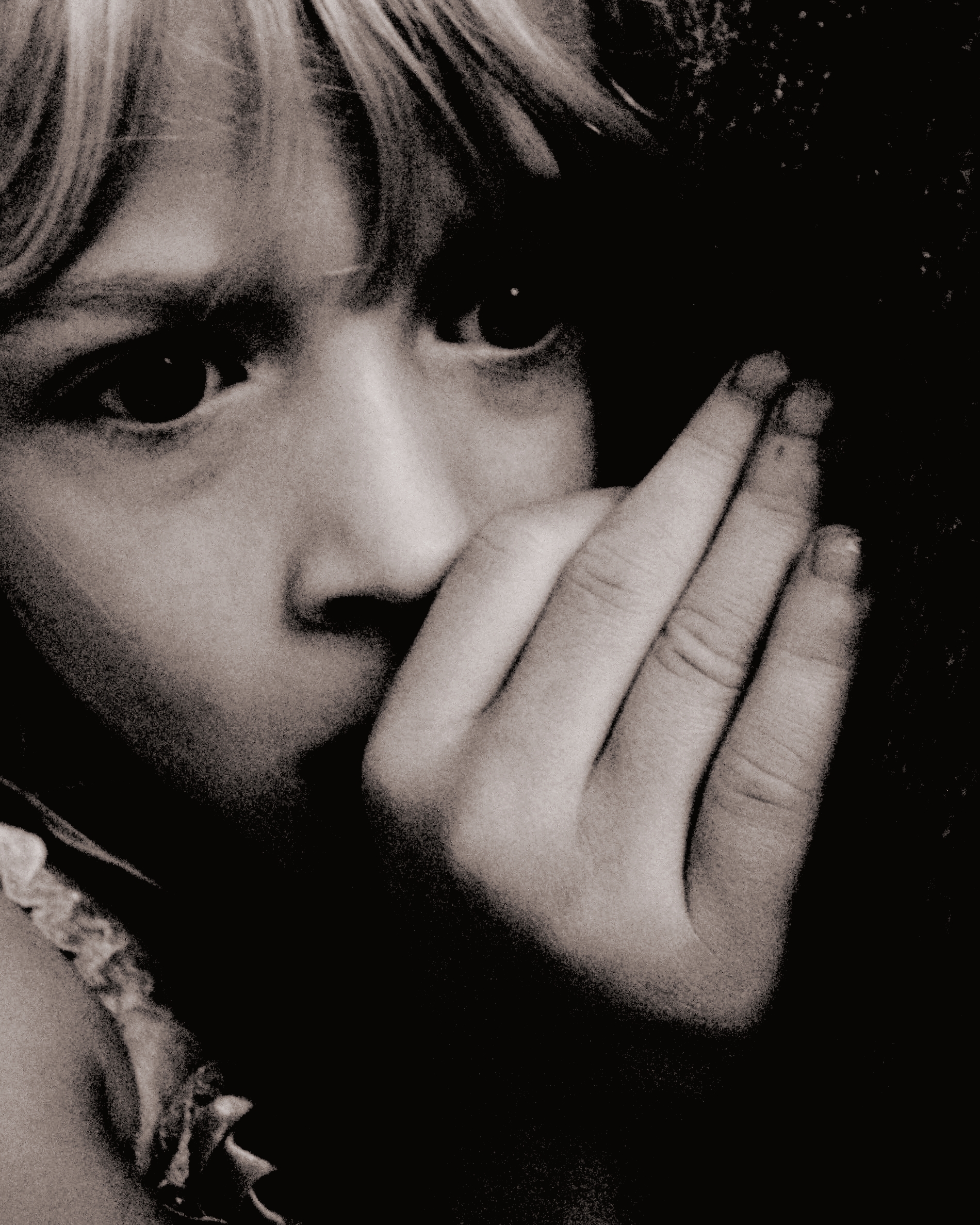
This continued throughout my childhood and into my teenage years. My mother continued to deteriorate under a pressure she refused to acknowledge to me. Our financial situation was dire and it was extremely obvious. There is nothing like no petrol in the car to drive this point home (excuse the pun). My mother was unemployed and shutting herself off from the world. Instead of attending to my fears and providing reassurance, validation and inclusion, she hid from the world. She taught me how to do the same in so many ways. This was her shame. She was frightened and was too embarrassed to ask for help, especially from my grandparents.  My grandmother refused acknowledge how bad things were for us and tried to motivate my mother by being critical. Thus my mothers' fears were punished due to my grandmothers fears. No one had any control, least of all me. It was no wonder I developed an Anxiety disorder that manifested in the form of needing to control my environment and struggling to trust other people. My environment was riddled in a survival based fear from the get go. I was never taught how to process my fear, I carried it inside me and it started to grow and permeate all aspects of my being as the years went on.

I learnt that the only person I could rely on was myself:


I developed a severe and unconscious problem with trust. I over compensated for this in ways that made me out to be overly trusting. This was such a good deception I even had myself fooled. It was a coping mechanism for my shame as we seem to do everything in our power to hide the truth when coming from a place of not feeling worthy or as if we are different from everyone else. The truth was though, I was let down again and again, particularly in my personal relationships. The love I experienced always felt extremely conditional. In many ways it was but this was partly due to the fact that I was not being true to myself. The self love I had was almost non existent. What love I did feel towards myself was the most conditional of all.

I let people down too. I valued honesty on the surface but deep down my inner child laughed at this concept. The world is unsafe she said to me. People will abandon you, they will dismiss you, you need to act a certain way in order to keep people in your life and on your side. Due to this childhood trauma around my fear, I developed the belief that people only liked me for what I could do for them in their lives. I had no money or nice things. I did, however, have a real knack for helping people with their personal problems. I was an excellent shoulder to cry on and ear to listen. I became the resident Agony Aunt. Good thing I love this role, in fact I chose to make this my profession. The problem was though, I never felt as if people liked me for me. In certain friendships and many romantic relationships, this was certainly the case. This was one of the hardest realisations I have had to face up to. The more I learn about myself,the more I realise that people couldn't have liked me for me because the real me was very lost. I didn't even know who I was outside of my practical identity (student, daughter, female, loves cats, has a sense of humour etc). The fear was so ingrained and I was so conditioned to act a certain way or I feared I would be ostracised or lose my sense of belonging in the world. It felt like the only person I could truly rely on in the world was myself. I struggled to trust anyone and still do if I am to be honest. I find it very hard to let people truly help me, especially emotionally. 

Fear is not and has never been the enemy:


I have called this blog 'My Evolving Relationship with Fear' because my understanding of my fear is continuously evolving and transforming. If I had to go into all my childhood issues we would be here for a year. From fear of the dark to fear of snakes to fear of being alone...I had many. We all do. Children are experiencing the world for the first time and fear is a natural part of this. Fear is not a bad emotion at all. Our reactions and resistances to fear are what cause us hardship and struggle. It is our experience in the world that determines what we find threatening and frightening. The less we are attended to emotionally, the more we will struggle to feel safe in the world. The more our emotional needs are not met, the less skills we will have to cope with life's challenges and the less self esteem and self trust we will have.

One thing I have recently thought about is my fear around very real danger. Living in South Africa with an extremely high crime rate means that safety is a very physical reality to this day. My house was not very safe and we didn't have much security in place. My mother had a responsibility to keep me physically safe and in this area she was unable to, predominantly for financial reasons. I lived with a high level of genuine and relevant Anxiety on a daily basis and in the end, my worst fear came true and my mother was murdered in our home. One could argue that the fact that my mother dismissed my fears and ignored her own had tragic consequences. Fear is often there to alert us to harm and danger. That is how it has been designed. As a child we are powerless to gain control in terms of our living environment. This feeling of powerlessness is where the link to shame comes in.

Emotions are here to benefit us, not make us suffer!


We become so cut off from our difficult emotions that we lose touch with the benefits of them. We turn off our internal guidance system that is really the basis of our authenticity. We cannot be our true selves without having a relationship with our emotions. We can't pick and choose what emotions we feel, this creates a mask that will end up making us sick and impacting our relationships. Most importantly though, we cannot have a positive relationship with ourselves and who we genuinely are without having a relationship with our emotions.
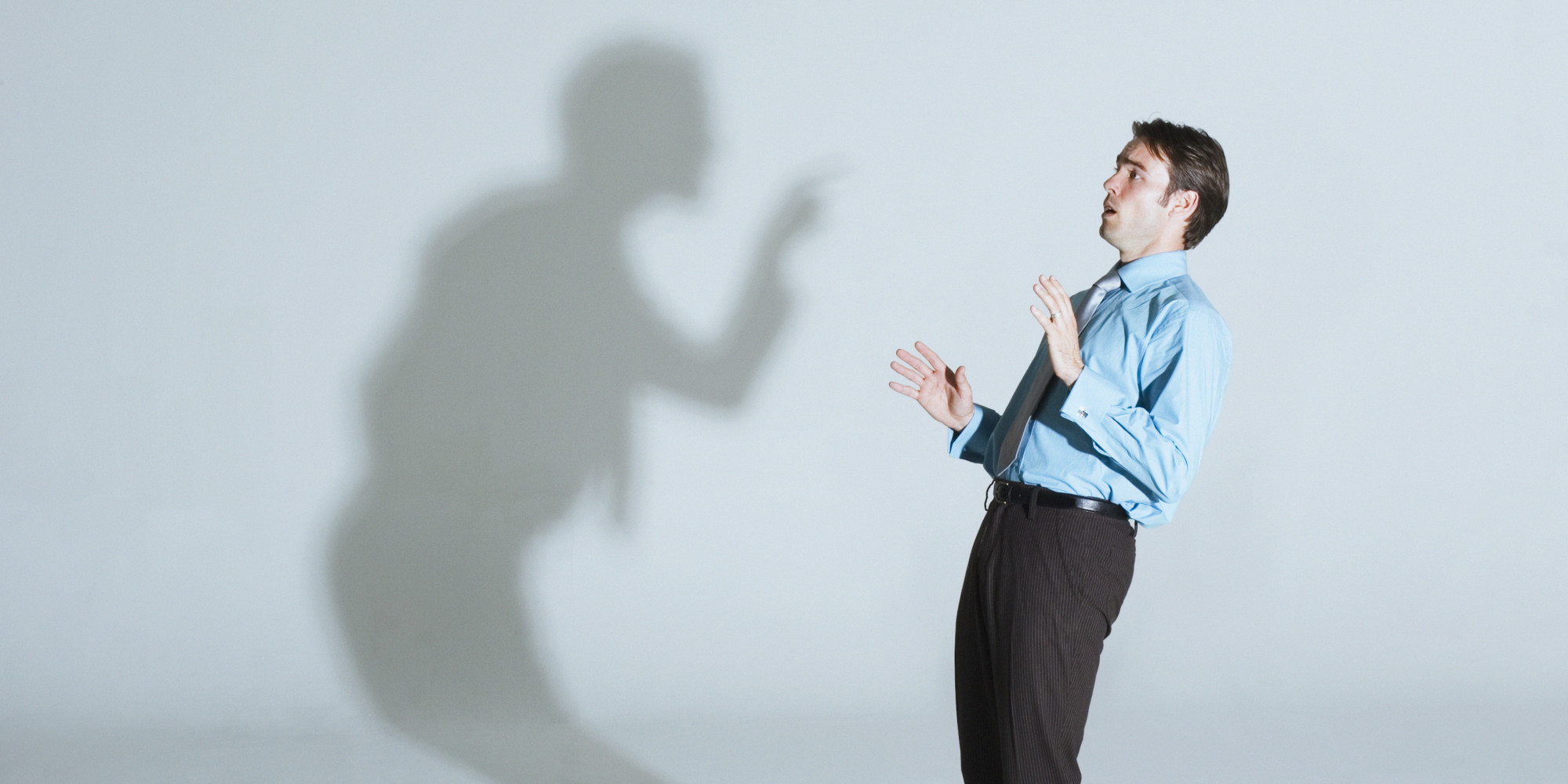
Most of the time we are really fearing the shadows from our past!


Lots of love
XX Paula


Thursday, 9 July 2015

What is your 'Inner Child'?

Please check out my video's on my Youtube channel or like my Facebook Page for parenting support and information XX 

Understanding why we all have an Inner Child:

What is an Inner Child?


We are very complex creatures us humans. Many theorists will talk about the concept of 'plural selves' or multiple aspects to us that make up our whole being. Gestalt therapy will teach you that we are the sum of all our parts - Gestalt means 'whole'. The term 'inner child' is a psychological way of labelling that 'part' of you that is your younger self. This part of you is the part that carries all your unprocessed childhood experiences, particularly the difficult ones. This is also the part of you that holds your imagination, playfulness, innocence and some would argue, your true identity before you were socialised (your authenticity).
Your inner child is often a very neglected part of you and is usually the part of you that you repress and is thus situated largely in your unconscious. That is because many of the memories you have as a child are still in a feeling state rather than an intellectual or cognitive (thinking) state. As actual children, our cognitions or thoughts are one of the last areas of our brains to develop. We are guided by our emotions and felt sense of the world. When experiences happen that we fail to understand and make sense of, we have no place to put them. We need someone to teach us about our emotions and what they mean in order for us to process what has happened to us. We know this now to be called 'emotional regulation'. 

Each time we experience something difficult and have no understanding of it or how to integrate it into our reality, we develop an emotional trauma. We then have a part of our childhood self that gets 'locked' or stuck in this point and time, unable to move forward from this. As we grow older, we develop many of these trauma's and as they are unconscious to us on a cognitive level, particularly the very early trauma's, they make up a part of us we have come to label 'The Inner Child'.


How does our Inner Child affect us?


Most of us have a basic knowledge of the unconscious. Freud coined this term and identified that we have drives, wishes, reactions and motivations that come from a place outside of our awareness. Our dreams are a good example of how our unconscious works. It is not something we understand. The minute we do, it has become conscious and within our control. Our unconscious may feel like that part of you that you feel 'at the mercy of'. Those feelings and reactions that appear to come out of nowhere. We call those 'triggers' (please read my blog on 'Emotional Triggers' to learn more). Triggers are like overreactions to put it simply. Everyone has triggers because everyone has unprocessed emotional baggage. Unprocessed emotional baggage is another way of looking at our Inner Child. Dreams and triggers, therefore, are an attempt to bring our unconscious into our awareness, particularly if this is something that has been at the foreground of our reactions. Our bodies are actually designed to heal not suffer. Most things we have termed suffering is actually our trauma re-emerging in order to alert us to areas that need healing. Unfortunately we often have to re-experience those difficult emotions such as shame, fear, anger, disgust and sadness in order for us to release them and heal these wounds. This is not easy and many of us develop many defence and coping mechanisms to resist this process. Most of the time we do this unconsciously.

These emotions come back up when we have been triggered by something in our present lives and therefore, as the trigger is often unconscious, we assume the experience has made us feel this way. We react to the experience in the present and repress what is really going on (without even knowing it most of the time). We then add the new experience to the trauma which reaffirms our false belief about ourselves and carry on until the next trigger emerges. There is no escape. Our triggers will continue to emerge and occur until we address the core experience and heal the wounds of the inner child. Most people are forced into finding help as life becomes more and more difficult. This is where you see mental illness developing, escapism such as substance abuse and addictions, broken relationships, inability to feel happiness and patterns that seem to repeat in cycles.

We are all unique


Everyone is unique and will be affected in different ways. This is due to a number of factors such as your level of emotional regulation and how you were attended to as a child on an emotional level. The level of 'attachment' you had with your parents or parent (the person looking after you) is also very important. This is the bond between you and your parent and the level of emotional safety and unconditional love and nurturing within this relationship you received. Your environment and stability in the home comes into play. Other traumatic experiences outside of your family may impact you as a child. Your personality and gender, your extended support and interactions, exposure to certain stimuli (TV, games, cultural practices, pets, activities etc) may also effect you. We are all made up of many layers, experiences and social influences/conditioning. Thus the more difficult your upbringing and personal experiences of situations, the more emotional trauma you will develop. The more experiences that have been left unprocessed, the more triggers you will have and the more wounded your inner child will be. That is why child abuse and neglect have such long term, harmful affects.


Childhood Emotional Neglect


Certain theorists and practitioners such as Dr Jonice Webb (author of 'Running on Empty: Overcome your childhood emotional neglect') will tell you that you can have childhood emotional neglect without child abuse but you cannot have child abuse without childhood emotional neglect. Basically it is possible to have childhood trauma without coming from what most people would term an 'abusive' family life. The reason for this comes from a 'lack' of emotional regulation where emotional needs have not been met to some degree. For most parents, this is not deliberate and it appears to be a cyclic process where parenting is generational and influenced by how people were parented. The emotional neglect transfers from generation to generation and people are largely unaware of this even occurring. Think about it, you can't know what you need if you have never experienced it and have no conscious awareness of how it 'should' be. With other forms of abuse, even emotional abuse, something is 'done' to you. You have something tangible to identify, to explore, to question. If you are unaware of emotional needs, you are unaware of the areas of struggle you may be faced with. Your coping mechanisms ensure that you are in resistance to your difficult and traumatic emotions and your emotional needs start to play out in present day experiences. You start to believe it is the present day experiences and your current relationships that are the problem and don't identify the root causes. Thus your triggers persist and patterns are formed and repeated.


Understanding your Inner Child is key for deeper healing and positive change


To end off I will leave you with these thoughts. Your inner child is not only made up of emotional trauma from childhood. This is also the part of you that is able to feel joy, happiness and freedom. This is the centre of your creativity and authenticity. To shut out and repress your pain is to shut out and repress these other parts of yourself too. The more cut off from yourself you are emotionally, the more unhappy and uninspired you will thus become. Some, like myself, believe that there are links between physical illness and unprocessed emotional trauma. There is growing research on the links between the mind, body and spirit (emotions); these parts of us are all connected.

Think of your inner child like an actual child. Children are free from social stress and pressure. They want to play and have fun. Children tell it like it is and react to their needs without talking themselves out of them. They honour their true feelings and do not see all the systems and categories we have constructed in our societies such as race, class, gender etc. They are pure of heart and innocent with a fundamental drive to trust and love. This is something inherent in each and every one of us. Many of us suppress this part of ourselves because of the trauma we have endured and the pain we experience when allowing this trauma to surface for healing. We are built to heal and in order to heal we need to work with our wounds. The more we run from ourselves, the more suffering we will endure. Often we become our greatest abusers and would never treat a child in the same way that we treat our inner child. The judgement, dismissal, ridicule, punishment and avoidance that we put our inner child through is often larger than we even realise. 


Always treat yourself with kindness, there are very relevant reasons why you behave and think in the way that you do. Give your Inner Child a voice and start getting to know this part of yourself. You may be surprised at just how beautiful and special you are inside! 

Much Love
XX Paula


Monday, 22 June 2015

Emotional Triggers: What are they and how do they affect us?

Please check out my video's on my Youtube channel or like my Facebook Page for parenting support and information XX 


Most people will have heard of the term 'being triggered'. How many of us actual understand what that really means? This blog is for everyone as we ALL have emotional triggers to varying degrees. It is especially important for parents to understand what these are as they will influence how you parent. The number one area triggers seem to emerge for us is within our relationships, particularly our romantic relationships. Today I am going to explain what triggers are, how they work, the impact they have on our lives and how we can recognise them so that we can gain control back.

What are 'triggers'?


Triggers can also be called 'overreactions'. This has a negative connotation though and doesn't do any justice to the impact these triggers can have on us. This goes a lot deeper than simply 'being dramatic' or'seeking attention'.  We have an overreaction to something in the present, absolutely, but the reason for this overreaction or trigger is very much in proportion to the feelings and associations in our unconscious that have been brought about by past emotional trauma. In other words: Something in the present that we have become upset about is unconsciously reminding us of an emotional trauma in our past. Rather than seeking attention,we are seeking to get our emotional needs met that have otherwise not been met in childhood.


Childhood Emotional Trauma:


Childhood emotional trauma is actually unavoidable, I hate to be the bearer of bad news. This is because children do not have the brain development to make sense of their worlds outside of feelings and emotions. The thinking part of their brain develops later on. If children do not understand certain emotions and are not taught how to handle difficult emotional experiences, they are unable to understand and work through what they are going through. This means that they have not been able to get their emotional needs met and the experience becomes traumatic. When our emotional needs are not met we unconsciously develop ways to cope with this difficult emotional experience. As children we are not equipped to find healthy ways to do this for ourselves so the behaviours and unconscious strategies we adopt to cope with our difficult feelings will often become hindering and even harmful to our well-being later on. We bury these experiences deep down in our psyche and are often completely unaware of the impact they are having on our lives. Things go wrong, relationships break down, we develop low-self esteem, become very hard on ourselves etc. and will often ask ourselves: What is wrong with me or why do I keep doing this?

Most parents do their best to meet their children's needs but it is impossible to fully meet every need as the child does not have words to explain what is wrong or what they want. Emotional needs are often far more difficult to identify as they are not commonly known. Most people know about physical needs and do a great job with these. It is. however, very important for parents to understand the concept of emotional needs too as this will determine how we see ourselves, the world and other people. Many people find it very difficult to view their parents in a negative light and I was one of those people too. It is one of the hardest things to admit this to yourself, that your emotional needs may not always have been met. By being an adult who makes mistakes it is actually unreasonable to presume your parents did not make some mistakes too. That is normal and human. That doesn't mean you have not been affected by them though and to turn things around and gain back control you will need to honestly look at yourself, how you react and behave and where this all began.

An example of an emotional trauma:


As a baby you were scared in your cot at night by yourself. You did not have the brain development to understand that your parents were in the next room and you started screaming and crying because you were afraid that you were all alone. Your parents may have believed in the technique of leaving a baby to 'cry it out'and self soothe - this was and still is a popular strategy and is seldom done with the intent to create harm. In fact parents often struggle with it but persist as they believe it is the right thing to do.
Babies run on survival instinct and they will instinctively know that they need someone to keep them alive. If no-one attends to their fear by coming into the room and comforting them, anxiety will be created. If parents are inconsistent and the child is not regularly attended to, this may create an emotional trauma around fear and their sense of safety in the world.

The Impact: If inconsistency persists in the home and fear is not properly regulated, the impact of this early experience will be greater. People are all unique and how this under regulated fear will present and become triggered later on will be dependent on many factors. These factors are likely to include things like: Your personality, gender, other past experiences, your home life and environment, your insight and awareness and many more.
Perhaps the person will become either extremely clingy and dependent or become so used to self-soothing that they become emotionally distant and unable to rely on other people. This baby may grow up to realise that she 'overreacts' when her boyfriend does not come home when he said he would. This original fear will often come out in the form of other emotions such as anger, frustration, jealousy etc. The reaction is actually happening because the unconscious mind is making an association between the fear from childhood and the triggered fear of her boyfriend not coming home (fear of abandonment). Regardless of how each individual reacts, deep down they do not feel not secure and trust was therefore not developed between child and parent around emotional and/or physical safety. Thus a deep set anxiety or avoidance is developed within us unconsciously.

 Triggers and abuse:


I have clearly stated that we all have triggers and will have struggles from time to time in certain areas. It is up to each individual to decide whether they are happy with how they feel, regardless of the hiccups along the way, or whether these patterns and reactions are creating problems and require change. Awareness of what triggers are and that they are linked to deeper set beliefs and experiences may be enough for some people to create some changes if desired.

There are many people who are very affected by their triggers and are at the mercy of their reactions. Often this comes in the form of blame. This can be to the point where their triggers are having a negative impact on their life and their ability to function and be happy and healthy,particularly within relationships. In other words these triggers may be causing harm or have become destructive. This is when we need to look a little deeper as this often comes from a place of  child abuse and/or childhood emotional neglect. The impact of emotional trauma is much greater when their are other forms of abuse and neglect occurring. This is often cyclic and parents who have been abused and have unmet emotional needs parent children based on their capabilities and what they have been taught.

Triggers play a large role in this as people who have abusive pasts will be triggered by their own trauma more regularly and extensively. This is due to the lack of trust in their past caregivers, the world and inherently themselves later on. The world becomes a frightening place deep down and life seems to be all about survival. Becoming a parent increases the risk of being triggered for many people and there will be regular reminders of their own emotional needs and childhood trauma.You will often find this with a reaction of anger and physical aggression. The child may bring on a sense of powerlessness and overwhelm to the parent. This trigger's the parents shame and in order to regain that sense of power, the parent lashes out in anger. This is one of many examples. Parents who have not been taught love will have a hard time showing love. Parents who have been shamed or put down or violated will  often have a hard time creating boundaries and structure. They may also have a hard time being fully present. Some parents create too much structure and become almost Draconian in their parenting styles out of fear of losing control.
Often triggers and the pain and discomfort they arouse will become too much for people and they will find a way to escape or self-medicate (substance abuse, addictions, dissociation etc.). It is not hard to see why people who have been abused often go on to abuse later on. Some children bully other children for the same reasons, they are desperately trying to gain back a sense of power and control.

How do we recognise a trigger?


We are all different and the best way to recognise a trigger is to look at your reactions in relation to the situation. I have put together a few key points to assist you with this (there are many more and these are some guidelines to get you started):

  • Look at how upset you have become and honestly ask yourself if this is proportionate.
  • Look at who or what has made you upset and ask yourself if this has happened before in a similar situation
  • Are you having physical reactions, if so, what are they and what emotion are they associated with
  • Are you under-reacting or feeling 'numb' or apathetic when you feel you 'should' be upset
  • Are you unable to let this go
  • Are you thinking negatively about yourself or other people
  • Are you feeling emotional or fragile
  • Do you want to withdraw or hide away from the world
  • Are you so angry you can think of nothing else
  • Are you struggling to calm down
  • Do you feel resentment towards someone for 'making you feel a certain way'
  • Are you feeling threatened despite no immediate threat
  • Do you feel as if this reaction is 'taking over'
  • Do you feel panic when thinking of a potential outcome
  • Do you feel disgust to the point of feeling sick in the stomach
  • Do you feel you need to fight hard to get your point across and be right
  • Are you worried about what people think of you

Making changes:


The best way to tackle a trigger is to recognize when it is happening and be brave enough to explore your feelings around this. The key to change lies in understanding where it has come from and how it is impacting you. Some people don't like the idea of looking back into the past and that is ok too. It will mean that although you will not be attending to the trigger and meeting those emotional needs (healing), you can still gain back a sense of control through recognition and awareness. 

Ask yourself: When have I felt this way before. Go as far back as you can remember. Learn about the emotions behind your triggers and make a point of meeting your own emotional needs. Allow the emotions to come. Soothe yourself instead of beating yourself up. If fear is at the heart of it, deliberately create safety and comfort yourself. If you are angry, find healthy ways to release this emotion (creatively or physically). If you feel shame and disgust towards yourself, be mindful or how you are thinking and treating yourself. Focus on your strengths and do things that make you feel good. If you are feeling sadness and sorrow or even despair, comfort yourself and be gentle and loving towards yourself. Take active and deliberate steps to attend to your own needs. Sometimes this means asking for help. Work on your communication skills. Be honest with yourself about what you need and start making plans to achieve this. Get some therapeutic support if you need to. You have the power to take the power back without causing destruction or harm to yourself or others.  

Remind yourself that when you are being triggered it is about YOU and your needs, not the situation. Therefore you will not find comfort in 'fixing' the situation, the answers to feeling better lie within XX

Take care,
Paula

You deserve peace of mind! 


Wednesday, 3 June 2015

What are the 6 Core Emotions and why are they important?

Please check out my video's on my Youtube channel or like my Facebook Page for parenting support and information XX 

What do CORE emotions mean?

Many of us have a bad relationship with certain emotions and will often experience them as negative or difficult. The truth is though, we all have them and each one of them is beneficial to us. Different theorists may argue on the exact labels and number of core emotions we humans have. What is seldom contested however, is the fact that there are certain emotions that ALL humans experience and have been experiencing throughout the ages and within all social, cultural and ethnic groups. I agree with the identification of there being 6 core emotions: Sadness, Joy, Anger, Disgust, Fear and Shame. Each of these emotions branch out into other associated emotions or feelings. We have many different ways of identifying with each emotion and the causes for each emotional reaction will differ between individuals and societies depending on beliefs and varying cultures. I know this all sounds a bit confusing. The bottom line is really quite straightforward, we are not so different underneath it all. We all FEEL. Our reactions are based on our emotions. Our thoughts and behaviours are very linked to our emotions. Behaviour is always a product of our thoughts and emotions.

As we grow up, our thoughts influence our emotions. We don't start out that way though. Our thinking or cognitions only start to develop after the first couple of years in childhood. Before we are able to think, we are driven by our emotions and sensory experiences of the world. This is why children are so genuine, innocent and straightforward. They are completely in touch with how they feel and react accordingly. Babies and toddlers all need similar things, regardless of their race, gender or environment. In fact, underneath it all, when it comes to emotions, adults also have similar needs. The problems lie within what experiences people have had in their childhood when attempting to get their emotional needs met.

Emotional Regulation:

This can be viewed as managing emotions. This is an extremely important part of parenting as it involves teaching children to identify and understand their own emotions. As mentioned above, children do not have the brain development to think about what they are feeling. They are unable to give it a name such as 'afraid' or 'angry'. They feel it in their body and react to these feelings instinctively. The role of the parent or primary caregiver is to help them understand what they are feeling and show them how to manage or cope with whatever they are experiencing. This is the same for all of the emotions, you are never expected to change how someone feels, especially not children.

It can be very difficult to accept that your child feels angry or sad or afraid. It can also be tempting to correct the child when YOU feel there are no justified reasons for the emotion. Emotional regulation is about validation. Teaching the child that it is ok to feel the way they feel and you will accept and love them through it. This displays unconditional love and teaches the child that they can trust themselves and how they feel. This will build up their self-esteem and confidence in the world. It will also enable them to value and love themselves. Having a healthy relationship with emotions will be the best gift you can give your children.

Every emotion is important and should be regulated and appreciated!

Anger:

Anger is a powerful emotion and is often felt when there is a sense of injustice towards yourself or someone else. Anger allows us to learn what our boundaries are and helps to keep us in check with how we expect to be treated. Anger helps us to defend ourselves and will alert us to our needs regarding fairness and respect. We often feel anger in our bodies in the form of tension and increased heart-rate. It is always good to pay attention to how you experience anger so that you may identify it early on, before it becomes overwhelming or harmful.


Some associated emotions and feelings for anger include:
Irritability
Frustration
Rage
Hatred
Tension 
Upset
Exasperated
Annoyed

Fear:

Fear is an incredibly important emotion as this alerts us to danger or threats to our safety. Safety does not always have to be physical, it can be emotional/mental too. We feel fear when we perceive something that has the potential to cause us harm. We feel fear in many different physical ways such as increased heart-rate, sweating, shaking, temperature fluctuations, tension, feeling sick or fluttery in our stomachs, tight chest or throat etc. People react to fear in many different ways.


Some associated emotions and feelings for fear include:
Worry
Stress
Insecurity
Instability
Nervousness
Jealousy
Cautious
Tentative
Anxious

Sadness:

Sadness is often a way of coping with loss of some kind. Loss can come in many forms and does not only involve a person or pet. When you lose something of value to you, this can bring about sadness. Sadness helps us to process this loss and grieve the change and pain this has caused so that it may be integrated into our world view or sense of selves. Sadness often involves withdrawal and internalising when experienced. Sadness can be felt in the body in many different ways such as a sense of feeling heavy, fatigued, tearful and emotional. 


Some associated emotions and feelings for sadness include:
Pain
Grief
Fragility
Upset
Lonely
Longing
Depressed
Anguish
Sorrow  

Disgust:


Disgust is an interesting emotion and lets us know what we don't like or can't bare to be around. Disgust can also occur when there is a sense of violation.  This emotion develops after the first 2 years. We often experience it in the forms of smells, certain tastes, textures and sights. Disgust repels us away from things that will often make us sick. We feel disgust predominantly in our gut in the form of sickness. People also pull a 'scrunched up' face that is very distinguishable for this emotion. Interestingly people who are blind also pull the same face despite never having seen it being pulled before (a natural reaction...). Some people literally are sick and may vomit if the disgust is intense. 


Some associated emotions and feelings for disgust include:
Repelled
Revolted
Violated
Repulsed
Nauseated
Horrified
'Grossed out'

Shame:

Shame is often confused with guilt. Shame occurs when a person feels there is something fundamentally wrong with them and who they are. Unlike the other emotions, shame does not have a positive purpose and itis important to teach your children the difference between 'doing' something wrong (guilt) and 'being' wrong (shame). Guilt can be beneficial as it alerts you to an action or reaction that has harmed or damaged someone or something. To feel shame is the opposite of self love and is the route of low self-esteem. Shame is created in childhood and is of caused by a lack of emotional regulation. Shame is often at the heart of mental illnesses. People often create many defences against this emotion on an unconscious level. The number one way it is experienced is when people hide who they really are for fear of 'exposure'. This can take many forms. Some people withdraw and hide, others lash out and become seemingly egocentric or angry. All people experience a great deal of internal strife with this emotion but it is not easy to recognise physically. 


Some associated emotions and feelings for shame include:
Humiliation
Embarrassment
Shyness
Guilt
Self-hatred
Loneliness
Emptiness
Powerlessness
Lacking

Joy:

Most people will understand this emotion to be 'happiness'. This is considered the most positive emotion and this is because it feels good. Happiness can come in many forms but it is identified by it's lack of internal strife and misery. This emotion denotes a sense of peace and calm, even if there is energy and excitement. The peace described is internal. Happiness is felt in the body in the form of energy, smiles, head held high, glowing/sparkling eyes, bouncing or having relaxed muscles. We feel the happiest when we are being our true selves and doing what we feel is right for us fundamentally. We can also find joy and happiness in relation to other people's joy. The catch: to feel happy is to have a healthy relationship with all the emotions so that you are not in resistance to them. Resistance to emotions prevents inner peace.


Some associated emotions and feelings for joy include:
Happiness
Excitement
Glee
Calmness
Peaceful
Tranquil
Euphoric
Blissful
Content
Uplifted

In a nutshell:

Many of us will have been under regulated in certain areas in terms of getting our own emotional needs met in childhood. This is not intended to create blame. This was not known in our parent's day and it is not common knowledge now. I am hoping to be a part of the solution to that and to inform you all about how important our emotions are and how vital it is to teach children how to manage them. Resistance to emotions is what causes the most suffering, not the emotions themselves. Somewhere along the way we have been taught that certain emotions are negative and that feeling pain or fear is wrong. So many motivational quotes will tell you not to feel your fear or anger. They will tell you to focus on the positive and ignore the past. The truth is, the past doesn't go anywhere and neither do these needs. We just develop ways of coping which often cause us more harm in the long run.

I will attach a video from my Youtube channel which gives you a great activity to teach emotions to your kids. Please feel free to ask questions or comment below. You can also email me personally at tacklethefeelings@gmail.com.

I hope this has been helpful!
XX
Paula


Tuesday, 2 June 2015

A easier way to understand 'Childhood Development', 'Emotional Regulation' and 'Attachment' in Parenting

Please check out my video's on my Youtube channel or like my Facebook Page for parenting support and information XX


No child is born 'evil' or 'bad'. Despite many people out their believing otherwise, the very tough home truth is that children are a product of learning or circumstance. This is something I believe with my whole heart and if no other message goes through, let it be this one! If you were told something awful like that as a child...it is not true. Simple. What isn't simple, however, is understanding why children develop behavioural problems, or behave in ways that are associated with our idea's of 'bad'. I thought the best way to go about this would be to explain some of those fancy phrases or terms such as 'attachment', 'emotional regulation' and 'development' in a way that is easy to comprehend and apply to your own lives.

DEVELOPMENT

I will start with development as most people know about this to some degree - if for no other reason but because we have all progressed through early development ourselves and continue to develop throughout our lives. When development is mentioned in relation to children, it is about how a child is growing, learning and reaching milestones specific to a rough age group. Theorists such as Freud and Erikson (the 2 that spring to mind the most for me) and many others have attempted to create comprehensive 'stages of development'. I wont go into what their theories are in this forum but I will discuss this concept of developmental stages a bit as it can become a great source of stress for parents, particularly if your child is said to be 'delayed' or 'immature' for their age.

There are many theories but none of them are absolute and rigid. These milestones are meant to act as a guide. Children should start to teethe, walk, talk, make associations etc around certain ages. Some children advance in some areas and take longer to develop in others. This is normal. Your child is unique and special and should be assessed as an individual, the same as adults. Some areas require more effort and support than others on the part of parents and educators. Children are often put through assessments at school in their early years in order to assess for readiness to move up to the next grade or level. Ideally this is done in order to support the child, not to criticise and pass judgement. That said, many people do feel judged and finding out your child is behind can be quite confronting for parents. For the most part,delays in development are not an indicator of disability, slowness, lack of intelligence or underlying issues. Often it is about being flexible and understanding that your little nipper is constantly learning and their brains are still developing. Children are each exposed to different stimuli, experiences and learning opportunities and the rate at which this learning takes place is going to differ slightly for each child.

When to be concerned:

With everything, it is always good to consult with a professional if you notice areas of struggle or delay that are worrying or substantially different from other children their age. Keep talking to your Doctor and keep yourself informed about what milestones to expect from what ages so that you are able to align your expectations with your child's capability. When professionals assess a child for abuse, often these developmental stages act as a guide for abnormal behaviour. An example would be a child who is being abused may regress or halt development in certain areas like speech. Teachers should hopefully pay attention when children who are, for example, 3 years old and have not started forming words or sentences yet.

EMOTIONAL REGULATION

This is something that you may actually know about on a basic level. We need to teach children about emotions and appropriate ways of expressing them. This is something most parents do naturally. Emotions are learnt through modelling (children watching you and your emotions) as well as through validation, which is when you reinforce their emotional experiencing by acknowledging their feelings. If you try and hide emotions from children it can actually be more harmful than protective because young children are more in tune with their intuition and senses than with thoughts and reasoning. They will pick up on your emotions and react to them. Being appropriately transparent is a great way to teach your children about different emotions and take away the fear surrounding the more negative emotions such as anger and sadness, I want to stress that you do not need to be transparent about your problems and the reasons you are feeling a certain way, adult problems should not burden children. What you should do, however, is explain that you have an adult problem and it is making you feel sad or angry or frustrated. If you are crying, explain to the child that you are crying because you are feeling sad etc. It is a parents job to familiarise and support children through their emotional experiencing so that they can feel comfortable in their reactions and do not feel guilty or ashamed of 'how they feel'. I find it is easier to teach children about emotions like you would shapes, colours, the alphabet and other common lessons. Associate emotions with colour and ask children to match different emotions to the colours they think represent the emotion. There are many lovely activities to help you with this but the best way is to lead by example.

What happens when a child's emotions are not regulated?

Due to the sheer enormity of child abuse and mental illness, this is an area that is strongly backed up by research although the negative effects of insufficient emotional regulation have been known to many frameworks of psychotherapy and psychology for years. Within child abuse literature and laws, neglect has been proven to be just as harmful, if not more harmful in some cases, than physical abuse. The reason is due to this regulation of emotions and attachment (which I will chat about shortly). Neglect is not simply about not playing with your children or not giving your children constant attention. It is about failure to help them develop and learn, failure to build up their strengths, failure to validate them as human beings and failure to normalise their experiences and teach them that feeling emotions is normal and not to be ashamed of. Safety is not only about a physical environment. Children need to feel like they can make mistakes and will still be loved and accepted. They need to be able to have trust in the people caring for them and they need to be able to ask questions and learn how to manage their feelings appropriately so as not to harm themselves or others in any way.
Going back to my initial statement of children not being born bad or evil, this is a prime example. Children do not have the mental capacity and ability to process their feelings and articulate their needs like adults can. That does not mean they do not feel the same emotions, it means they often are unable to understand them. Children who behave in challenging ways are often acting out their emotions due to a lack of a better outlet or guidance. They are attempting to get their needs met. Discipline and structure are important here, not in terms of punishment, but in terms of safety and boundaries. When you punish a child for expressing their emotions inappropriately, it is important to spend some time teaching the child more appropriate and healthy ways to react without shunning the emotion itself. ALL EMOTIONS ARE IMPORTANT and serve a purpose.
If a child has never been taught how to understand their emotions they will struggle in life to various degrees. The child may go on to develop low self-esteem, mental illness such as anxiety, depression and in extreme cases, more serious mental illnesses such as Borderline Personality Disorder. They will most likely struggle to have healthy relationships and may struggle to handle stress in life. As they have not been taught that certain feelings are normal in certain situations, they will have to work all of this out for themselves along the way. This will mean that they will struggle to feel confident in their reactions and may feel out of control and easily overwhelmed. A good example of a child not having their emotions regulated is when the primary caregiver has mental illness, lets say depression, and struggle to feel their own positive emotions such as joy and excitement and thus are unable to model these to their child. The child may race home with a gold star only to be met with a half hearted smile. The child may become confused and mistake this reaction for a mistake in their own feelings 'this gold star is not something to be excited about'. That lesson will be learnt and the child will be left with confusion. Later in life the child may go on to find that they are unable to recognise joy and excitement.

ATTACHMENT


This ties into both development and emotional regulation and stems from 'Bowlby's Theory of Attachment'. It is about the relationships and emotional bonds
that are formed  between people. Children will form an attachment to their primary care giver, usually the mother figure. This is different to other relationships of friendship and romantic attraction/love. It is a deep relationship requiring trust and a sense of belonging where the person creates a bond that is extremely influential to their sense of being in the world. The earliest attachments in childhood are the most important and impact behaviour, self-esteem and self reliance and have a lasting impact throughout the child's life. To have a secure attachment, your child will learn that you love them unconditionally and will be dependable and reliable. Again, many parents do this naturally by meeting the infant's needs, accepting the child's mistakes, spending quality time with the child, creating structure and safety and routine in the child's life, teaching the child continuously, being patient, showing and expressing love and guiding the child through challenges.

When the attachment is not secure: 

This can happen for a number of reasons, namely, it happens when a primary care-giver is not consistent or does not create this bond effectively with the child. Inherently, it happens when the child's needs do not get met (physical, emotional and other). If the child continuously receives mixed messages, they will become confused and will not feel secure. This happens when a parent is abusive and the child is never sure how the parent will react. It can also happen when a child is neglected or left to fend for themselves in some way. It also happens when the child's emotions are not regulated. Not having this security can lead to a range of issues down the track for example they may be unable to form healthy relationships, either becoming too dependent or too avoidant, unable to feel secure in a range of areas within their life. Thus this impacts self-esteem and confidence. Some people may go on to suffer from various forms of mental illness, similar to a lack of emotional regulation.

Some final words:

As a parent it is your job to teach your child how to believe in their own ability and experiencing. It is important to take care of yourself so that you may take care of your child. The best way to teach a child is to lead by example. I hope this has not created fear in new parents, it is not meant to frighten and scare, rather to inform. Love your children, treat children like children and don't expect children to deal with adult issues. Children learn best through play and through modelling so remember, live by example and do not use your children to meet your needs, it should be the other way around. There are no rule books and formula's, you will mess up more than once and that's ok. It is how you handle the mistakes that count in the end. Dr Phil always says 'it takes a hundred atta boy's to make up for one criticism. Never call your child names like stupid, useless, bad, hopeless etc, they will believe you and take this on board. Always punish the behaviour not the person. Your behaviour is naughty not you are naughty. Take time to explain why you are angry or upset with them, let's get rid of the 'because I said so' and replace it with a solid response 'mummy wants to keep you safe and so the answer is no'. Encourage questioning and exploration and encourage tolerance and love!

Those are my thoughts and I encourage you all to keep learning about this and find ways that work for you and your family.

XXX
Paula