Latest Photos

Showing posts with label fear. Show all posts

Tuesday, 28 July 2015

Burn out! The hidden epidemic.

Please check out my video's on my Youtube channel or like my Facebook Page for parenting support and information XX 


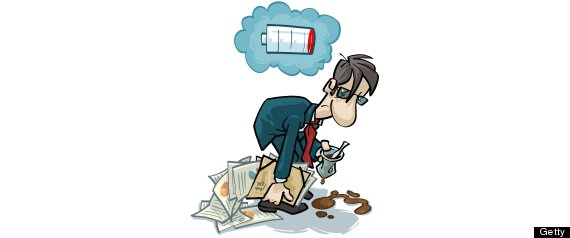
What is burn out?


Most of us know this term and have a basic understanding of the impact 'burning out' from work can have. I want to create some awareness today based on my own experiences of this predicament. I also want to highlight that burn out can occur in any situation, not just at work. You don't need to be a therapist or paramedic to experience it. You don't even need to be doing anything society would deem as high risk work. Burn out is more about you than your environment. 

Burn out occurs when you become triggered and overwhelmed consistently. I believe it creeps in gradually and grows as you continue to brush aside the warning signs. The less support you receive, the worse it becomes. The more toxic your environment, the worse it seems to impact you. 

Imagine a Pressure Cooker:


The way I would describe it would be to imagine a pressure cooker. All the ingredients inside the cooker are representative of your responsibilities and stress. They are all added as separate ingredients. You start off with control, cutting, peeling, preparing, tasting, seasoning and adding as you go along. You have an idea of what you would like this stew to turn into. You have an idea of what you like, what you don't like and take other stews you have made before into account. You also aspire to create a stew you have experienced someone else make before. You may even be following a recipe. Similarly to your life stresses, responsibilities and experiences, you can identify each part and it feels manageable as you add it into the pot of your life. You make an educated guess as to how much you can fit into the pot and you keep adding, keep adding, until you have cram packed as much as you can into the pot. You attempt to give it a stir to blend it but feel satisfied that if you leave it simmering, it will reduce and become cohesive. You secure on a lid and leave it simmering below the surface. 

This is a metaphor for what so many of us do with all the little stresses, problems, emotions and pressures in our own lives. We are all so busy and the world expects us to put one foot in front of the other at a growing pace. I hear the saying 'I can't afford to dwell on this' over and over again. We take on board so much information. We repress emotion after emotion. We get angry but hold it in. We 'can't afford to' get angry with our manager/boss/colleague. We feel tired but we 'can't afford to' rest, the kids need feeding, I have to do the shopping, I'm running out of clean underwear, my friends want to see me, I am behind at work... The list goes on. We push down our resentments, our hurt feelings, our fears, our irritations, our jealousy, our annoyance, our grief, our pride. We ignore our gut feelings and opt for things that we think we 'should' be doing. We criticise ourselves when we don't meet our own expectations or those of other people. We berate ourselves for how we look, mistakes we make and just about anything that we feel is 'not good enough. These are all ingredients we unknowingly add to the pressure cooker.

The steam starts to whistle:


The pressure is on, the lid is sealed and the heat starts rising. The pot is like our bodies and the lid is like the walls we put up to lock all our internal pressure inside us. It starts to feel explosive. The pot starts to feel too small, too constricting. The biggest indicator of burn out is a feeling of pressure. This pressure becomes harder and harder to bare. Steam is released violently through the tiniest hole and keeps the pot from exploding. 
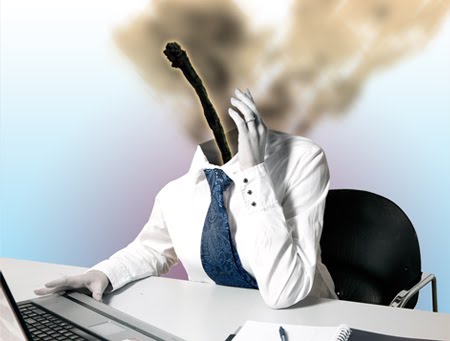

When we are starting to burn out, we also release small amounts of pressure each time we reach exploding point. This can come out in many different ways. We may snap at our loved ones, scream at the TV, burst into tears over the smallest thing or throw something against the wall. We may find we feel certain emotions at the drop of a hat and feel really sensitive, taking so much personally. We may start finding tasks that once seemed easy have started to feel like a hike up Everest. We may start losing interest in things we once considered fun and don't feel much like socialising. We may feel drained and fatigued, even at the thought of doing things.We may struggle to sleep at night or find ourselves restless and waking up regularly. The pressure feels so overwhelming, the best way I can describe it is a 'feeling of wanting to run away, avoid it or escape in some way'. People who aren't able to literally run away may find escape in substances and addictions. It is ALL consuming, this pressure sits with you day and night.

Why does it get so bad?

This is easy to answer but not so easy to do. We are scared to take the lid off the pressure cooker. We fear an internal explosion as much as we fear the rush of burning steam in our face if we take the lid off when it feels this way. It feels like a lose lose situation. You want relief but you don't feel the release will be a relief. You feel trapped, desperately clinging to keep the lid on. The best way to keep the lid on but reduce the pressure...stop adding anything more in. You seem to come to this conclusion unconsciously while you consciously beat yourself up for not being able to handle the pressure. Your body, mind and emotional experiences SLOW DOWN. You are simply unable to cope with too many tasks. Many people have no choice but to stop working altogether. This is not a choice, it is a necessity. Your body and mind go into a state of survival. Your physical and mental presentation forces you into respite whether you like it or not. Your emotions are in control, emotions you don't understand and feel at the mercy of.
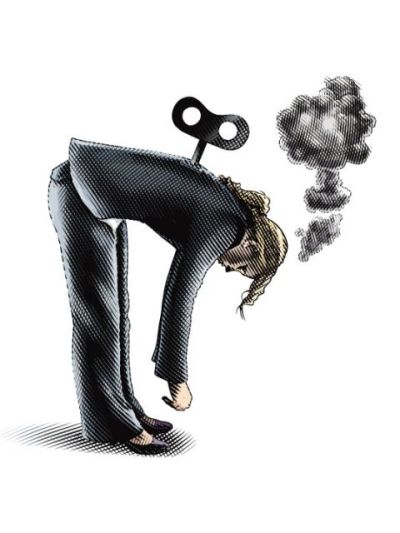
Survival = Fear


When you look more deeply at this survival reaction and state of being, you can see the core emotion 'fear' at the heart of it. Overwhelm, worry, stress, anxiety, jealousy, pressure, insecurity etc, are all associated emotions of fear. The heart of burn out must therefore have a base line of fear. The one associated emotion I didn't mention, that is not as obvious, is safety. Emotional safety. When I said burn out is more about you than your environment, that is what I meant. It is about safety. People who have had fear regulated in childhood will cope better with external stress. Whether it means resigning from a toxic job, asking for help, standing up for yourself, or taking care of yourself better, those people who have a healthy relationship with the emotional experience of fear will open that pressure cooker lid and release the steam and pressure. They will find a way to lower the heat. They will be able to find a way to see the situation as separate from who they fundamentally are. The only thing standing between you and the release is a fear of fear itself. Go figure!


Put your needs first, always!


Many people will cringe at this heading and think I have lost my marbles. I am talking about emotional needs. These should never be compromised. Emotional needs are not the same as your expectations on other people to make you feel good. No, emotional needs are from your childhood. They come from your inner child who has been emotionally neglected in some areas. You have unprocessed emotional trauma's and these come out in the form of triggers and reactions. When something in your current environment triggers you emotionally, your child self reacts to that original trauma. As you are unconscious of this, it feels too large, you want to bury it back inside. Put it back in the pot and hope it boils away on it's own.

Burn out happens when you can no longer hold in all the pressure.  It takes so long to recuperate from because you are dealing with layers of trauma, past and present. The more you stay in a place of external blame (as a victim), the longer it will take. The more you ignore your reactions to the pressure and continue to plough ahead anyway, the more of an impact it will have on you. To identify your needs you have to get real with yourself. You have to ask yourself some difficult questions. You need to be willing to feel the burn of the steam. You need to find a way to trust your own inner resources to cope with your own difficult emotions. You are stronger than you may think. The fact that you think you will crumble is a lie you have told yourself because no-one has told you otherwise in your childhood. Fear is not your enemy. No emotion is harmful.

Stop the stigma, Burn out is MASSIVE!


Burn out affects you on just about all levels. Not just in your body, mind and emotions but it gets into your relationships, your ability to function, your health, your self perception, your parenting, your focus and your dreams. It is a serious condition and is minimised in many work situations and circles. People who have not experienced it do not understand how bad it can get. It almost wears a label of 'weakness'. I believe this occurs in the same way triggers do. It is seen as an overreaction and this is seen in a negative way. People are judged because of their inability to cope with otherwise 'easy' or manageable tasks. This further compounds the problem.

When I experienced burn out, I was working at an organisation that understood the risk of burn out on paper. As an individual, however, I was treated as the problem. I was making mistakes and failing to keep up with tasks I would normally be able to do. I was not met with support. I was met with criticism. At one point I was being called into my manager's office once or twice a week to be reprimanded. I would have walked out and run a mile if it hadn't been for my client's. I didn't listen to my gut and pushed through extreme levels of anxiety in order to complete tasks and close my cases (I worked right up until the end of my contract). That is probably why people in my industry or any industry that works with vulnerable people experience higher levels of burn out. We find it hard to walk away or put our own needs first. 


Looking back:


Looking back, I needed to leave and heal my own trauma. I was being triggered every single day. I was unable to process what was going on for me and was using all my energy on my clients and the families I was supporting. I was becoming a shell of myself. I was extremely angry, especially when I was being criticised for something I was unable to help. I was angry at the lack of support, compassion and understanding I received. I was, and needed to be for a time, seeing myself as a victim.

As I healed, I learn't a lot about my own responsibilities. I realised I was cut off from myself. I placed the job ahead of my health. I didn't look after myself enough and I judged myself more than anyone was judging me. I had fast become my own abuser. It took me a long time to heal and I have made a number of changes because of this. I no longer see this as a bad experience, rather I see it as a very powerful learning experience. I will never allow myself to reach this point of burn out again and you guys don't have to either. Put your needs first, always! Life is too short to put yourself at risk in this way. The earlier you recognize the signs, the more time you have to get yourself out safely and with minimal impact. 

Take Care,
Paula XX  


Sunday, 19 July 2015

My Evolving Relationship with 'Fear'

Please check out my video's on my Youtube channel or like my Facebook Page for parenting support and information XX 

I have felt a need to share some of my own experiences with the emotion 'Fear' today. It has been something that I have been actively processing, working on and making sense of for a number of months now. There are many experiences and variations of this emotion in my own life and in the lives of those closest to me and it is certainly not an easy emotion to get my head around. That said, which ones are!

We struggle to admit to our deep set fears:


One common theme I am starting to see more of is a fear of fear itself. Anyone who has read some of my earlier writing will know that I have lived with Anxiety for most of my life. I am pleased to say that I have healed from this in so many ways and I am at a point in my life where I am able to use my own experiences to conceptualise how I would like to work as a psychotherapist and practitioner but also in my personal life. 

Anxiety is a fear based disorder. I have unpacked so many of my deep set fears and this has been a gradual and difficult process. Fear comes out in the form of instability, insecurity and worry amongst other things. We do not live in a world that accepts these traits, let alone help you with them. Many of you, like me, will have shame attached to your fear. This is because we were shamed for feeling fear as children. We were either dismissed, ignored, left to soothe ourselves or our emotions were unintentionally unattended to.
We may have had parents that tried to change how we were feeling and would say things like 'you have nothing to be afraid of' or would distract us from our emotional experience. The very act of our fear being stomped out and not processed often creates shame. The way the world seems to repress emotions shows me that unless something changes, we will continue down this path without realising it. This is shown to me time and time again. Unfortunately we seldom get our needs met by other people when we are feeling scared, insecure or unstable. We often don't meet other people's needs when they feel that way too. The shame associated with our fear means that we often feel like fear is a weakness or embarrassing. We feel that we are going to be seen in a negative light for admitting to our vulnerability and insecurity. The truth is though, this often is the case! So many of us have an unhealthy and avoidant relationship with fear. This stems from childhood.

My personal discovery:

Throughout my healing journey I have been piecing things together. I have been trying to make sense of my patterns, behaviours, feelings, reactions, memories and triggers. I have been exploring and re-experiencing my emotions predominantly through inner child work processes. I have had to admit that I, like most people, have fallen prey to childhood emotional neglect. This is something that has run through many generations in my family. Emotional regulation continues to be a rather foreign concept and was certainly not known in my childhood growing up in South Africa. My mother had much of her own emotional trauma, so did my grandparents. No one taught any of us how to cope with difficult emotions such as fear. Strength and courage were applauded traits in my family, which is not a bad thing in the slightest. The problem comes in when the interpretation of strength comes to mean an 'absence' of fear. This is a false belief and one many people hold. This belief, in my opinion, is one of the most destructive forms of thinking we have. It creates an unhealthy relationship with this emotion and people develop a deep set shame because fear is unavoidable. It is one of our core emotions, we all experience it!
Fear builds up and is experienced in many different ways!


Well intentioned deception: 


I personally had a mother who liked to tell me that everything was OK and I had nothing to worry about. Looking back, I knew full well that this was not the case. I have been remembering many occasions where I have picked up on the stress and hardship in the home. I knew we had financial struggles. I knew my mother found it difficult to cope. I knew that my mother felt bad about herself. I knew that my uncle had gone missing on a sailing trip to Portugal and that my mother was staying up all hours of the night calling the Red Cross in various parts of the world. I could hear my mother and grandmother cry. I knew something was horribly wrong. I knew so much more then my mother could possibly have imagined. If I tried to express my worry, I was 'reassured' that everything was OK and there was nothing to worry about. This seemed to be a trend.

This continued throughout my childhood and into my teenage years. My mother continued to deteriorate under a pressure she refused to acknowledge to me. Our financial situation was dire and it was extremely obvious. There is nothing like no petrol in the car to drive this point home (excuse the pun). My mother was unemployed and shutting herself off from the world. Instead of attending to my fears and providing reassurance, validation and inclusion, she hid from the world. She taught me how to do the same in so many ways. This was her shame. She was frightened and was too embarrassed to ask for help, especially from my grandparents.  My grandmother refused acknowledge how bad things were for us and tried to motivate my mother by being critical. Thus my mothers' fears were punished due to my grandmothers fears. No one had any control, least of all me. It was no wonder I developed an Anxiety disorder that manifested in the form of needing to control my environment and struggling to trust other people. My environment was riddled in a survival based fear from the get go. I was never taught how to process my fear, I carried it inside me and it started to grow and permeate all aspects of my being as the years went on.

I learnt that the only person I could rely on was myself:


I developed a severe and unconscious problem with trust. I over compensated for this in ways that made me out to be overly trusting. This was such a good deception I even had myself fooled. It was a coping mechanism for my shame as we seem to do everything in our power to hide the truth when coming from a place of not feeling worthy or as if we are different from everyone else. The truth was though, I was let down again and again, particularly in my personal relationships. The love I experienced always felt extremely conditional. In many ways it was but this was partly due to the fact that I was not being true to myself. The self love I had was almost non existent. What love I did feel towards myself was the most conditional of all.

I let people down too. I valued honesty on the surface but deep down my inner child laughed at this concept. The world is unsafe she said to me. People will abandon you, they will dismiss you, you need to act a certain way in order to keep people in your life and on your side. Due to this childhood trauma around my fear, I developed the belief that people only liked me for what I could do for them in their lives. I had no money or nice things. I did, however, have a real knack for helping people with their personal problems. I was an excellent shoulder to cry on and ear to listen. I became the resident Agony Aunt. Good thing I love this role, in fact I chose to make this my profession. The problem was though, I never felt as if people liked me for me. In certain friendships and many romantic relationships, this was certainly the case. This was one of the hardest realisations I have had to face up to. The more I learn about myself,the more I realise that people couldn't have liked me for me because the real me was very lost. I didn't even know who I was outside of my practical identity (student, daughter, female, loves cats, has a sense of humour etc). The fear was so ingrained and I was so conditioned to act a certain way or I feared I would be ostracised or lose my sense of belonging in the world. It felt like the only person I could truly rely on in the world was myself. I struggled to trust anyone and still do if I am to be honest. I find it very hard to let people truly help me, especially emotionally. 

Fear is not and has never been the enemy:


I have called this blog 'My Evolving Relationship with Fear' because my understanding of my fear is continuously evolving and transforming. If I had to go into all my childhood issues we would be here for a year. From fear of the dark to fear of snakes to fear of being alone...I had many. We all do. Children are experiencing the world for the first time and fear is a natural part of this. Fear is not a bad emotion at all. Our reactions and resistances to fear are what cause us hardship and struggle. It is our experience in the world that determines what we find threatening and frightening. The less we are attended to emotionally, the more we will struggle to feel safe in the world. The more our emotional needs are not met, the less skills we will have to cope with life's challenges and the less self esteem and self trust we will have.

One thing I have recently thought about is my fear around very real danger. Living in South Africa with an extremely high crime rate means that safety is a very physical reality to this day. My house was not very safe and we didn't have much security in place. My mother had a responsibility to keep me physically safe and in this area she was unable to, predominantly for financial reasons. I lived with a high level of genuine and relevant Anxiety on a daily basis and in the end, my worst fear came true and my mother was murdered in our home. One could argue that the fact that my mother dismissed my fears and ignored her own had tragic consequences. Fear is often there to alert us to harm and danger. That is how it has been designed. As a child we are powerless to gain control in terms of our living environment. This feeling of powerlessness is where the link to shame comes in.

Emotions are here to benefit us, not make us suffer!


We become so cut off from our difficult emotions that we lose touch with the benefits of them. We turn off our internal guidance system that is really the basis of our authenticity. We cannot be our true selves without having a relationship with our emotions. We can't pick and choose what emotions we feel, this creates a mask that will end up making us sick and impacting our relationships. Most importantly though, we cannot have a positive relationship with ourselves and who we genuinely are without having a relationship with our emotions.
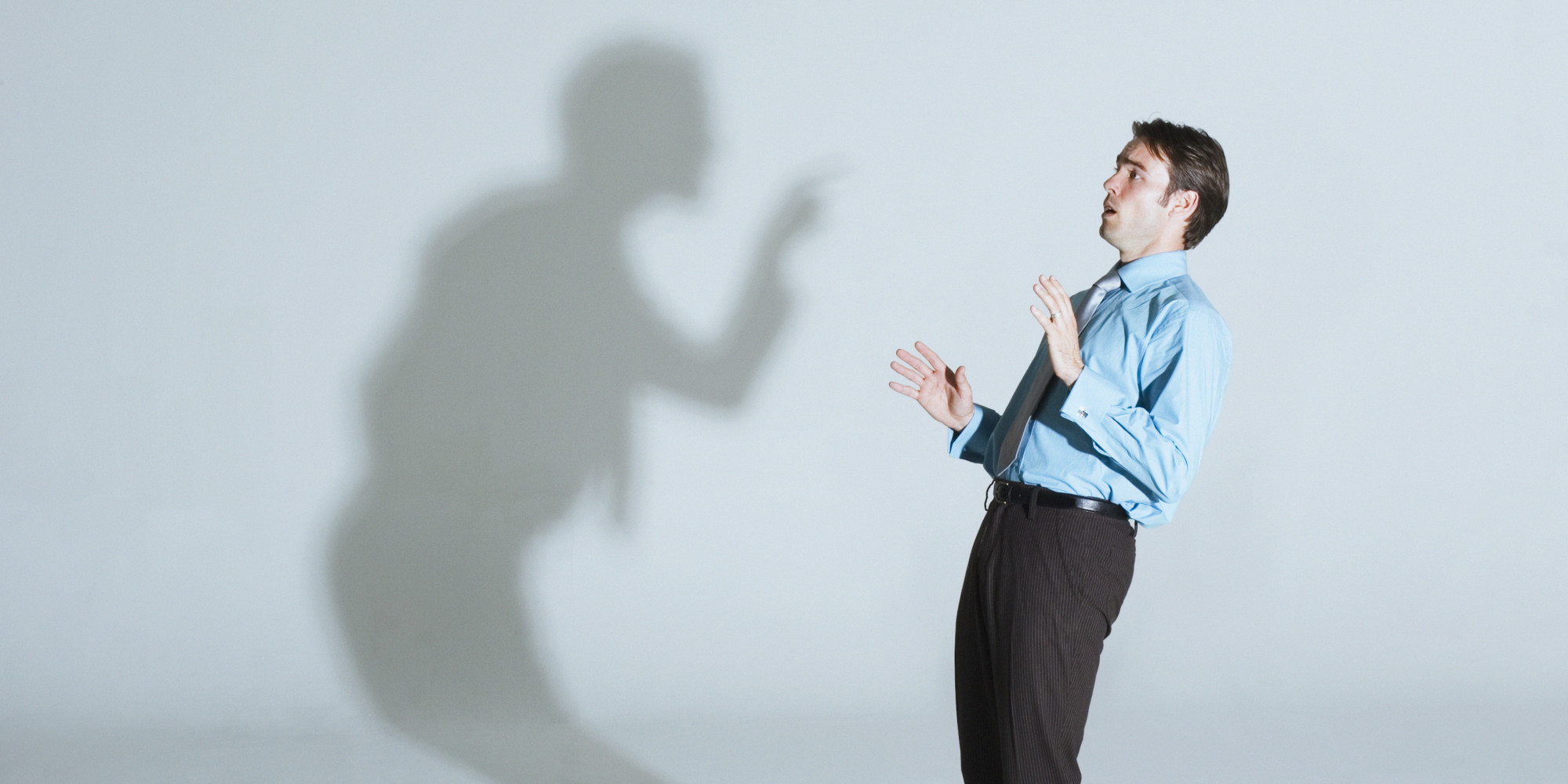
Most of the time we are really fearing the shadows from our past!


Lots of love
XX Paula


Monday, 22 June 2015

Emotional Triggers: What are they and how do they affect us?

Please check out my video's on my Youtube channel or like my Facebook Page for parenting support and information XX 


Most people will have heard of the term 'being triggered'. How many of us actual understand what that really means? This blog is for everyone as we ALL have emotional triggers to varying degrees. It is especially important for parents to understand what these are as they will influence how you parent. The number one area triggers seem to emerge for us is within our relationships, particularly our romantic relationships. Today I am going to explain what triggers are, how they work, the impact they have on our lives and how we can recognise them so that we can gain control back.

What are 'triggers'?


Triggers can also be called 'overreactions'. This has a negative connotation though and doesn't do any justice to the impact these triggers can have on us. This goes a lot deeper than simply 'being dramatic' or'seeking attention'.  We have an overreaction to something in the present, absolutely, but the reason for this overreaction or trigger is very much in proportion to the feelings and associations in our unconscious that have been brought about by past emotional trauma. In other words: Something in the present that we have become upset about is unconsciously reminding us of an emotional trauma in our past. Rather than seeking attention,we are seeking to get our emotional needs met that have otherwise not been met in childhood.


Childhood Emotional Trauma:


Childhood emotional trauma is actually unavoidable, I hate to be the bearer of bad news. This is because children do not have the brain development to make sense of their worlds outside of feelings and emotions. The thinking part of their brain develops later on. If children do not understand certain emotions and are not taught how to handle difficult emotional experiences, they are unable to understand and work through what they are going through. This means that they have not been able to get their emotional needs met and the experience becomes traumatic. When our emotional needs are not met we unconsciously develop ways to cope with this difficult emotional experience. As children we are not equipped to find healthy ways to do this for ourselves so the behaviours and unconscious strategies we adopt to cope with our difficult feelings will often become hindering and even harmful to our well-being later on. We bury these experiences deep down in our psyche and are often completely unaware of the impact they are having on our lives. Things go wrong, relationships break down, we develop low-self esteem, become very hard on ourselves etc. and will often ask ourselves: What is wrong with me or why do I keep doing this?

Most parents do their best to meet their children's needs but it is impossible to fully meet every need as the child does not have words to explain what is wrong or what they want. Emotional needs are often far more difficult to identify as they are not commonly known. Most people know about physical needs and do a great job with these. It is. however, very important for parents to understand the concept of emotional needs too as this will determine how we see ourselves, the world and other people. Many people find it very difficult to view their parents in a negative light and I was one of those people too. It is one of the hardest things to admit this to yourself, that your emotional needs may not always have been met. By being an adult who makes mistakes it is actually unreasonable to presume your parents did not make some mistakes too. That is normal and human. That doesn't mean you have not been affected by them though and to turn things around and gain back control you will need to honestly look at yourself, how you react and behave and where this all began.

An example of an emotional trauma:


As a baby you were scared in your cot at night by yourself. You did not have the brain development to understand that your parents were in the next room and you started screaming and crying because you were afraid that you were all alone. Your parents may have believed in the technique of leaving a baby to 'cry it out'and self soothe - this was and still is a popular strategy and is seldom done with the intent to create harm. In fact parents often struggle with it but persist as they believe it is the right thing to do.
Babies run on survival instinct and they will instinctively know that they need someone to keep them alive. If no-one attends to their fear by coming into the room and comforting them, anxiety will be created. If parents are inconsistent and the child is not regularly attended to, this may create an emotional trauma around fear and their sense of safety in the world.

The Impact: If inconsistency persists in the home and fear is not properly regulated, the impact of this early experience will be greater. People are all unique and how this under regulated fear will present and become triggered later on will be dependent on many factors. These factors are likely to include things like: Your personality, gender, other past experiences, your home life and environment, your insight and awareness and many more.
Perhaps the person will become either extremely clingy and dependent or become so used to self-soothing that they become emotionally distant and unable to rely on other people. This baby may grow up to realise that she 'overreacts' when her boyfriend does not come home when he said he would. This original fear will often come out in the form of other emotions such as anger, frustration, jealousy etc. The reaction is actually happening because the unconscious mind is making an association between the fear from childhood and the triggered fear of her boyfriend not coming home (fear of abandonment). Regardless of how each individual reacts, deep down they do not feel not secure and trust was therefore not developed between child and parent around emotional and/or physical safety. Thus a deep set anxiety or avoidance is developed within us unconsciously.

 Triggers and abuse:


I have clearly stated that we all have triggers and will have struggles from time to time in certain areas. It is up to each individual to decide whether they are happy with how they feel, regardless of the hiccups along the way, or whether these patterns and reactions are creating problems and require change. Awareness of what triggers are and that they are linked to deeper set beliefs and experiences may be enough for some people to create some changes if desired.

There are many people who are very affected by their triggers and are at the mercy of their reactions. Often this comes in the form of blame. This can be to the point where their triggers are having a negative impact on their life and their ability to function and be happy and healthy,particularly within relationships. In other words these triggers may be causing harm or have become destructive. This is when we need to look a little deeper as this often comes from a place of  child abuse and/or childhood emotional neglect. The impact of emotional trauma is much greater when their are other forms of abuse and neglect occurring. This is often cyclic and parents who have been abused and have unmet emotional needs parent children based on their capabilities and what they have been taught.

Triggers play a large role in this as people who have abusive pasts will be triggered by their own trauma more regularly and extensively. This is due to the lack of trust in their past caregivers, the world and inherently themselves later on. The world becomes a frightening place deep down and life seems to be all about survival. Becoming a parent increases the risk of being triggered for many people and there will be regular reminders of their own emotional needs and childhood trauma.You will often find this with a reaction of anger and physical aggression. The child may bring on a sense of powerlessness and overwhelm to the parent. This trigger's the parents shame and in order to regain that sense of power, the parent lashes out in anger. This is one of many examples. Parents who have not been taught love will have a hard time showing love. Parents who have been shamed or put down or violated will  often have a hard time creating boundaries and structure. They may also have a hard time being fully present. Some parents create too much structure and become almost Draconian in their parenting styles out of fear of losing control.
Often triggers and the pain and discomfort they arouse will become too much for people and they will find a way to escape or self-medicate (substance abuse, addictions, dissociation etc.). It is not hard to see why people who have been abused often go on to abuse later on. Some children bully other children for the same reasons, they are desperately trying to gain back a sense of power and control.

How do we recognise a trigger?


We are all different and the best way to recognise a trigger is to look at your reactions in relation to the situation. I have put together a few key points to assist you with this (there are many more and these are some guidelines to get you started):

  • Look at how upset you have become and honestly ask yourself if this is proportionate.
  • Look at who or what has made you upset and ask yourself if this has happened before in a similar situation
  • Are you having physical reactions, if so, what are they and what emotion are they associated with
  • Are you under-reacting or feeling 'numb' or apathetic when you feel you 'should' be upset
  • Are you unable to let this go
  • Are you thinking negatively about yourself or other people
  • Are you feeling emotional or fragile
  • Do you want to withdraw or hide away from the world
  • Are you so angry you can think of nothing else
  • Are you struggling to calm down
  • Do you feel resentment towards someone for 'making you feel a certain way'
  • Are you feeling threatened despite no immediate threat
  • Do you feel as if this reaction is 'taking over'
  • Do you feel panic when thinking of a potential outcome
  • Do you feel disgust to the point of feeling sick in the stomach
  • Do you feel you need to fight hard to get your point across and be right
  • Are you worried about what people think of you

Making changes:


The best way to tackle a trigger is to recognize when it is happening and be brave enough to explore your feelings around this. The key to change lies in understanding where it has come from and how it is impacting you. Some people don't like the idea of looking back into the past and that is ok too. It will mean that although you will not be attending to the trigger and meeting those emotional needs (healing), you can still gain back a sense of control through recognition and awareness. 

Ask yourself: When have I felt this way before. Go as far back as you can remember. Learn about the emotions behind your triggers and make a point of meeting your own emotional needs. Allow the emotions to come. Soothe yourself instead of beating yourself up. If fear is at the heart of it, deliberately create safety and comfort yourself. If you are angry, find healthy ways to release this emotion (creatively or physically). If you feel shame and disgust towards yourself, be mindful or how you are thinking and treating yourself. Focus on your strengths and do things that make you feel good. If you are feeling sadness and sorrow or even despair, comfort yourself and be gentle and loving towards yourself. Take active and deliberate steps to attend to your own needs. Sometimes this means asking for help. Work on your communication skills. Be honest with yourself about what you need and start making plans to achieve this. Get some therapeutic support if you need to. You have the power to take the power back without causing destruction or harm to yourself or others.  

Remind yourself that when you are being triggered it is about YOU and your needs, not the situation. Therefore you will not find comfort in 'fixing' the situation, the answers to feeling better lie within XX

Take care,
Paula

You deserve peace of mind! 


Saturday, 13 June 2015

Depression! The core emotion 'Sadness' sits at the heart of it.

Please check out my video's on my Youtube channel or like my Facebook Page for parenting support and information XX 


The Experience of Depression:

Depression is one of the most known about mental health issues yet one of the least understood in my opinion. We have certainly grown in understanding in the Western world and have moved into acknowledging this as an illness that has serious consequences for people and their ability to function. The problem, however, is the ability for people to recognize it in both themselves and in other people. People suffering from Depression (whether it be a depressive disorder, situational Depression or a depressed mood or state) are often met with a lack of support and a pressure to 'cheer up' or rejoin society.

Every person is unique and will have a unique experience of Depression or any mental illness. The reason a blanket label such as 'Depression' is helpful is to enable people to separate the illness and it's symptoms from who they are as people. Depression, like many mental illnesses, is all consuming and seeps into the core of a person's being.
There are many websites and resources as well as research which outline common symptoms of Depression. Depression is assessed according to the duration of these symptoms and how frequently they occur. The Diagnostic and Statistical Manual (DSM) has been revised a number of times due to the growing research and knowledge that we continue to gain in the mental health industry. As it stands, Depression is characterized by symptoms such as:

  • Feelings of Guilt and Shame
  • Loss of motivation and energy 
  • Helplessness
  • Hopelessness
  • Loss of enjoyment in the things that were previously felt as enjoyable
  • Loss of self-worth and increased self-loathing
  • Suicidal ideation (thoughts of suicide)
  • Sleeping disturbances (either too much or too little)
  • Appetite changes (over or under eating)
  • Anger or irritability
  • Tasks become more difficult when once experienced as manageable
  • Inability to control negative thinking


It hits you physically in the form of lethargy, chronic fatigue, heaviness, headaches chronic pain, stomach issues...the list goes on and will vary from person to person. Depression often goes hand in hand with other disorders, both mental and physical. There are many different forms of Depression and they can all range from mild, moderate to severe. These symptoms are a guideline and the way I see it, they are only helpful if they are used as a tool to shed light on a very real and all consuming experience someone is facing.

What is really going on for a person?


Depression is an incredibly difficult condition to be faced with and unlike a physical illness, it all goes on within a person on a very personal and isolated level. Many people put on a big mask and battle their way through daily life, existing rather than living. As Depression saps energy and motivation, it makes tasks other people find easy seem like Mount Everest and very little energy is left for things that are not a priority for our survival in this world. The days may be experienced as dragging on, each one the same, each one exhausting and as uninspiring as the next. Watching other people enjoy themselves can heighten the feelings of hopelessness and shame as the contrast between how the person with Depression is living seems so out of touch with the rest of the world. This fuels self-loathing and low self worth. It creates a pressure that further exacerbates the lethargy and depleted energy. People suffering from Depression are often incredibly hard on themselves and seem to get caught in a negative spiral which can feel very difficult to pull themselves out of. Those with Chronic Depression often lean towards the idea of suicide as it is seen as a release from the pain and turmoil that they are living with every day. As there is no motivation to make changes, however badly they may want to,coupled with a severe lack of hope, suicide provides a way out, a ray of hope for many people living with this condition. There are many variations to this, as I said, each person is unique. It may also come in waves and in this case people often fear the next round of Depression creating Anxiety in the process. I believe it is very difficult for people to separate the illness of Depression from who they are outside of this condition. Depression becomes 'who you are' rather than something you can heal from. Depression seems to steal people's sense of self along with their hopes, dreams and joy.


What is the core emotion behind Depression?


This is not as easy to identify as something like Anxiety which has a core emotion of Fear. Anxiety is experienced as excessive worry and this makes Fear a more obvious core emotion to identify. Depression is not as straight forward, even for the person experiencing it. Even mental health professionals may struggle to identify it at times. A practitioner may be able to identify a 'flat affect' which is basically the absence of emotional expression and a very low and flat way of coming across. The eyes don't seem to connect to the words if that makes sense. Many people who are in a relationship with someone who suffers from Depression will often complain of an emotional disconnect or distancing (It's like they don't care about me or what I have to say). A flat affect will often help to highlight a lack of energy or motivation to a practitioner. The rest of the assessment will be determined in how much or little the person is willing to share with you. 

People can come across as angry and aggressive or just plain irritable and sceptical or cynical. They can come across as apathetic and unfeeling or even lacking empathy. Some people may be emotional and tearful. This all depends on the person, their experiences and their personality. The reason for these different expressions of Depression is due to layers of emotions we develop around the core emotion as a way to cope with this unprocessed core emotion. Think of it like an onion, with it's layers around a core. When looking at the core emotion you need to strip away the different expressions and behaviours shown outwardly and look at the fundamental symptoms and associated emotions as well as the physical experiences of Depression that are common in people. You also look at some of the causes and dual diagnoses that have been identified with Depression such as unprocessed Grief, Eating Disorders, Chronic pain and physical illness, life changes, genetics etc. They all have something in common...Loss. One could even argue that the genetic component may in fact be caused by the environment, where the child is affected by the lack of presence and emotional disconnection from their parent and thus go on to have increased risk of this themselves. Whatever the cause, I believe the core emotion most associated with Depression is 'sadness'.

A deeper look at Sadness and how it fits into the illness of Depression:

Sadness is a valuable emotion that helps us integrate loss and emotional pain from this loss. Grief is not limited to losing a person or pet or even item that you hold dear. We experience many internal losses throughout our lives. Sadness as a core emotion, or original emotion, will slow us down and force us to withdraw in some way in order for our whole beings to process this change and make sense of our lives without the thing we have lost. If this is not done and we repress our loss and the feelings of sadness, they don't go anywhere, we internalise them and they sit outside our awareness and way of viewing the world. We have not allowed ourselves to mourn our loss and the feelings and impact of this will not be released. Thus begins the internal struggle that we are not likely to be consciously aware of. It starts coming out in other ways. We develop other emotions around this core emotion of sadness in order to cope with the discomfort we are experiencing. Think of the onion again.

We may live in a society that does not embrace sadness for more than a short period of time (Most people in the Western cultures will be in this predicament, myself included). I don't know many people who are able to be around someone who is crying let alone sobbing from a painful loss. Most of us have been under regulated as children with this emotion and would have had well-meaning parents who attempted to cheer us up, dismiss our feelings or even reprimand us when we became sad and upset. Many parents will tell their children that they have nothing to cry about or attempt to cheer them up by distracting them. Very seldom do parents react by saying 'It's alright sweetheart, you cry for as long as you need to, let it all out' and then proceed to stay by their child's side, holding them and comforting them while they do indeed work through this sadness and 'let it all out'. Without meaning to, parents often shame their children for expressing sadness. Many families hold 'strength' and 'being tough' in high regard. I remember when Princess Diana died and watching her funeral on TV. All the news presenters and papers spoke about how brave Prince William and Harry were for NOT crying at their own mother's funeral! 


When we have no where to place our sadness and feel shame for feeling sadness, this creates a great deal of suffering and internal pain. This loss becomes separate to our sense of self and continues to grow. Life continues to go on and we collect loss after loss. The more trauma we experience in our lives and the less we form a relationship with sadness and other emotions, the more we split off from our emotional selves, our very spirit. I believe Depression is what occurs when this unprocessed loss and sadness becomes too much of a burden to bare. It takes over. You start to experience loss in many inner areas such as self-esteem, motivation, energy, enjoyment, appetite,sleep, relationships etc. You also feel a deep sense of shame and guilt around not being 'tough', not being able to separate from these inner feelings. You lose your connection to life in a way as you lose your connection to your emotions. This is when things become 'hopeless' and you feel 'helpless' and at the mercy of this darkness (unprocessed loss).

Where to from here?


This is a lot of information and could leave you with more questions than you have answers. That is a good thing! Depression is treatable and I would go on to say curable! There are many evidence based approaches such as Cognitive Behavioural Therapy (CBT) which help you retrain your brain via your negative thinking and beliefs and these approaches can be extremely successful. I am always a believer in giving you the power and choice to find something that works for you. That is the key ingredient.

I want to add my own suggestion to those who are still at a loss as to where to go from here. This is true for all depressed states and not just disorders and chronic Depression. You need to go back to basics. Your emotions. When you carry something as heavy and as painful as sadness and loss, you will often shut yourself off from other emotions too. Emotions become something to be feared. You may feel a sense of shame at your lack of control when you tap into these emotions such as sadness or fear and this gives you a sense of powerlessness. This state of being may feel incredibly overwhelming and you go back into your default coping mechanisms that you were likely taught in childhood. You may have even adopted some of your own such as anger (which gives people a sense of power, the opposite to the feeling of powerlessness). You may retreat into your own world and isolate yourself to avoid being triggered by things or people in the outside world. Your shame may make you feel embarrassed or 'lacking' around other people. Your negative thinking may make you believe your ARE worthless and unworthy of the same things other people have such as joy and security.

The good news (or difficult to hear news), these are perceptions. Your fear is a part of your outdated coping mechanism and is not serving you any more. Emotions are not the things to fear, they will not cause you harm. It is quite the opposite. It is the very act of repressing your emotions,especially your sadness, that is causing you harm. Your negative thinking around how you are coping in the world because of your Depression, not who you are, is what is doing you harm. We end up shaming ourselves, placing pressure and expectations on ourselves and beating ourselves up for something  that is actually a very normal reaction to unprocessed emotions such as sadness. The place to start is to learn about this and re-parent yourself around emotions and how to manage them. Seek support in this if you are able to and in a way that feels right to you. Often we become unaware of 'how' we experience our emotions, let alone why. Don't question the 'why' of your feelings until you are able to do this without judgement. Focus on the 'how'. Where do you feel this in your body? Look at the circumstances around your feelings. Learn as much as you can about each of the emotions and why they benefit us. Seek to identify what is Depression in your life and what isn't. Be kind to yourself, you are coming from a place of sadness, not deficiency. I love inner child work. I also love exploring memories and adapting them into my adult brain. It is painful but it brings about such awareness and relief once I have experienced the feelings and released them. Work at your own pace and seek to understand.

The decision for change is yours for the taking!


When starting out on a healing journey, especially within therapy, it often feels worse before it feels better. Go into your healing being aware of this. Your emotions are finally being given the green light to surface and they need to surface in order to be released. Make the decision to change. Not for anyone else, but for you. Take back the control and arm yourself with knowledge and resources that fit for you. You are the best expert in your life and you have everything you need inside you to turn this around. Every day is a struggle, change the struggle and do something different. You are 100% worth it!


Much Love and Healing
XX Paula


Sunday, 7 June 2015

What is going on in South Africa...Emotionally?


Please check out my video's on my Youtube channel or like my Facebook Page for parenting support and information XX


In Brief, the situation is escalating:


I certainly don't claim to be a political expert here and I am far from all-knowing when it comes to the current economic, political and social climate that faces the country I have lived in for most of my life. We read all sorts of chilling reports of farmers being tortured and killed, xenophobic attacks, extreme poverty, family violence, homelessness, high crime rates, violence, HIV/AIDS, lack of services, an electricity crisis, a corrupt government, a corrupt justice system and the list sadly goes on and on. 

We start to blame. We want accountability. We need somewhere to place our growing fear, anger, powerlessness, disgust, sadness and pain. Many of us are in grief. Many of us carry layers of trauma. Many of us are suffering an unimaginable sense of loss. We cry for our beloved country and long for peace and stability. Some of us watch from afar, like myself, having fled from the trauma or threat of potential trauma in search of safety and a second chance. Others watch the chaos around them, finding the South African sense of humour to be wearing very thin. We all fight. We fight openly or on the inside, these battles that are full of frustration, angst and bitterness. We watch as our people suffer or create suffering. We start to turn on each other. The only question on my mind here is:

What is going on in SA...Emotionally?


We will all turn blue in the face trying to point fingers and fight for our own beliefs about change and what should be happening. This is not to say 'stop fighting for change'. I want to talk about change when it comes to people. I want to share my observations, experiences and knowledge with you all in a way that has no separateness. When it comes to emotions there is no room for race, class, gender or age. We ALL have them.Our reactions to emotions and the triggers for emotions may vary, but we ALL feel. No one is worse or better off when it comes to our feeling bodies. I feel this is the ONLY place to start. I am going to break down 5 of the 6 core emotions for you and give you my take on each of these in regards to the beautiful people of South Africa, past and present. This situation did not emerge from race, it is exacerbated by it. To heal one must look at the root cause and I believe this lies in the realm of emotions. Childhood trauma is fundamental in this...hear me out:

Fear:


I thought I would start with fear as this emotion is very prevalent currently and has been for as long as I can remember. Fear is an emotion that alerts us to perceived danger or harm. It's benefit is to warn us and keep us safe. Fear is very much associated with our sense of safety and stability in the world. This is not just our physical safety, which is an area most people will think about initially. I want to talk about emotional safety. In my work I talk a lot about emotional regulation which involves teaching children how to recognise and manage their emotions. If fear is not regulated and validated as a child or these emotional needs regarding fear are not met, this creates an internal instability and anxiety. This can occur when there is no physical trauma and parents indirectly teach their children to suppress their emotions and don't comfort and soothe children when they are scared and anxious. Think about this now in terms of trauma. How many children have been abused and neglected. How many children have fled their homes due to violence and are now living on the street. How many children live in extreme poverty where they have no warmth, food, medicine and basic hygiene. Most children are unable to attend school and are immersed in problems that are way beyond appropriate for their age groups and comprehension. Children in South Africa witness violence on a regular basis. They live within a culture rife with anxiety and fear. They model behaviours of caution and learn from the beginning that the world is dangerous and people cannot be trusted. No matter who you are, if you live in South Africa you have childhood emotional trauma regarding fear and stability. Your sense of safety in the world is often in question. Those children living in poverty or on the streets have a level of trauma that is unimaginable to most people. Most people live in a state of survival which is contradictory to inner peace and freedom.

Disgust:


There are 2 forms of disgust. One is innate and all people are born with this emotion. This form of disgust helps us to recognize and become repelled away from something that may potentially make us sick or cause us harm. Think of bodily excretions, illnesses, rotting food or flesh, bad smells etc. Disgust in this pure form gives us an in-built protection and is extremely important.

The second form of disgust is learnt through our upbringing, cultures and experiences. This form of disgust is very relevant to South Africa as it is linked to our sense of morality. This sense of morality is based on our perceptions of social justice and our own personal beliefs. This is where racism comes into play. Similarly to fear, disgust is linked to our perceptions of threats and potential harm. When we are taught that difference is something to fear or is harmful in some way, we often feel a sense of disgust (sick to the stomach) when coming into contact with a representation of that thing. If a certain race group is seen as dangerous, immoral or wrong we will begin to create a divide between ourselves and this race group. This is caused by a fear of difference and the perceived harm these differences may hold. Our reaction to this race group will then become one of disgust as we have trained our brains to see this group as something harmful and dangerous.

The details of why these race groups may be harmful are irrelevant. The fact is that we have created this divide and categorized ourselves racially for a number of reasons. No two people are the same, regardless of their commonalities and identification to a race group or way of life. Creating separateness is done to appease our own emotional needs of belonging, stability and safety.

Shame:


Shame is different to guilt. Guilt is an associated emotion of shame and involves the feeling of having done something wrong. Shame on the other hand occurs when we mistake having done something wrong for believing there is something fundamentally wrong with us. This happens in childhood when the emotion of guilt has not been regulated. A common occurrence is when parents do not make the distinction of a behaviour being naughty and call their children naughty without fully explaining the difference. Children do not have the brain development to make this distinction for themselves.They will blame themselves for things that go wrong, for their parent's unhappiness, for problems that occur and so forth. If children are not taught otherwise they will develop a belief that they are not good enough or they are unworthy or fundamentally flawed. This creates low-self esteem and the more shame they experience, the greater the problems they will experience later on. Shame is at the route of mental illness. Shame gets in the way of our ability to be in healthy relationships. Shame causes us to feel triggered and threatened in so many ways. We develop a world of coping mechanisms to attempt to hide ourselves from others but most importantly ourselves. 

This is where blame and judgement comes in. In order to make ourselves feel better we compare ourselves to others. The more we feel superior, the more a false sense of comfort, belonging and safety comes over us. This doesn't last, however, because these needs cannot be met externally. This is why serial killers continue to kill again and again. They are seeking the relief they are anticipating getting when feeling powerful. Shame is strongly associated with powerlessness. The more powerless people feel, the more desperate they become to gain power. Our morals and values determine our limitations to how far we will go to achieve this. If someone has not been taught the value of human life, have not been taught compassion, empathy, love and respect...these limitations may become fragile. I believe the power struggles in South Africa stem from a deep sense of powerlessness in our nation as a whole.

Anger:


Anger is a powerful emotion and is linked to our sense of fairness, justice and personal boundaries. Anger helps to keep us safe by allowing us to create these boundaries around what we want and don't want in our lives. Most of the population live with a sense of injustice due to lack of services, financial stress, rampant crime, violations etc. This emotion also ties into our own self respect and how much we value ourselves. People who have a great deal of shame often struggle with setting boundaries and with feeling anger appropriately in relation to injustice or lack of fairness and respect. Victims of childhood sexual abuse are often a good example of this and will often find themselves in abusive situations again and again. As anger doesn't evaporate if not expressed, we internalise it. Many people struggle to regulate their children's anger and punish children for expressing anger. Anger is very closely linked to fear and often behaviours that reflect anger stem from the emotion fear, especially in children. 

South Africa has a strong and deep set culture of punishment, especially when it comes to parenting and childcare. There are no laws that protect children from this and therefore very little movement in regards to questioning this form of discipline. Children are emotional beings as their brain development for thinking and cognition does not start to develop properly until after the first 6 years. This means that although they are able to start having thoughts, their thinking is very basic and they are unable to conceptualise and rationalise in the same ways as adults. They interpret the world through feelings and they need someone to help them identify what they are feeling and what that means. Children react to their feelings through their behaviour which is often seen as being bad or acting out. Punishment in the form of physical aggression and violence (hitting, slapping, punching, kicking, forcing children to eat something like soap or hot sauce etc) creates a sense of anger in children. It becomes a vicious cycle. Many children in South Africa are taught to deal with their fear and anger (and shame as punishment in this form creates shame/powerlessness) through violence and lashing out aggressively. When you add trauma and fear this emotion becomes heightened and the aggression will increase.  

Sadness:


Sadness stems from a sense of loss. Loss comes in many forms and is not specific to people and pets. We feel loss when we have had to part with or lose something or someone of value to us. This can even be a part of ourselves, for example we may yearn for our younger years or a time when we looked or felt a different way. Sadness is at the route of depression and is experienced as a withdrawal, lack of energy, heaviness and grief. Pain and sorrow are closely associated emotions with sadness

In terms of South Africa there is an enormous amount of loss. Many people are experiencing loss in the form of finances, property, employment, theft etc. The biggest one is that of grief and bereavement for loved ones. Violent crime, illnesses such as HIV/AIDS and TB, starvation, driving under the influence and many other national crises mean that there are many of us who have lost one or more loved ones too soon. Grief is in itself a trauma and the large amount of grief and lack of services to support grief mean that people will again be prone to heightened states of fear, anger, disgust, anguish, blame and many more emotions that come from unprocessed grief. There are so many pressures on the South African population and so much exposure to pain and heartache, we become almost de-sensitised. I say almost purposefully. It is not actually de-sensitisation in my belief, it is again a survival mechanism of creating separation. This creates further divide. If we were to embrace the countries pain and sorrow fully we would literally implode emotionally. We would all be breaking down due to the inundation of the trauma and instability.


So where does that leave us?


This is not something that can be changed over night and in terms of the solution...that is largely unknown. What I do know is that we all need a new way of looking at things where we can bridge this separation and the racial and economic divides. As with anything, the only thing you can control is yourself. If everyone spent some time on their own trauma and supported those people around them I believe we could start to chip away at this emotional warfare. Be mindful of what you say and how you portray that to your children. Look at others with compassion and concentrate on your own boundaries. Be kind to yourself when acknowledging that you may be in survival and are living with emotional stress and strain. Make decisions based on your own needs and support other people for doing the same. If you are fighting and advocating for this country, do not do this at the expense of your own health and well-being. When you look at things from an emotional perspective you are not looking at the behaviours or the differences between people. We are all connected and we all feel. Causing pain always comes from a place of being caused pain. No person is born evil. Are some people dangerous, absolutely. Compassion does not mean welcoming these people into your life. Compassion means empathy and allowing yourself to see people as humans, see the damage for what it is and release yourself from feelings of hate and anger. Allow yourself to feel, it's ok to be afraid, to feel loss and pain, to feel whatever it is you need to feel. Start within and start meeting your own needs!

Take care
XX
Paula


Saturday, 6 June 2015

The different faces of 'Disgust' and how to regulate this emotion

Please check out my video's on my Youtube channel or like my Facebook Page for parenting support and information XX 

There is more to Disgust than meets the eye!


I have recently explored the emotion 'disgust' in a much deeper way as I have realised this was an under regulated emotion for me in my childhood. We all have a pretty good idea of the general understanding of this emotion and will often use the phrase 'I feel disgusted' in many different contexts.

How many of us actually spare a thought for this emotion and what it means to us though? I know I have seldom spent much time reflecting on my own experiences of disgust. I spend a lot more time working on my fear and shame and even anger and pain. Disgust seems like a natural reaction to sickening things. Most people are aware of the feeling of disgust when coming into things like vomit, faeces, rotting food or flesh, symptoms of illnesses (boils, rashes, mucous etc.), pungent smells, weird textures and so forth. The benefit of disgust is actually to alert us to what may make us ill or harm us should we come into contact with it and is therefore a very valuable emotion we have for our inbuilt protection. It informs us very clearly what we should stay away from and all humans are equipped with this emotion (it is one of our core emotions). In fact I have read an interesting tit bit that has identified the 'scrunched up' face commonly associated with disgust is an innate reaction and not learned. It was previously believed babies learn this face from people who pull it when changing their smelly nappies. They have since found that people who have been blind since birth and who have never 'seen' this face will still pull it instinctively when smelling or feeling something 'disgusting'.
An example of a'scrunched up' face of disgust


I am, however, learning how much more complex this emotion is and wanted to share some thoughts around this with you all, particularly if you are parenting young children and teaching them about emotions.

Disgust is linked to our morality.

This is something you'll often read if you do a Google search on this emotion. What does it mean exactly, and more importantly, how do we regulate this emotion? Think about it, we often feel disgusted when hearing about certain social injustices such as rape, murder, torture, animal abuse, child abuse etc. It can make us feel sick to our stomachs. That is the physical reaction the emotion disgust often gives us. These social injustices feel pretty common and disgust seems to be a 'natural' reaction right? What about cultural 'injustices' or practices? I put 'injustices' in inverted comma's because these will be determined by our own individual beliefs. For some people the idea of homosexuality is considered 'disgusting'. Perhaps certain races provoke a feeling of disgust. We can feel disgust with certain diets and foods people choose to eat. We can find certain body shapes disgusting. You get the idea. Perhaps you feel disgusted when people hold the beliefs I have described above. 


The truth is that these forms of disgust are very much a product of learning, beliefs, culture and experiences. This is not an innate sense of disgust that you are born with like the reaction you would have to smelling faeces. When disgust is linked to our morality and sense of being 'sickened' at the thought of something, it can associate with other powerful emotions such as anger and fear. There is research showing links to the emotion disgust and Anxiety due to this association with fear.

What is the impact of disgust if not regulated?

The bottom line is that we will all have levels of disgust that influence our tolerance levels and behaviour. This is pretty much unavoidable because we are social beings and we are always learning from our environments and the people around us. We all come from many cultures. We come from a family culture, a social culture, an age group culture and many other cultures that we choose to associate with depending on our interests. We have many roles, we have one or more ethnicities, we have a sex and choose our gender, we join teams, choose professions and jobs and we make friends and identify with different groups.

When we choose something we are saying no to something else. This is life and life is full to the brim of decisions. So where does disgust fit in? What makes us feel such a powerful reaction to something where other people may not have the same reaction? We need to question this because at the end of the day the very things we feel are right or wrong are perceptions based on our beliefs and experiences. These all stem from our cultural upbringing. If we are taught that difference is something to be feared (many of us are taught this indirectly) then we perceive that difference to be harmful. If disgust is an inbuilt protection against something that could harm us if we come into contact with it...it makes sense that these acts of immorality will cause us a reaction of disgust. If this is a bit confusing I apologise. To sum it up, in order to regulate or manage the feeling of disgust, we need to remove the fear of difference. We don't, however, want to remove our empathy. There is nothing wrong with feeling disgust when learning of someone being harmed. In fact that is appropriate for the most part. We need to ask ourselves the question honestly 'Is this situation harmful to me or other people'? If we are living with disgust at the thought of people of the same sex finding love, we need to ask ourselves 'Why do I perceive this as harmful'? This will begin the process of unravelling our own beliefs and limitations.

              *Disgust and Fear both protect us from potential harm.

 * If we are taught that something is harmful based on a ‘fear’ we can feel ‘disgusted when we  come into contact with it.

 * If we are taught to fear differences instead of accepting them, they 'become' potentially harmful  to us and we react to this.


How do we teach our children about disgust?


When we hold a belief tightly out of fear to the point where an alternate belief causes us to feel disgust, we set ourselves up for a shame bomb (as I call them). What happens if you try something that you previously found disgusting and realise you like it? When this emotion is not regulated it can set you up to feel shame for liking that previously disgusting thing. Take the example of 'French kissing'. As a young child you may have found the idea of sticking your tongue in someone's mouth disgusting. Lo and Behold, try it and you realise it's pretty nice. If you are not used to this emotion and don't understand difference, changing opinions and trying out new things with an open mind you may think 'If I like this disgusting thing, I must be disgusting' (shame makes people feel as if there is something fundamentally wrong with them). This is how shame works and children are very prone to this way of thinking.

To regulate or manage the emotion disgust the lessons to be taught involve 2 areas. The first area is around the innate disgust where you will attend to this emotion, name the emotion and validate your child when they correctly identify a substance, sight, texture or smell that is something to be avoided. Praise them for this and encourage them to trust their gut. This will keep them safe. It is important to remember that this emotion only starts to really form after about 2 years old so you will need to monitor them and stop them putting things in their mouths (many kids like to eat pooh etc,).

In regards to moral disgust which is centred around social justice and the sense of right and wrong, the lesson is around empathy and being able to see things from other people's perspectives. As I've said, we all come from a number of cultures and share different beliefs. It is impossible to avoid socialising your child into certain cultures or influencing their beliefs. You will also need to teach them about safety and what is lawful and what behaviours are harmful. It is very tricky to navigate. The best way is to work on teaching children about compassion for other people, teaching children about tolerance and helping children to understand that 'people are all different and just because they are different does not mean they are wrong'.

Children learn from you, watch what you are saying:

To end off I wanted to highlight that children model their beliefs on yours for the most part. You have the most influence over how your child views the world. This is why it is so important to keep conversations with children at an age appropriate level. If you talk about things that are beyond their comprehension, they will have limited understanding and make assumptions. You may make a small comment about someone's race and the child may form a prejudice against the entire race group as they trust you and your view points. You may rant about 'women drivers' and will be directly passing that same belief onto your child. Children are like sponges, be mindful of what you say around them. Teach children how to care about others and nurture their openness to question and learn. Teach them about difference so that they do not fear it. This is how you regulate this form of disgust.

I hope that's been helpful
Take care
XX Paula
Teach your kids to tolerate and accept differences :)


Wednesday, 3 June 2015

What are the 6 Core Emotions and why are they important?

Please check out my video's on my Youtube channel or like my Facebook Page for parenting support and information XX 

What do CORE emotions mean?

Many of us have a bad relationship with certain emotions and will often experience them as negative or difficult. The truth is though, we all have them and each one of them is beneficial to us. Different theorists may argue on the exact labels and number of core emotions we humans have. What is seldom contested however, is the fact that there are certain emotions that ALL humans experience and have been experiencing throughout the ages and within all social, cultural and ethnic groups. I agree with the identification of there being 6 core emotions: Sadness, Joy, Anger, Disgust, Fear and Shame. Each of these emotions branch out into other associated emotions or feelings. We have many different ways of identifying with each emotion and the causes for each emotional reaction will differ between individuals and societies depending on beliefs and varying cultures. I know this all sounds a bit confusing. The bottom line is really quite straightforward, we are not so different underneath it all. We all FEEL. Our reactions are based on our emotions. Our thoughts and behaviours are very linked to our emotions. Behaviour is always a product of our thoughts and emotions.

As we grow up, our thoughts influence our emotions. We don't start out that way though. Our thinking or cognitions only start to develop after the first couple of years in childhood. Before we are able to think, we are driven by our emotions and sensory experiences of the world. This is why children are so genuine, innocent and straightforward. They are completely in touch with how they feel and react accordingly. Babies and toddlers all need similar things, regardless of their race, gender or environment. In fact, underneath it all, when it comes to emotions, adults also have similar needs. The problems lie within what experiences people have had in their childhood when attempting to get their emotional needs met.

Emotional Regulation:

This can be viewed as managing emotions. This is an extremely important part of parenting as it involves teaching children to identify and understand their own emotions. As mentioned above, children do not have the brain development to think about what they are feeling. They are unable to give it a name such as 'afraid' or 'angry'. They feel it in their body and react to these feelings instinctively. The role of the parent or primary caregiver is to help them understand what they are feeling and show them how to manage or cope with whatever they are experiencing. This is the same for all of the emotions, you are never expected to change how someone feels, especially not children.

It can be very difficult to accept that your child feels angry or sad or afraid. It can also be tempting to correct the child when YOU feel there are no justified reasons for the emotion. Emotional regulation is about validation. Teaching the child that it is ok to feel the way they feel and you will accept and love them through it. This displays unconditional love and teaches the child that they can trust themselves and how they feel. This will build up their self-esteem and confidence in the world. It will also enable them to value and love themselves. Having a healthy relationship with emotions will be the best gift you can give your children.

Every emotion is important and should be regulated and appreciated!

Anger:

Anger is a powerful emotion and is often felt when there is a sense of injustice towards yourself or someone else. Anger allows us to learn what our boundaries are and helps to keep us in check with how we expect to be treated. Anger helps us to defend ourselves and will alert us to our needs regarding fairness and respect. We often feel anger in our bodies in the form of tension and increased heart-rate. It is always good to pay attention to how you experience anger so that you may identify it early on, before it becomes overwhelming or harmful.


Some associated emotions and feelings for anger include:
Irritability
Frustration
Rage
Hatred
Tension 
Upset
Exasperated
Annoyed

Fear:

Fear is an incredibly important emotion as this alerts us to danger or threats to our safety. Safety does not always have to be physical, it can be emotional/mental too. We feel fear when we perceive something that has the potential to cause us harm. We feel fear in many different physical ways such as increased heart-rate, sweating, shaking, temperature fluctuations, tension, feeling sick or fluttery in our stomachs, tight chest or throat etc. People react to fear in many different ways.


Some associated emotions and feelings for fear include:
Worry
Stress
Insecurity
Instability
Nervousness
Jealousy
Cautious
Tentative
Anxious

Sadness:

Sadness is often a way of coping with loss of some kind. Loss can come in many forms and does not only involve a person or pet. When you lose something of value to you, this can bring about sadness. Sadness helps us to process this loss and grieve the change and pain this has caused so that it may be integrated into our world view or sense of selves. Sadness often involves withdrawal and internalising when experienced. Sadness can be felt in the body in many different ways such as a sense of feeling heavy, fatigued, tearful and emotional. 


Some associated emotions and feelings for sadness include:
Pain
Grief
Fragility
Upset
Lonely
Longing
Depressed
Anguish
Sorrow  

Disgust:


Disgust is an interesting emotion and lets us know what we don't like or can't bare to be around. Disgust can also occur when there is a sense of violation.  This emotion develops after the first 2 years. We often experience it in the forms of smells, certain tastes, textures and sights. Disgust repels us away from things that will often make us sick. We feel disgust predominantly in our gut in the form of sickness. People also pull a 'scrunched up' face that is very distinguishable for this emotion. Interestingly people who are blind also pull the same face despite never having seen it being pulled before (a natural reaction...). Some people literally are sick and may vomit if the disgust is intense. 


Some associated emotions and feelings for disgust include:
Repelled
Revolted
Violated
Repulsed
Nauseated
Horrified
'Grossed out'

Shame:

Shame is often confused with guilt. Shame occurs when a person feels there is something fundamentally wrong with them and who they are. Unlike the other emotions, shame does not have a positive purpose and itis important to teach your children the difference between 'doing' something wrong (guilt) and 'being' wrong (shame). Guilt can be beneficial as it alerts you to an action or reaction that has harmed or damaged someone or something. To feel shame is the opposite of self love and is the route of low self-esteem. Shame is created in childhood and is of caused by a lack of emotional regulation. Shame is often at the heart of mental illnesses. People often create many defences against this emotion on an unconscious level. The number one way it is experienced is when people hide who they really are for fear of 'exposure'. This can take many forms. Some people withdraw and hide, others lash out and become seemingly egocentric or angry. All people experience a great deal of internal strife with this emotion but it is not easy to recognise physically. 


Some associated emotions and feelings for shame include:
Humiliation
Embarrassment
Shyness
Guilt
Self-hatred
Loneliness
Emptiness
Powerlessness
Lacking

Joy:

Most people will understand this emotion to be 'happiness'. This is considered the most positive emotion and this is because it feels good. Happiness can come in many forms but it is identified by it's lack of internal strife and misery. This emotion denotes a sense of peace and calm, even if there is energy and excitement. The peace described is internal. Happiness is felt in the body in the form of energy, smiles, head held high, glowing/sparkling eyes, bouncing or having relaxed muscles. We feel the happiest when we are being our true selves and doing what we feel is right for us fundamentally. We can also find joy and happiness in relation to other people's joy. The catch: to feel happy is to have a healthy relationship with all the emotions so that you are not in resistance to them. Resistance to emotions prevents inner peace.


Some associated emotions and feelings for joy include:
Happiness
Excitement
Glee
Calmness
Peaceful
Tranquil
Euphoric
Blissful
Content
Uplifted

In a nutshell:

Many of us will have been under regulated in certain areas in terms of getting our own emotional needs met in childhood. This is not intended to create blame. This was not known in our parent's day and it is not common knowledge now. I am hoping to be a part of the solution to that and to inform you all about how important our emotions are and how vital it is to teach children how to manage them. Resistance to emotions is what causes the most suffering, not the emotions themselves. Somewhere along the way we have been taught that certain emotions are negative and that feeling pain or fear is wrong. So many motivational quotes will tell you not to feel your fear or anger. They will tell you to focus on the positive and ignore the past. The truth is, the past doesn't go anywhere and neither do these needs. We just develop ways of coping which often cause us more harm in the long run.

I will attach a video from my Youtube channel which gives you a great activity to teach emotions to your kids. Please feel free to ask questions or comment below. You can also email me personally at tacklethefeelings@gmail.com.

I hope this has been helpful!
XX
Paula