Latest Photos

Showing posts with label Children. Show all posts

Thursday, 9 July 2015

What is your 'Inner Child'?

Please check out my video's on my Youtube channel or like my Facebook Page for parenting support and information XX 

Understanding why we all have an Inner Child:

What is an Inner Child?


We are very complex creatures us humans. Many theorists will talk about the concept of 'plural selves' or multiple aspects to us that make up our whole being. Gestalt therapy will teach you that we are the sum of all our parts - Gestalt means 'whole'. The term 'inner child' is a psychological way of labelling that 'part' of you that is your younger self. This part of you is the part that carries all your unprocessed childhood experiences, particularly the difficult ones. This is also the part of you that holds your imagination, playfulness, innocence and some would argue, your true identity before you were socialised (your authenticity).
Your inner child is often a very neglected part of you and is usually the part of you that you repress and is thus situated largely in your unconscious. That is because many of the memories you have as a child are still in a feeling state rather than an intellectual or cognitive (thinking) state. As actual children, our cognitions or thoughts are one of the last areas of our brains to develop. We are guided by our emotions and felt sense of the world. When experiences happen that we fail to understand and make sense of, we have no place to put them. We need someone to teach us about our emotions and what they mean in order for us to process what has happened to us. We know this now to be called 'emotional regulation'. 

Each time we experience something difficult and have no understanding of it or how to integrate it into our reality, we develop an emotional trauma. We then have a part of our childhood self that gets 'locked' or stuck in this point and time, unable to move forward from this. As we grow older, we develop many of these trauma's and as they are unconscious to us on a cognitive level, particularly the very early trauma's, they make up a part of us we have come to label 'The Inner Child'.


How does our Inner Child affect us?


Most of us have a basic knowledge of the unconscious. Freud coined this term and identified that we have drives, wishes, reactions and motivations that come from a place outside of our awareness. Our dreams are a good example of how our unconscious works. It is not something we understand. The minute we do, it has become conscious and within our control. Our unconscious may feel like that part of you that you feel 'at the mercy of'. Those feelings and reactions that appear to come out of nowhere. We call those 'triggers' (please read my blog on 'Emotional Triggers' to learn more). Triggers are like overreactions to put it simply. Everyone has triggers because everyone has unprocessed emotional baggage. Unprocessed emotional baggage is another way of looking at our Inner Child. Dreams and triggers, therefore, are an attempt to bring our unconscious into our awareness, particularly if this is something that has been at the foreground of our reactions. Our bodies are actually designed to heal not suffer. Most things we have termed suffering is actually our trauma re-emerging in order to alert us to areas that need healing. Unfortunately we often have to re-experience those difficult emotions such as shame, fear, anger, disgust and sadness in order for us to release them and heal these wounds. This is not easy and many of us develop many defence and coping mechanisms to resist this process. Most of the time we do this unconsciously.

These emotions come back up when we have been triggered by something in our present lives and therefore, as the trigger is often unconscious, we assume the experience has made us feel this way. We react to the experience in the present and repress what is really going on (without even knowing it most of the time). We then add the new experience to the trauma which reaffirms our false belief about ourselves and carry on until the next trigger emerges. There is no escape. Our triggers will continue to emerge and occur until we address the core experience and heal the wounds of the inner child. Most people are forced into finding help as life becomes more and more difficult. This is where you see mental illness developing, escapism such as substance abuse and addictions, broken relationships, inability to feel happiness and patterns that seem to repeat in cycles.

We are all unique


Everyone is unique and will be affected in different ways. This is due to a number of factors such as your level of emotional regulation and how you were attended to as a child on an emotional level. The level of 'attachment' you had with your parents or parent (the person looking after you) is also very important. This is the bond between you and your parent and the level of emotional safety and unconditional love and nurturing within this relationship you received. Your environment and stability in the home comes into play. Other traumatic experiences outside of your family may impact you as a child. Your personality and gender, your extended support and interactions, exposure to certain stimuli (TV, games, cultural practices, pets, activities etc) may also effect you. We are all made up of many layers, experiences and social influences/conditioning. Thus the more difficult your upbringing and personal experiences of situations, the more emotional trauma you will develop. The more experiences that have been left unprocessed, the more triggers you will have and the more wounded your inner child will be. That is why child abuse and neglect have such long term, harmful affects.


Childhood Emotional Neglect


Certain theorists and practitioners such as Dr Jonice Webb (author of 'Running on Empty: Overcome your childhood emotional neglect') will tell you that you can have childhood emotional neglect without child abuse but you cannot have child abuse without childhood emotional neglect. Basically it is possible to have childhood trauma without coming from what most people would term an 'abusive' family life. The reason for this comes from a 'lack' of emotional regulation where emotional needs have not been met to some degree. For most parents, this is not deliberate and it appears to be a cyclic process where parenting is generational and influenced by how people were parented. The emotional neglect transfers from generation to generation and people are largely unaware of this even occurring. Think about it, you can't know what you need if you have never experienced it and have no conscious awareness of how it 'should' be. With other forms of abuse, even emotional abuse, something is 'done' to you. You have something tangible to identify, to explore, to question. If you are unaware of emotional needs, you are unaware of the areas of struggle you may be faced with. Your coping mechanisms ensure that you are in resistance to your difficult and traumatic emotions and your emotional needs start to play out in present day experiences. You start to believe it is the present day experiences and your current relationships that are the problem and don't identify the root causes. Thus your triggers persist and patterns are formed and repeated.


Understanding your Inner Child is key for deeper healing and positive change


To end off I will leave you with these thoughts. Your inner child is not only made up of emotional trauma from childhood. This is also the part of you that is able to feel joy, happiness and freedom. This is the centre of your creativity and authenticity. To shut out and repress your pain is to shut out and repress these other parts of yourself too. The more cut off from yourself you are emotionally, the more unhappy and uninspired you will thus become. Some, like myself, believe that there are links between physical illness and unprocessed emotional trauma. There is growing research on the links between the mind, body and spirit (emotions); these parts of us are all connected.

Think of your inner child like an actual child. Children are free from social stress and pressure. They want to play and have fun. Children tell it like it is and react to their needs without talking themselves out of them. They honour their true feelings and do not see all the systems and categories we have constructed in our societies such as race, class, gender etc. They are pure of heart and innocent with a fundamental drive to trust and love. This is something inherent in each and every one of us. Many of us suppress this part of ourselves because of the trauma we have endured and the pain we experience when allowing this trauma to surface for healing. We are built to heal and in order to heal we need to work with our wounds. The more we run from ourselves, the more suffering we will endure. Often we become our greatest abusers and would never treat a child in the same way that we treat our inner child. The judgement, dismissal, ridicule, punishment and avoidance that we put our inner child through is often larger than we even realise. 
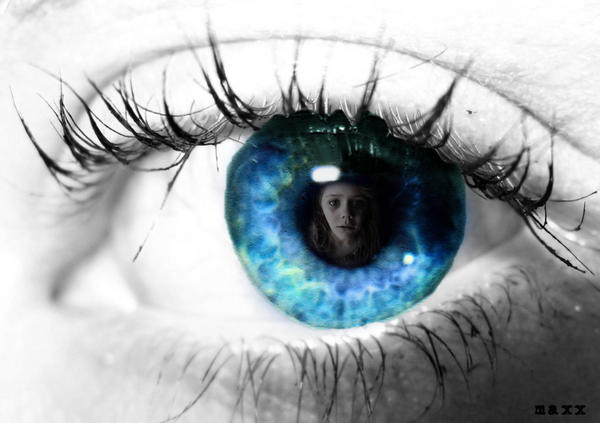


Always treat yourself with kindness, there are very relevant reasons why you behave and think in the way that you do. Give your Inner Child a voice and start getting to know this part of yourself. You may be surprised at just how beautiful and special you are inside! 

Much Love
XX Paula


Saturday, 6 June 2015

The different faces of 'Disgust' and how to regulate this emotion

Please check out my video's on my Youtube channel or like my Facebook Page for parenting support and information XX 

There is more to Disgust than meets the eye!


I have recently explored the emotion 'disgust' in a much deeper way as I have realised this was an under regulated emotion for me in my childhood. We all have a pretty good idea of the general understanding of this emotion and will often use the phrase 'I feel disgusted' in many different contexts.

How many of us actually spare a thought for this emotion and what it means to us though? I know I have seldom spent much time reflecting on my own experiences of disgust. I spend a lot more time working on my fear and shame and even anger and pain. Disgust seems like a natural reaction to sickening things. Most people are aware of the feeling of disgust when coming into things like vomit, faeces, rotting food or flesh, symptoms of illnesses (boils, rashes, mucous etc.), pungent smells, weird textures and so forth. The benefit of disgust is actually to alert us to what may make us ill or harm us should we come into contact with it and is therefore a very valuable emotion we have for our inbuilt protection. It informs us very clearly what we should stay away from and all humans are equipped with this emotion (it is one of our core emotions). In fact I have read an interesting tit bit that has identified the 'scrunched up' face commonly associated with disgust is an innate reaction and not learned. It was previously believed babies learn this face from people who pull it when changing their smelly nappies. They have since found that people who have been blind since birth and who have never 'seen' this face will still pull it instinctively when smelling or feeling something 'disgusting'.
An example of a'scrunched up' face of disgust


I am, however, learning how much more complex this emotion is and wanted to share some thoughts around this with you all, particularly if you are parenting young children and teaching them about emotions.

Disgust is linked to our morality.

This is something you'll often read if you do a Google search on this emotion. What does it mean exactly, and more importantly, how do we regulate this emotion? Think about it, we often feel disgusted when hearing about certain social injustices such as rape, murder, torture, animal abuse, child abuse etc. It can make us feel sick to our stomachs. That is the physical reaction the emotion disgust often gives us. These social injustices feel pretty common and disgust seems to be a 'natural' reaction right? What about cultural 'injustices' or practices? I put 'injustices' in inverted comma's because these will be determined by our own individual beliefs. For some people the idea of homosexuality is considered 'disgusting'. Perhaps certain races provoke a feeling of disgust. We can feel disgust with certain diets and foods people choose to eat. We can find certain body shapes disgusting. You get the idea. Perhaps you feel disgusted when people hold the beliefs I have described above. 


The truth is that these forms of disgust are very much a product of learning, beliefs, culture and experiences. This is not an innate sense of disgust that you are born with like the reaction you would have to smelling faeces. When disgust is linked to our morality and sense of being 'sickened' at the thought of something, it can associate with other powerful emotions such as anger and fear. There is research showing links to the emotion disgust and Anxiety due to this association with fear.

What is the impact of disgust if not regulated?

The bottom line is that we will all have levels of disgust that influence our tolerance levels and behaviour. This is pretty much unavoidable because we are social beings and we are always learning from our environments and the people around us. We all come from many cultures. We come from a family culture, a social culture, an age group culture and many other cultures that we choose to associate with depending on our interests. We have many roles, we have one or more ethnicities, we have a sex and choose our gender, we join teams, choose professions and jobs and we make friends and identify with different groups.

When we choose something we are saying no to something else. This is life and life is full to the brim of decisions. So where does disgust fit in? What makes us feel such a powerful reaction to something where other people may not have the same reaction? We need to question this because at the end of the day the very things we feel are right or wrong are perceptions based on our beliefs and experiences. These all stem from our cultural upbringing. If we are taught that difference is something to be feared (many of us are taught this indirectly) then we perceive that difference to be harmful. If disgust is an inbuilt protection against something that could harm us if we come into contact with it...it makes sense that these acts of immorality will cause us a reaction of disgust. If this is a bit confusing I apologise. To sum it up, in order to regulate or manage the feeling of disgust, we need to remove the fear of difference. We don't, however, want to remove our empathy. There is nothing wrong with feeling disgust when learning of someone being harmed. In fact that is appropriate for the most part. We need to ask ourselves the question honestly 'Is this situation harmful to me or other people'? If we are living with disgust at the thought of people of the same sex finding love, we need to ask ourselves 'Why do I perceive this as harmful'? This will begin the process of unravelling our own beliefs and limitations.

              *Disgust and Fear both protect us from potential harm.

 * If we are taught that something is harmful based on a ‘fear’ we can feel ‘disgusted when we  come into contact with it.

 * If we are taught to fear differences instead of accepting them, they 'become' potentially harmful  to us and we react to this.


How do we teach our children about disgust?


When we hold a belief tightly out of fear to the point where an alternate belief causes us to feel disgust, we set ourselves up for a shame bomb (as I call them). What happens if you try something that you previously found disgusting and realise you like it? When this emotion is not regulated it can set you up to feel shame for liking that previously disgusting thing. Take the example of 'French kissing'. As a young child you may have found the idea of sticking your tongue in someone's mouth disgusting. Lo and Behold, try it and you realise it's pretty nice. If you are not used to this emotion and don't understand difference, changing opinions and trying out new things with an open mind you may think 'If I like this disgusting thing, I must be disgusting' (shame makes people feel as if there is something fundamentally wrong with them). This is how shame works and children are very prone to this way of thinking.

To regulate or manage the emotion disgust the lessons to be taught involve 2 areas. The first area is around the innate disgust where you will attend to this emotion, name the emotion and validate your child when they correctly identify a substance, sight, texture or smell that is something to be avoided. Praise them for this and encourage them to trust their gut. This will keep them safe. It is important to remember that this emotion only starts to really form after about 2 years old so you will need to monitor them and stop them putting things in their mouths (many kids like to eat pooh etc,).

In regards to moral disgust which is centred around social justice and the sense of right and wrong, the lesson is around empathy and being able to see things from other people's perspectives. As I've said, we all come from a number of cultures and share different beliefs. It is impossible to avoid socialising your child into certain cultures or influencing their beliefs. You will also need to teach them about safety and what is lawful and what behaviours are harmful. It is very tricky to navigate. The best way is to work on teaching children about compassion for other people, teaching children about tolerance and helping children to understand that 'people are all different and just because they are different does not mean they are wrong'.

Children learn from you, watch what you are saying:

To end off I wanted to highlight that children model their beliefs on yours for the most part. You have the most influence over how your child views the world. This is why it is so important to keep conversations with children at an age appropriate level. If you talk about things that are beyond their comprehension, they will have limited understanding and make assumptions. You may make a small comment about someone's race and the child may form a prejudice against the entire race group as they trust you and your view points. You may rant about 'women drivers' and will be directly passing that same belief onto your child. Children are like sponges, be mindful of what you say around them. Teach children how to care about others and nurture their openness to question and learn. Teach them about difference so that they do not fear it. This is how you regulate this form of disgust.

I hope that's been helpful
Take care
XX Paula
Teach your kids to tolerate and accept differences :)


Tuesday, 2 June 2015

A easier way to understand 'Childhood Development', 'Emotional Regulation' and 'Attachment' in Parenting

Please check out my video's on my Youtube channel or like my Facebook Page for parenting support and information XX


No child is born 'evil' or 'bad'. Despite many people out their believing otherwise, the very tough home truth is that children are a product of learning or circumstance. This is something I believe with my whole heart and if no other message goes through, let it be this one! If you were told something awful like that as a child...it is not true. Simple. What isn't simple, however, is understanding why children develop behavioural problems, or behave in ways that are associated with our idea's of 'bad'. I thought the best way to go about this would be to explain some of those fancy phrases or terms such as 'attachment', 'emotional regulation' and 'development' in a way that is easy to comprehend and apply to your own lives.

DEVELOPMENT

I will start with development as most people know about this to some degree - if for no other reason but because we have all progressed through early development ourselves and continue to develop throughout our lives. When development is mentioned in relation to children, it is about how a child is growing, learning and reaching milestones specific to a rough age group. Theorists such as Freud and Erikson (the 2 that spring to mind the most for me) and many others have attempted to create comprehensive 'stages of development'. I wont go into what their theories are in this forum but I will discuss this concept of developmental stages a bit as it can become a great source of stress for parents, particularly if your child is said to be 'delayed' or 'immature' for their age.

There are many theories but none of them are absolute and rigid. These milestones are meant to act as a guide. Children should start to teethe, walk, talk, make associations etc around certain ages. Some children advance in some areas and take longer to develop in others. This is normal. Your child is unique and special and should be assessed as an individual, the same as adults. Some areas require more effort and support than others on the part of parents and educators. Children are often put through assessments at school in their early years in order to assess for readiness to move up to the next grade or level. Ideally this is done in order to support the child, not to criticise and pass judgement. That said, many people do feel judged and finding out your child is behind can be quite confronting for parents. For the most part,delays in development are not an indicator of disability, slowness, lack of intelligence or underlying issues. Often it is about being flexible and understanding that your little nipper is constantly learning and their brains are still developing. Children are each exposed to different stimuli, experiences and learning opportunities and the rate at which this learning takes place is going to differ slightly for each child.

When to be concerned:

With everything, it is always good to consult with a professional if you notice areas of struggle or delay that are worrying or substantially different from other children their age. Keep talking to your Doctor and keep yourself informed about what milestones to expect from what ages so that you are able to align your expectations with your child's capability. When professionals assess a child for abuse, often these developmental stages act as a guide for abnormal behaviour. An example would be a child who is being abused may regress or halt development in certain areas like speech. Teachers should hopefully pay attention when children who are, for example, 3 years old and have not started forming words or sentences yet.

EMOTIONAL REGULATION

This is something that you may actually know about on a basic level. We need to teach children about emotions and appropriate ways of expressing them. This is something most parents do naturally. Emotions are learnt through modelling (children watching you and your emotions) as well as through validation, which is when you reinforce their emotional experiencing by acknowledging their feelings. If you try and hide emotions from children it can actually be more harmful than protective because young children are more in tune with their intuition and senses than with thoughts and reasoning. They will pick up on your emotions and react to them. Being appropriately transparent is a great way to teach your children about different emotions and take away the fear surrounding the more negative emotions such as anger and sadness, I want to stress that you do not need to be transparent about your problems and the reasons you are feeling a certain way, adult problems should not burden children. What you should do, however, is explain that you have an adult problem and it is making you feel sad or angry or frustrated. If you are crying, explain to the child that you are crying because you are feeling sad etc. It is a parents job to familiarise and support children through their emotional experiencing so that they can feel comfortable in their reactions and do not feel guilty or ashamed of 'how they feel'. I find it is easier to teach children about emotions like you would shapes, colours, the alphabet and other common lessons. Associate emotions with colour and ask children to match different emotions to the colours they think represent the emotion. There are many lovely activities to help you with this but the best way is to lead by example.

What happens when a child's emotions are not regulated?

Due to the sheer enormity of child abuse and mental illness, this is an area that is strongly backed up by research although the negative effects of insufficient emotional regulation have been known to many frameworks of psychotherapy and psychology for years. Within child abuse literature and laws, neglect has been proven to be just as harmful, if not more harmful in some cases, than physical abuse. The reason is due to this regulation of emotions and attachment (which I will chat about shortly). Neglect is not simply about not playing with your children or not giving your children constant attention. It is about failure to help them develop and learn, failure to build up their strengths, failure to validate them as human beings and failure to normalise their experiences and teach them that feeling emotions is normal and not to be ashamed of. Safety is not only about a physical environment. Children need to feel like they can make mistakes and will still be loved and accepted. They need to be able to have trust in the people caring for them and they need to be able to ask questions and learn how to manage their feelings appropriately so as not to harm themselves or others in any way.
Going back to my initial statement of children not being born bad or evil, this is a prime example. Children do not have the mental capacity and ability to process their feelings and articulate their needs like adults can. That does not mean they do not feel the same emotions, it means they often are unable to understand them. Children who behave in challenging ways are often acting out their emotions due to a lack of a better outlet or guidance. They are attempting to get their needs met. Discipline and structure are important here, not in terms of punishment, but in terms of safety and boundaries. When you punish a child for expressing their emotions inappropriately, it is important to spend some time teaching the child more appropriate and healthy ways to react without shunning the emotion itself. ALL EMOTIONS ARE IMPORTANT and serve a purpose.
If a child has never been taught how to understand their emotions they will struggle in life to various degrees. The child may go on to develop low self-esteem, mental illness such as anxiety, depression and in extreme cases, more serious mental illnesses such as Borderline Personality Disorder. They will most likely struggle to have healthy relationships and may struggle to handle stress in life. As they have not been taught that certain feelings are normal in certain situations, they will have to work all of this out for themselves along the way. This will mean that they will struggle to feel confident in their reactions and may feel out of control and easily overwhelmed. A good example of a child not having their emotions regulated is when the primary caregiver has mental illness, lets say depression, and struggle to feel their own positive emotions such as joy and excitement and thus are unable to model these to their child. The child may race home with a gold star only to be met with a half hearted smile. The child may become confused and mistake this reaction for a mistake in their own feelings 'this gold star is not something to be excited about'. That lesson will be learnt and the child will be left with confusion. Later in life the child may go on to find that they are unable to recognise joy and excitement.

ATTACHMENT


This ties into both development and emotional regulation and stems from 'Bowlby's Theory of Attachment'. It is about the relationships and emotional bonds
that are formed  between people. Children will form an attachment to their primary care giver, usually the mother figure. This is different to other relationships of friendship and romantic attraction/love. It is a deep relationship requiring trust and a sense of belonging where the person creates a bond that is extremely influential to their sense of being in the world. The earliest attachments in childhood are the most important and impact behaviour, self-esteem and self reliance and have a lasting impact throughout the child's life. To have a secure attachment, your child will learn that you love them unconditionally and will be dependable and reliable. Again, many parents do this naturally by meeting the infant's needs, accepting the child's mistakes, spending quality time with the child, creating structure and safety and routine in the child's life, teaching the child continuously, being patient, showing and expressing love and guiding the child through challenges.

When the attachment is not secure: 

This can happen for a number of reasons, namely, it happens when a primary care-giver is not consistent or does not create this bond effectively with the child. Inherently, it happens when the child's needs do not get met (physical, emotional and other). If the child continuously receives mixed messages, they will become confused and will not feel secure. This happens when a parent is abusive and the child is never sure how the parent will react. It can also happen when a child is neglected or left to fend for themselves in some way. It also happens when the child's emotions are not regulated. Not having this security can lead to a range of issues down the track for example they may be unable to form healthy relationships, either becoming too dependent or too avoidant, unable to feel secure in a range of areas within their life. Thus this impacts self-esteem and confidence. Some people may go on to suffer from various forms of mental illness, similar to a lack of emotional regulation.

Some final words:

As a parent it is your job to teach your child how to believe in their own ability and experiencing. It is important to take care of yourself so that you may take care of your child. The best way to teach a child is to lead by example. I hope this has not created fear in new parents, it is not meant to frighten and scare, rather to inform. Love your children, treat children like children and don't expect children to deal with adult issues. Children learn best through play and through modelling so remember, live by example and do not use your children to meet your needs, it should be the other way around. There are no rule books and formula's, you will mess up more than once and that's ok. It is how you handle the mistakes that count in the end. Dr Phil always says 'it takes a hundred atta boy's to make up for one criticism. Never call your child names like stupid, useless, bad, hopeless etc, they will believe you and take this on board. Always punish the behaviour not the person. Your behaviour is naughty not you are naughty. Take time to explain why you are angry or upset with them, let's get rid of the 'because I said so' and replace it with a solid response 'mummy wants to keep you safe and so the answer is no'. Encourage questioning and exploration and encourage tolerance and love!

Those are my thoughts and I encourage you all to keep learning about this and find ways that work for you and your family.

XXX
Paula


Monday, 1 June 2015

How to help children through divorce and separation

Please check out my video's on my Youtube channel or like my Facebook Page for parenting support and information XX


This is a very controversial topic for a number of reasons. For the sake of this Blog, I am going to keep this very focussed on the children of divorce and not on the couple involved. 

The reality is unavoidable: Divorce statistics are high. 


More and more families are experiencing separation and change and this can be difficult for everyone involved. Parents of children struggle to make the decision to leave in many cases, due to societies habit of placing the fear of death and doom on parents in regards to their children's welfare. Today I am going to attempt to dispel some myths and give you the knowledge so that you are able to make the very best decision for yourselves. I am by no means advocating divorce, my opinions on the matter are irrelevant for this topic. My goal is to help you help the children of divorce.

Children are resilient: 


Let me start by saying that children are resilient. They are able to heal from just about any trauma if supported correctly. It is good to remember that children do not get born with preconceived notions of marriage and relationships. They will adapt to the environments they are placed in with the help of their attachment figures or primary caregivers (usually their parents).

The 'damage' people describe is not actually from the divorce and actual act of separating despite popular belief. What damages the child is the lack of stability that is often created when parents go through difficult splits. Staying together whilst unhappy can be just as harmful for the child, if not worse. Fighting in front of children is a well known 'no-no'. Fighting behind closed doors and displaying passive aggression is just as bad. Children can sense the discord. They can pick up all the emotions between you and your spouse. They will become confused and feel frightened of their feelings of fear as they are unable to understand them or articulate them (complex adult relationships are beyond their comprehension).
Most people know that children often blame themselves. The reason for this is that they have not developed the brain functioning (cognitive ability) to separate their experiences from yours. To understand the concept of 'other people's emotions'. When they sense anger and tension, they will FEEL it is directed towards them. When they sense pain, they will FEEL the pain somehow involves them. You get the point.

The emotion children experience is FEAR:


The main emotion children experiencing during this time is FEAR. When the decision is made for the relationship to end and one parent leaves the home, the child will seldom resent the parent for leaving, even though they miss that parent and will feel some loss. When anger and resentment are felt, these emotions are usually modelled from the remaining parent and thus that parent has indirectly taught the child that the emotions they are experiencing are anger or resentment. What they will likely be experiencing instead will be a sense of abandonment and fear that the remaining parent may do the same thing and leave them all alone. That is why children start to act out and push boundaries. They will often find ways to create a sense of safety and if unguided by you, this can take the form of being clingy, possessive, jealous and angry (to name a few). Their homes and belongings become unsafe as they feel they may lose them too, thus issues with sharing or letting go of things may arise. NB this is really about fear of losing you. Punishment is not the answer here, reassurance is. You need to consistently reassure children, both parents, that your child is loved and will not be abandoned.

So what causes the damage?


The very WORST thing you can do, and I mean this, is talk badly of their other parent to the child. This is actually quite neglectful of the child's needs because they love their other parent, no matter what that parent may have done. Children will love their parents through all manner of atrocities, this is the human condition and not one to be tampered with. Trying to keep your child away from their other parent is harmful to the child. The reason bad mouthing the other parent or preventing them from seeing the child for long periods of time is damaging is because the child will blame themselves. They will be confused and this creates shame. They love their other parent and want to see them but you are telling them that this parent is bad, that they don't care, that they are selfish etc. This indirectly tells the child that what they feel is wrong because they value what you say and they don't yet trust their own feelings. This creates shame. Shame effects self-esteem and stability. Again, reassurance is vital here and explaining to the child that this is not their fault and that they are loved is extremely important. If you can find a way to put your needs aside and focus on co-parenting, the child will not only heal from this change, but thrive in the same way they would if you stayed together.

It is very tempting to play the 'right fight' game during a relationship break-up. We all do it. Love brings out the best and the worst in us. A broken heart can turn people into very different people. One thing I often see is the need to scramble to get people on side. The wounded party in particular will often want to hurt the other person to show them how much they have been hurt. If they are not feeling valued, they may try to get 'back up' so to speak. Friends and family become involved and the number one reason for this...the children. Everyone has an opinion but no one has the facts. In an attempt to advocate and speak up for the children, the friends and family can have the opposite effect and create more harm for the child. Any added stress on the parent targeted for being in the 'wrong' will place the child in a more unstable environment as the child will pick up on this stress. Their fears of abandonment may resurface. They will bare the brunt of that parent's unhappiness and shame (disappointment in you from loved ones creates shame). The less people weighing in, the better, for this very reason. It is not helpful for the children of divorce for friends and family to impose and pass judgement or openly take sides. I know this is not always avoidable but if that is the case, own that. Acknowledge your own hurt as a family member and do not hide behind the phrase 'I am so angry at *** because of what he/she has put the children through'. The best way you can be helpful as someone close to the family is to offer your support. Offer to help out with the children while the parents muddle through their pain and heart break and work out a way to co-parent.

Put your children's needs FIRST:


As parents, your role is to put your child's needs first. You can't always control the other parent but you can certainly control your own urges and impulses. You have all the power in how your child copes with this. It is important that you prioritise your child's needs and find a way to work with the child's other parent. If the other parent has left and will not return, you need to help your child understand that this was not due to anything they did and definitely not because of who they are. Explain the other parent's behaviour in a way that does not berate that parent but shows that they have problems that cause them to behave in that way. Remember that the child is a part of their parents and by criticising the other parent, you are making the child question if that is how you feel about them. I strongly suggest getting some professional advice with the intention of best supporting your children if you are struggling to manage your own feelings and pain. Make it a priority to gain as much support for yourself during this time so that you are able to be the best parent you can be. If you are able to do this, rest assured, your child or children will be just fine. The damage comes from reactions to divorce, not divorce itself. As outsiders to the family, no matter what your relationship, you have a responsibility to provide support not judgement. When their are children involved the decision to split is never easy. It seldom comes out of the blue and it is rarely fully understood. We don't know what people are feeling deep down, what reasons they have. Even if we do understand, it is not our place to judge.

To sum it up:


So remember that children need reassurance and the best way to combat damage is to place your own needs aside a little bit and find a way to co-parent. Try to see your ex as the mother or father of your child instead and acknowledge that your child needs both of you. You don't have to like each other but you do need to find a way to respect each other as parents. Children need consistency above all as they will feel out of control and unstable due to their fear.
Tackle that fear first and foremost! Paula XXX


Thursday, 28 May 2015

Tackling MY feelings Before MY Behaviour


Wow, it's been a while since I took finger to keypad and typed out a blog! Where do I begin...

It has been a journey, I'll tell you that. The kind of journey where you thought you had most big things figured out. Then BAM you learn the harsh reality of the term 'false belief system'. I was running blind, swallowed up by my own rules and nonsense. Riddled in defence mechanisms and holding on for dear life to people and things that made me feel some semblance of safe. I mean, where the hell did all this anxiety in the big wide world come from?

LOOKING BACK...


I remember thinking certain things when in my early teens and struggling my way through hormones and heartache. I remember noticing that some days I felt on top of the world and others I felt as if no one liked me and the world was against me. I managed though. I more than managed, I wore the biggest mask around. So big was my mask that even those closest to me had no idea what I really went through. The shame, humiliation, embarrassment, fear, insecurity and anger that stewed inside me and had no healthy outlet. I am a loud, extroverted presence and I was never invisible physically (I made sure of that). Love me or hate me, you notice me. This mask bit me in the ass because people were so busy seeing the loud, falsely confident Paula, they had no idea that a scared, insecure little girl was crying out for help.

This damn defence mechanism got misread to my disadvantage again and again. I was seen as a bully because I was always the spokesperson for the group, or I was acting out. To me it was a get them or they will get me thing. I was seen as strong. I was seen as someone who didn't feel very much. I was seen as happy and cheerful. I was seen as whatever mask I chose to wear really. Most teenagers go through this in some way, it's a time when difference is feared more than anything else. It got so bad that I didn't know any other way to be.I desperately wanted to be liked, desperately wanted to be helped and blocked the very things I needed with my behaviour.  I became a people pleaser. I suppressed my needs and found it easier to do the things my friends enjoyed. This got out of hand too and I found myself in crowds I didn't fit into, at places I couldn't afford, wearing clothes I had had to borrow. I gave in to peer pressure and had so much freedom and zero structure. I got drunk, walked the streets at night, smoked cigarettes, hooked up with boys, got into verbal fights etc. During the day I captained the tennis team, sang in choir, visited my grandparents, turned pages for my piano teacher at charity concerts, spent time with friends, worked hard in school etc. I changed like the tides, trying to find myself, trying to fit in, trying to be accepted and feel loved. My shame was growing. Shame in myself, in my mum and her lack of control in the situation (I have learnt that she did it really tough and there were so many reasons for this). The real shame though, is the shame I turned inward. The shame I had in myself. To be honest this is still a work in progress.

I WAS NEVER A STRANGER TO EMOTIONS...


I am highly empathic and understand emotional experiencing better than I do any other sense or system. I am able to read shifts in people, the mood and atmosphere, people's deeper pain. Other people have always been easy, what I could never master was my own emotional experiencing. I felt like my control over my emotions was paper thin and the hard ones were deeper than I could conceive. As I delved into psychology and counselling I developed a name for this part of myself that held all my deeper emotions and pain. I called this my vault or squishy middle. I spent a lot of energy and time fearing this unknown entity inside me. So much went into the vault that I lost sight of what had gone in there. It became overwhelming. But I ploughed on.

I ploughed through incredible adversity, grief and trauma. I have always recognized my teenage years as difficult. My mother struggled and I became more of a parent then a child. I had no idea what my mother was growing through, I had no words, no support and no one to talk to. I was programmed to hide things from my grandmother and the world. I think my mum always wanted my Granny to be proud of her. My lovely Granny loved us more then anything but love was not expressed verbally. She was very critical but meant it in love. Needless to say I kept my mums secret, it became my secret, we were drowning. Financial, physical, emotional...you name it, we were in strife. I started to resent my mum and rebel in a way. At the time I would never have seen it as rebellion. Awful part of my rebellion, I was always guilt ridden and overly sensitive to my mum's feelings. I could never bare to hurt her, or worry her. I confessed almost all sins. I soon learnt that I was unguided. I was so convincing that I was in control that my own mother did not see how out of my depth I was. How much I needed her to take over and let me be a child. This way of life may have been what saved me in years to come...or the very thing that undid me.

On 3 December, 2002, I went off to celebrate the end of the school year with an old friend. I said my goodbyes to my mother and said our usual 'I love you'. That was the last time I saw my mum. That night some adolescent boys broke in and gagged her too tightly. They never meant to kill her, only to rob us blind. They came through my bedroom window. It was a blur. I learnt this from my friend the next morning, her mum got a call. My whole world stopped turning. It was like a dream, a horrible,sick dream. No one seemed to be able to comprehend my level of loss. On the second or third night after she died I was still staying at my friend's house (I wasn't ready to face my Gran's pain). I was crying in the middle of the night once again. Every time I shut my eyes I saw my mum's face and my heart broke again. I was terrified. I had no idea what would happen to me,where I belonged, where I wanted to be outside of my own home. I had all this emotion and no where to put it. My tears were gut wrenching, my soul was shattered. It was as if someone had severed off a limb. My friend, who had her own grief, cracked under the pressure and blurted out a conversation she and her mother had planned to have with me the following day. At midnight she told me that she thought I needed to find somewhere else to stay, it was too much for her. My pain was too much for her.

I didn't think I could sink any lower. I was wrong. I learnt some very hard lessons that night. I learnt that I had been 'right', people wont want to be around you if you are yourself. Even if you lose your mother, people will not cut you slack, allow you to sob, allow you to grieve. If only I had known then what I know now. These childhood masks, defences, they keep coming back to bite you. Long after they have been rendered useless. People cant be there for you because they don't know how to be there for themselves. So many of us are running blind.

I PUT A LOT OF EMPHASIS ON MY GRIEF...


I thought it was the reason for pretty much most of my problems. My anxiety namely. I was well known for being stressed. I suffered from bad back pain my whole life which was never diagnosed or treated adequately. I was used to chronic pain and tension (I still am). My energy levels are often a struggle. I couldn't tell where my back began and the anxiety ended. As the years went on my struggles with anxiety, esp the physical tension side of anxiety increased. It started to effect my work. Working with children became my thing but it kept bringing up memories and emotions I had no idea how to process. I moved to Australia and studied Masters in Counselling. This level of training forces you to unpack yourself quite heavily and confront how you tick. I confronted the edge of my inner vault time and time again. After uni I started to work with families. My clients had an array of issues with high levels of risk and trauma. Slowly but surely I became more and more impacted. It was becoming clear, families and child abuse were more than upsetting to me, this was traumatic for me and triggering a trauma I had no idea I had. I burnt out.

IT DIDN'T MAKE SENSE...


The theories didn't fit me. My mum and I were so close. She never ever forgot to tell me she loved me. She would have taken a bullet for me. She did so much for me, encouraged me, watched my tennis games, talked to me about school, always listened. Why, oh why are the signs pointing to neglect? EMOTIONAL NEGLECT!!! It didn't make sense. I started seeing a therapist who was my teacher. I would trust no-one else (I have been through many therapists, I am a tough cookie to counsel). I admire my therapist so much, professionally and personally, and listen when he talks. He identified attachment trauma. I wont go into that here if attachment is a bit foreign (I urge everyone to look it up though). My issues stem from my early childhood - my formative years. My mum, my beautiful childhood, my entire world view...aaahhhh! It was a very very difficult pill to swallow and took many sessions of revisiting this to get my head around it. I finally made peace with it when I allowed myself to start looking back at well known memories. These memories were often the fond ones. That is why I could never see this. My happy memories were still happy, they just held some vital clues to opening my vault. They helped me to finally see the roots of my problems.

CHILDHOOD EMOTIONAL NEGLECT...


It was never what she did to me. What she did to me was nothing but loving. Everything she did was intended to give me love and life lessons. The problems were in what she didn't do. Dr Jonice Webb identifies this as C.E.N - Childhood Emotional Neglect. She feels all abuse has CEN with it but not all CEN accompanies abuse. In fact most families have some degree of this because it is a generational problem. It travels from generation to generation unknown and powerful. We couple this with so many passed down and outdated parenting beliefs and systems and have become so far removed from the reasons why we do things and if they are in line with our intentions.

My mother believed with all her heart that the best way to parent was to give strong discipline like spanking etc in the early years. I remember her telling me that she hit me very early and this is why I am a good girl now. She saw my incessant guilt and obligation that was way beyond what a child my age should have felt as me being special, good and with a good head on my shoulders. I saw it the same way too. I didn't see this as being a problem. I didn't know any other way to be. Hitting me early would have translated to me that I am being punished for trying to communicate my needs. I have had these patterns with people in my life again and again because I gravitate to what I know, mistaking that for what is safe. I have recently discovered that it is not my feelings that are the problem, it is my behaviour. I am so busy trying to be a certain way, to feel in a certain way, I have lost sight of how I actually feel. I have started a new relationship with the real me and have had to confront many demons and unhealthy dynamics in the process. This has been so painful but so necessary.

I REALISED THAT I HAVE A GIFT...


I have a deeper understanding of emotional experience through personality, academia and life experience. I am passionate about parenting and helping children through helping parents. I believe that parents are the very best people to help their children. Trauma, attachment, emotional regulation and strength based work should not be elitist knowledge for the educated and professional. It is not as fancy and complicated as it sounds. It is a way of seeing the world. It is about understanding emotions and how powerful they are. It is about understanding the role parents need to play to tackle these growing societal problems, mental health issues, bullying, youth substance abuse, suicide, crime etc. It is ridiculous that this is something only certain people have access to for various reasons. I want to give this gift out for free. I want to create awareness and empower parents. Break the cycles, end the bad patterns and give people something better and healthier to try. I want the world to 'Tackle the feelings before the Behaviour'. Stop blaming children as if they are not a part of a system. No child is born evil. Some have challenges and disabilities. Some struggle with biological challenges. This does not make them evil. Lets take control back. Have the courage to see your own parents and grandparents as human. Love them through their faults so that you may see them as real and learn how to be real with your own kids.

I hope there is something in my story that is helpful :) I am proposing a parenting approach but I am not a mother. My challenge was always a tricky one. I am not coming from the side of a parent though. I am giving your children a voice because I have built a very strong relationship with and deeper understanding of my own inner child. I am also pretty trained up in this area and am not the type to stop learning. This is me, warts and all. Thank you for reading XXX
I am now helping parents to understand the importance of emotional regulation! Lets work together to prevent C.E.N.