|
| Please check out my video's on my Youtube channel or like my Facebook Page for parenting support and information XX |
What is burn out?
Most of us know this term and have a basic understanding of the impact 'burning out' from work can have. I want to create some awareness today based on my own experiences of this predicament. I also want to highlight that burn out can occur in any situation, not just at work. You don't need to be a therapist or paramedic to experience it. You don't even need to be doing anything society would deem as high risk work. Burn out is more about you than your environment.
Burn out occurs when you become triggered and overwhelmed consistently. I believe it creeps in gradually and grows as you continue to brush aside the warning signs. The less support you receive, the worse it becomes. The more toxic your environment, the worse it seems to impact you.
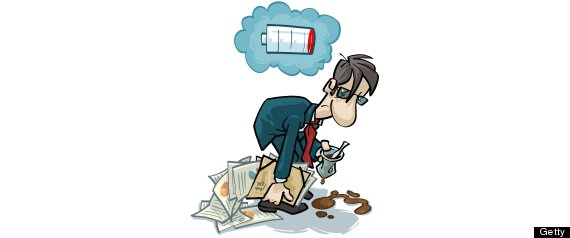
Imagine a Pressure Cooker:
The way I would describe it would be to imagine a pressure cooker. All the ingredients inside the cooker are representative of your responsibilities and stress. They are all added as separate ingredients. You start off with control, cutting, peeling, preparing, tasting, seasoning and adding as you go along. You have an idea of what you would like this stew to turn into. You have an idea of what you like, what you don't like and take other stews you have made before into account. You also aspire to create a stew you have experienced someone else make before. You may even be following a recipe. Similarly to your life stresses, responsibilities and experiences, you can identify each part and it feels manageable as you add it into the pot of your life. You make an educated guess as to how much you can fit into the pot and you keep adding, keep adding, until you have cram packed as much as you can into the pot. You attempt to give it a stir to blend it but feel satisfied that if you leave it simmering, it will reduce and become cohesive. You secure on a lid and leave it simmering below the surface.
This is a metaphor for what so many of us do with all the little stresses, problems, emotions and pressures in our own lives. We are all so busy and the world expects us to put one foot in front of the other at a growing pace. I hear the saying 'I can't afford to dwell on this' over and over again. We take on board so much information. We repress emotion after emotion. We get angry but hold it in. We 'can't afford to' get angry with our manager/boss/colleague. We feel tired but we 'can't afford to' rest, the kids need feeding, I have to do the shopping, I'm running out of clean underwear, my friends want to see me, I am behind at work... The list goes on. We push down our resentments, our hurt feelings, our fears, our irritations, our jealousy, our annoyance, our grief, our pride. We ignore our gut feelings and opt for things that we think we 'should' be doing. We criticise ourselves when we don't meet our own expectations or those of other people. We berate ourselves for how we look, mistakes we make and just about anything that we feel is 'not good enough. These are all ingredients we unknowingly add to the pressure cooker.
The steam starts to whistle:
The pressure is on, the lid is sealed and the heat starts rising. The pot is like our bodies and the lid is like the walls we put up to lock all our internal pressure inside us. It starts to feel explosive. The pot starts to feel too small, too constricting. The biggest indicator of burn out is a feeling of pressure. This pressure becomes harder and harder to bare. Steam is released violently through the tiniest hole and keeps the pot from exploding.
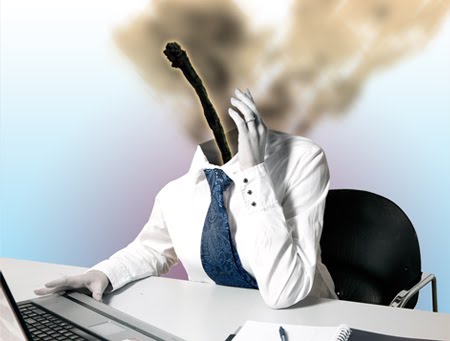
When we are starting to burn out, we also release small amounts of pressure each time we reach exploding point. This can come out in many different ways. We may snap at our loved ones, scream at the TV, burst into tears over the smallest thing or throw something against the wall. We may find we feel certain emotions at the drop of a hat and feel really sensitive, taking so much personally. We may start finding tasks that once seemed easy have started to feel like a hike up Everest. We may start losing interest in things we once considered fun and don't feel much like socialising. We may feel drained and fatigued, even at the thought of doing things.We may struggle to sleep at night or find ourselves restless and waking up regularly. The pressure feels so overwhelming, the best way I can describe it is a 'feeling of wanting to run away, avoid it or escape in some way'. People who aren't able to literally run away may find escape in substances and addictions. It is ALL consuming, this pressure sits with you day and night.
Why does it get so bad?
This is easy to answer but not so easy to do. We are scared to take the lid off the pressure cooker. We fear an internal explosion as much as we fear the rush of burning steam in our face if we take the lid off when it feels this way. It feels like a lose lose situation. You want relief but you don't feel the release will be a relief. You feel trapped, desperately clinging to keep the lid on. The best way to keep the lid on but reduce the pressure...stop adding anything more in. You seem to come to this conclusion unconsciously while you consciously beat yourself up for not being able to handle the pressure. Your body, mind and emotional experiences SLOW DOWN. You are simply unable to cope with too many tasks. Many people have no choice but to stop working altogether. This is not a choice, it is a necessity. Your body and mind go into a state of survival. Your physical and mental presentation forces you into respite whether you like it or not. Your emotions are in control, emotions you don't understand and feel at the mercy of.
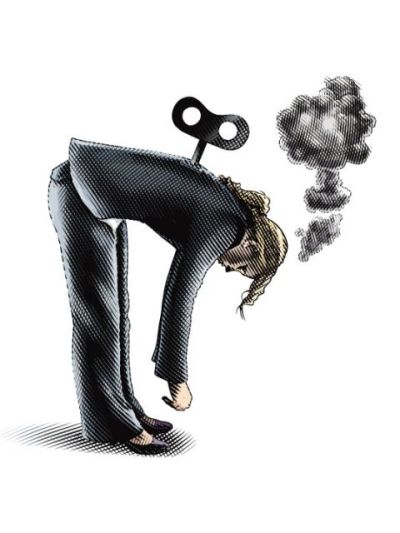
Survival = Fear
When you look more deeply at this survival reaction and state of being, you can see the core emotion 'fear' at the heart of it. Overwhelm, worry, stress, anxiety, jealousy, pressure, insecurity etc, are all associated emotions of fear. The heart of burn out must therefore have a base line of fear. The one associated emotion I didn't mention, that is not as obvious, is safety. Emotional safety. When I said burn out is more about you than your environment, that is what I meant. It is about safety. People who have had fear regulated in childhood will cope better with external stress. Whether it means resigning from a toxic job, asking for help, standing up for yourself, or taking care of yourself better, those people who have a healthy relationship with the emotional experience of fear will open that pressure cooker lid and release the steam and pressure. They will find a way to lower the heat. They will be able to find a way to see the situation as separate from who they fundamentally are. The only thing standing between you and the release is a fear of fear itself. Go figure!
Put your needs first, always!
Burn out happens when you can no longer hold in all the pressure. It takes so long to recuperate from because you are dealing with layers of trauma, past and present. The more you stay in a place of external blame (as a victim), the longer it will take. The more you ignore your reactions to the pressure and continue to plough ahead anyway, the more of an impact it will have on you. To identify your needs you have to get real with yourself. You have to ask yourself some difficult questions. You need to be willing to feel the burn of the steam. You need to find a way to trust your own inner resources to cope with your own difficult emotions. You are stronger than you may think. The fact that you think you will crumble is a lie you have told yourself because no-one has told you otherwise in your childhood. Fear is not your enemy. No emotion is harmful.
Stop the stigma, Burn out is MASSIVE!
Burn out affects you on just about all levels. Not just in your body, mind and emotions but it gets into your relationships, your ability to function, your health, your self perception, your parenting, your focus and your dreams. It is a serious condition and is minimised in many work situations and circles. People who have not experienced it do not understand how bad it can get. It almost wears a label of 'weakness'. I believe this occurs in the same way triggers do. It is seen as an overreaction and this is seen in a negative way. People are judged because of their inability to cope with otherwise 'easy' or manageable tasks. This further compounds the problem.
When I experienced burn out, I was working at an organisation that understood the risk of burn out on paper. As an individual, however, I was treated as the problem. I was making mistakes and failing to keep up with tasks I would normally be able to do. I was not met with support. I was met with criticism. At one point I was being called into my manager's office once or twice a week to be reprimanded. I would have walked out and run a mile if it hadn't been for my client's. I didn't listen to my gut and pushed through extreme levels of anxiety in order to complete tasks and close my cases (I worked right up until the end of my contract). That is probably why people in my industry or any industry that works with vulnerable people experience higher levels of burn out. We find it hard to walk away or put our own needs first.

Looking back:
Looking back, I needed to leave and heal my own trauma. I was being triggered every single day. I was unable to process what was going on for me and was using all my energy on my clients and the families I was supporting. I was becoming a shell of myself. I was extremely angry, especially when I was being criticised for something I was unable to help. I was angry at the lack of support, compassion and understanding I received. I was, and needed to be for a time, seeing myself as a victim.
As I healed, I learn't a lot about my own responsibilities. I realised I was cut off from myself. I placed the job ahead of my health. I didn't look after myself enough and I judged myself more than anyone was judging me. I had fast become my own abuser. It took me a long time to heal and I have made a number of changes because of this. I no longer see this as a bad experience, rather I see it as a very powerful learning experience. I will never allow myself to reach this point of burn out again and you guys don't have to either. Put your needs first, always! Life is too short to put yourself at risk in this way. The earlier you recognize the signs, the more time you have to get yourself out safely and with minimal impact.
Take Care,
Paula XX